Louisiana Higher Education Confronts Rising Tide of Fraudulent Student Financial Aid Applications
Kplc
Apr 25, 2026
6 min read
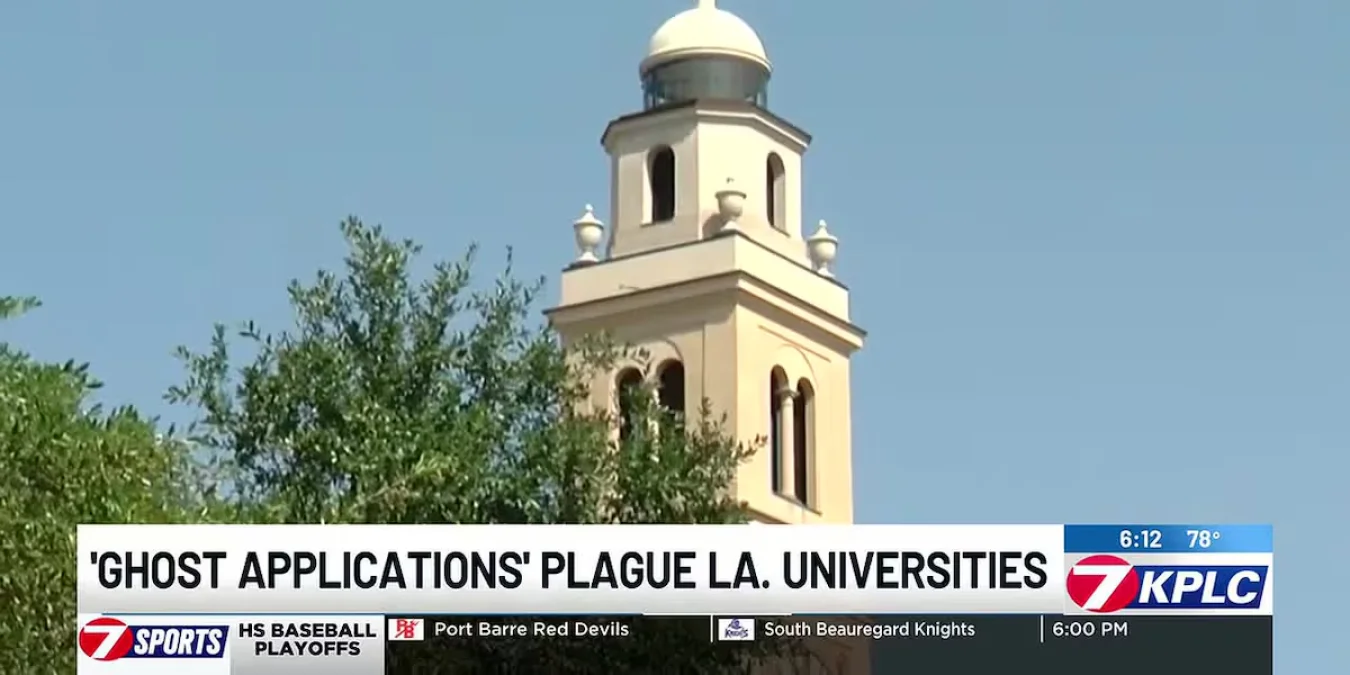
Universities across Louisiana are experiencing a significant uptick in deceptive financial aid applications, often referred to as 'ghost applications.' These fraudulent submissions typically involve perpetrators using the genuine names of high school students, combined with fabricated residential addresses, to attempt to secure federal Pell Grants or student loans. This escalating trend poses a substantial challenge to the integrity of student financial assistance programs, straining institutional resources and potentially compromising the security of personal data. Authorities and educational bodies are now tasked with developing more robust verification mechanisms to safeguard against such sophisticated scams and protect both public funds and prospective students.
Key Facts
-
Affected Region Louisiana
-
Affected Entities Universities, high school students (identity theft victims)
-
Nature of Fraud Submission of 'ghost applications' for student financial aid
-
Fraudulent Method Utilizing real high school student names with fictitious addresses
-
Targeted Aid Programs Federal Pell Grants and student loans
-
Trend Significant increase observed
Impact
The surge in fraudulent financial aid applications places considerable strain on Louisiana's higher education system. University financial aid and admissions departments face an increased administrative burden, requiring more resources and personnel to meticulously vet applications and distinguish legitimate requests from fraudulent ones. This diversion of resources can slow down the processing for genuine students, potentially delaying their access to crucial financial support and creating inefficiencies within the academic cycle. Beyond operational challenges, this scam erodes trust in the student financial aid system. High school students whose identities are misused face the risk of future complications with their credit or financial aid eligibility. Furthermore, the integrity of federal grant and loan programs is jeopardized, raising concerns among taxpayers and policymakers about the proper allocation of educational funding. The need for enhanced security measures could inadvertently complicate the application process for all students, potentially creating barriers for those already facing challenges accessing higher education.
Key Insights
-
1
Vulnerability Exploit
Scammers are exploiting potential weaknesses in the initial application verification stages, which may rely on self-reported data before rigorous checks are implemented.
-
2
Identity Theft Focus
The specific targeting of high school students suggests an attempt to capitalize on individuals who may not yet have established extensive digital footprints or credit histories, making their identities potentially easier to co-opt.
-
3
Systemic Pressure
The fraud highlights the ongoing challenge for financial aid systems to balance accessibility for legitimate students with robust safeguards against illicit activities.
-
4
Evolving Threat Landscape
This represents an evolution in financial aid fraud, moving beyond simple errors or opportunistic individual attempts to more organized and systematic schemes.
Opportunities
The rise in 'ghost applications' presents a clear imperative for technological innovation and enhanced service provision within higher education. There is a significant opportunity for companies specializing in artificial intelligence and machine learning to develop sophisticated fraud detection algorithms capable of identifying anomalous patterns in application data, cross-referencing information, and flagging suspicious entries in real-time. This could involve advanced data analytics to detect inconsistencies in addresses, student information, and application submission behavior. Furthermore, this situation creates opportunities for businesses offering identity verification solutions. This could range from biometric authentication technologies for students to secure, blockchain-based credentialing systems that link high school records directly to university applications, minimizing the potential for data falsification. Educational consulting firms could also find opportunities in assisting universities with comprehensive security audits of their application processes and implementing best practices for digital identity management and fraud prevention.
Risks & Challenges
The most immediate risk for Louisiana universities is financial exposure and reputational damage. If fraudulent applications lead to the improper disbursement of federal funds, institutions could face severe penalties, including fines and the loss of eligibility for federal programs. This would not only deplete critical resources but also severely harm the university's standing and public trust, making it harder to attract students and secure funding in the future. Beyond the institutions, the risk extends to high school students and the broader public. Individuals whose identities are stolen could face long-term consequences, including credit issues, difficulties obtaining future loans, or even criminal records if the fraudulent activities escalate. For the public, continued instances of aid fraud undermine confidence in government-funded programs, potentially leading to increased scrutiny, tighter regulations that penalize legitimate applicants, or a reduction in overall funding for student financial assistance.
Source url: https://www.kplctv.com/2026/04/25/louisiana-universities-see-rise-fraudulent-ghost-applications-student-aid/
Related Articles