
California Homebuyers Evade Devastating Down Payment Scam
NewsHub
Apr 12, 2026
1 min read
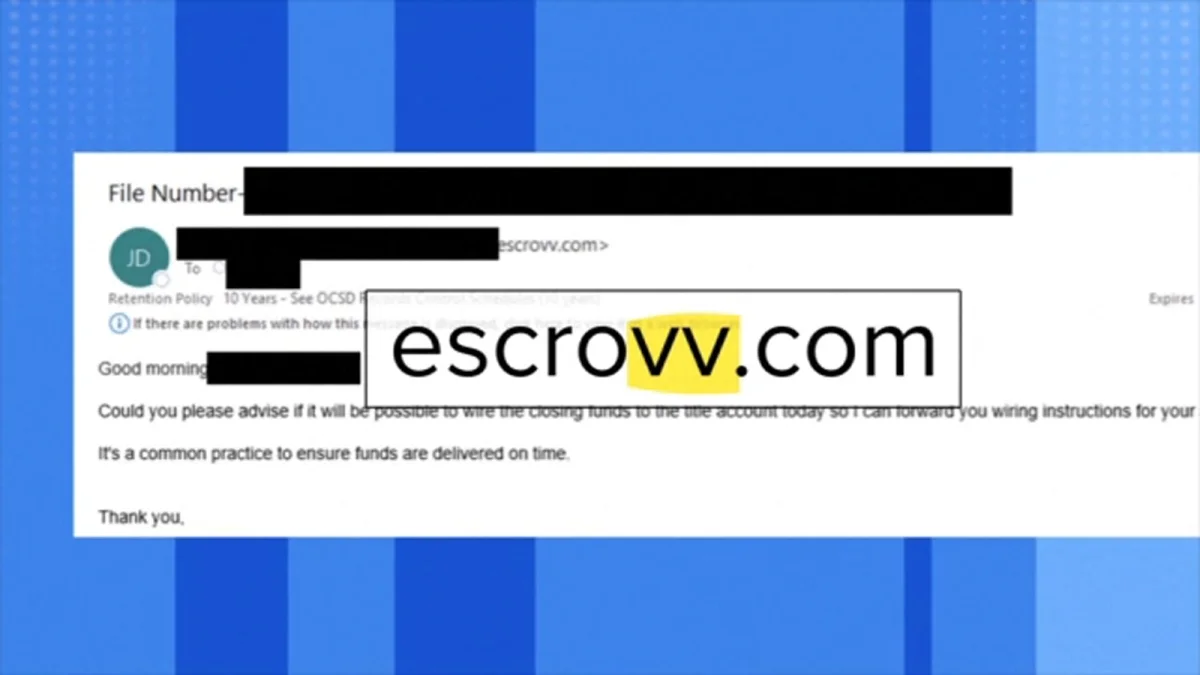
A Southern California couple narrowly avoided losing a substantial sum meant for their home purchase due to a sophisticated mortgage fraud operation. The incident serves as a stark warning to others navigating the complex process of buying property. Their experience highlights vulnerabilities in the current real estate transaction system, prompting a call for increased vigilance among prospective homeowners who could face similar financial ruin.
Key Facts
-
Location Southern California
-
Victims A couple
-
Near Loss Hundreds of thousands of dollars
-
Type of Incident Mortgage fraud scheme
-
Outcome Couple successfully averted financial loss (implied by 'nearly losing')
Impact
This near-loss incident has significant implications for consumer confidence in real estate transactions. It underscores the growing prevalence of digital fraud targeting large financial transfers, particularly in high-stakes purchases like homes. For the affected couple, the emotional toll and disruption to their homeownership plans would have been immense, even with the ultimate avoidance of financial devastation. Beyond the individual victims, such schemes erode trust in the mortgage and real estate industries. Potential buyers may become more hesitant or overly cautious, potentially slowing down market activity. The success of even a single fraudulent transaction can embolden more criminals, creating a ripple effect of fear and uncertainty for others trying to achieve the dream of homeownership.
Key Insights
-
1
Fraud Sophistication
The scheme demonstrates an advanced understanding of real estate transaction processes, likely involving impersonation or manipulation of communication channels.
-
2
Consumer Vulnerability
Prospective homebuyers, often under pressure and less familiar with the intricacies of mortgage processing, are prime targets for these types of scams.
-
3
Digital Security Gaps
The incident points to potential vulnerabilities in the digital communication and verification methods used during real estate closings.
Opportunities
This event presents an opportunity for the real estate and mortgage industries to bolster cybersecurity measures and enhance buyer education. There's a clear need for more robust digital verification protocols, potentially incorporating multi-factor authentication for critical financial instructions. Furthermore, this could spur the development of educational platforms and resources specifically designed to warn and equip homebuyers with knowledge about common fraud tactics and red flags.
Risks & Challenges
The primary risk highlighted is the substantial financial loss that unsuspecting homebuyers can incur. These scams are designed to intercept funds intended for down payments or closing costs, leaving victims without their money and without their intended property. The emotional distress and the lengthy, difficult process of trying to recover stolen funds are also significant consequences. Another critical risk is the potential for these types of scams to become more widespread and sophisticated. As criminals refine their methods, they can exploit increasingly complex digital infrastructures. This could lead to a greater number of victims and a more pervasive sense of insecurity within the housing market, impacting both individuals and the broader economy.
Background
Mortgage fraud, in its various forms, has been an ongoing concern in the financial and real estate sectors. Schemes often involve impersonating lenders, title companies, or real estate agents to trick buyers into wiring funds to fraudulent accounts. These attacks frequently exploit the communication channels used throughout the home buying process, leveraging phishing emails, spoofed websites, or compromised email accounts. The increasing reliance on digital communication and electronic fund transfers in real estate transactions has unfortunately created new avenues for these criminal activities. The pressure and excitement associated with purchasing a home can sometimes lead individuals to overlook security protocols, making them particularly susceptible to well-executed social engineering tactics employed by fraudsters.
Related Articles