
Chinese Scientists Engineer Biological Pacemaker as Potential Heart Rhythm Solution
NewsHub
May 23, 2026
1 min read
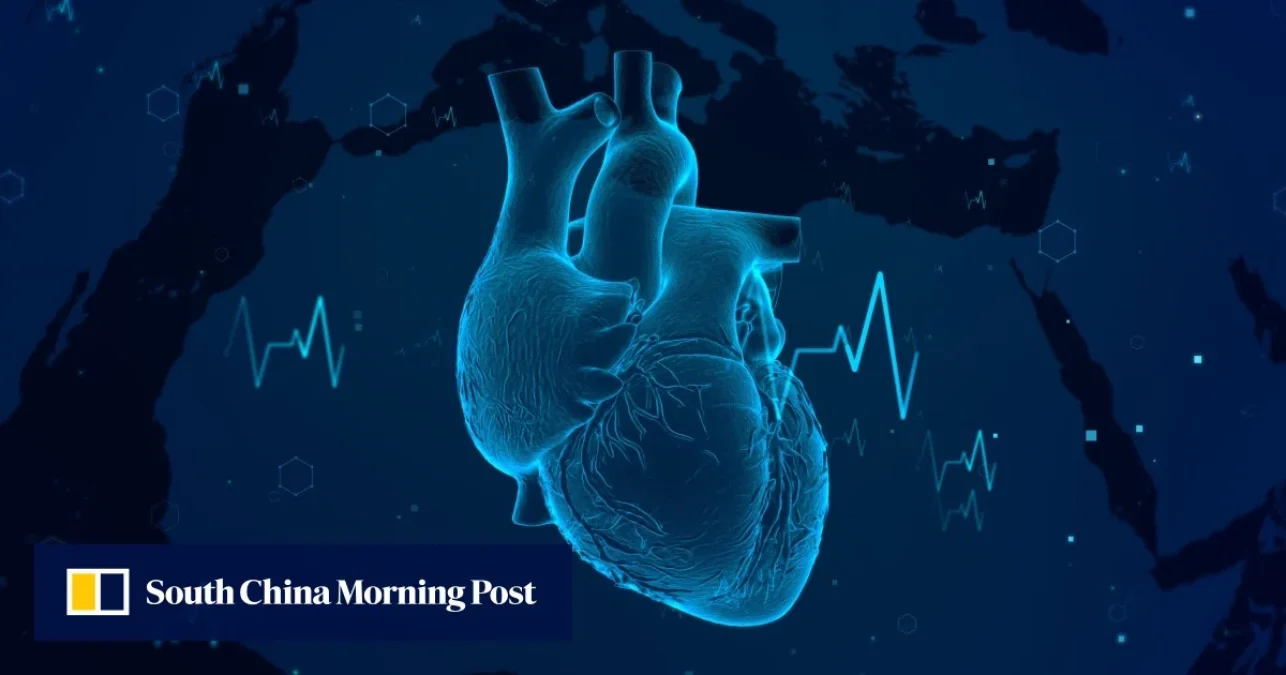
Researchers in Shanghai have reportedly cultivated a biological alternative to conventional electronic pacemakers. This innovative development focuses on creating an intrinsic 'master conductor' within the heart, designed to naturally regulate abnormal cardiac rhythms. The research offers a potentially revolutionary new approach for patients suffering from conditions that currently necessitate implanted devices, aiming to provide a more integrated and organic solution for heart rhythm management. This breakthrough signifies a significant advancement in cardiac bioengineering and regenerative medicine, promising a future where the body's own biology could autonomously manage its electrical impulses without external hardware.
Key Facts
-
Research Location Shanghai, China
-
Research Focus Development of a biological pacemaker
-
Primary Goal To replace or offer an alternative to traditional electronic pacemakers
-
Mechanism Cultivating the heart's natural rhythm-generating cells ('master conductor')
-
Potential Application Management of abnormal heart rhythms (arrhythmias)
Impact
This biological innovation holds profound implications for cardiac patient care, potentially eliminating the need for invasive surgeries associated with electronic pacemaker implantation and their periodic battery replacements. Patients could experience a more natural physiological rhythm control, reducing risks of infection, device malfunction, and improving overall quality of life. The long-term efficacy and safety profile will be critical in determining widespread adoption, but the promise of a self-sustaining, integrated solution is significant. For the medical device industry, this breakthrough signals a potential paradigm shift, urging a reevaluation of current market strategies heavily reliant on electronic hardware. Investment may increasingly pivot towards biotechnological and regenerative approaches for cardiac rhythm management. Furthermore, this research could invigorate the broader field of regenerative medicine, demonstrating the viability of culturing and integrating complex biological systems for therapeutic purposes beyond cardiology.
Key Insights
-
1
Technological Innovation
This represents a significant leap in bioengineering, moving from mechanical intervention to an intrinsic biological solution for cardiac rhythm. It showcases advanced cellular and tissue engineering capabilities.
-
2
Clinical Game Changer
If proven safe and effective in humans, this could fundamentally alter treatment paradigms for bradyarrhythmias, offering a potentially more physiological and less complication-prone alternative to current electronic devices.
-
3
Regulatory Hurdles Ahead
Translating this laboratory success into a widely available clinical treatment will involve rigorous preclinical and clinical trials, facing stringent regulatory scrutiny regarding long-term safety, durability, and efficacy.
-
4
China's Biotech Leadership
The research underscores China's growing prominence in cutting-edge biotechnological research and its ambition to lead in advanced medical innovations.
Opportunities
This breakthrough opens substantial investment and development opportunities in regenerative medicine, specifically within cardiac bioengineering. Companies specializing in cell culture, gene editing, and biocompatible material development could find new markets for their technologies, focusing on optimized delivery systems and long-term integration of biological pacemakers. There's also a significant opportunity for diagnostic and monitoring technologies that can precisely assess the function of these bio-engineered constructs post-implantation. Furthermore, pharmaceutical companies might explore drug discovery avenues to support the growth, integration, or maintenance of these biological pacemakers, while partnerships between academic research institutions and industry will be crucial for accelerating clinical translation and commercialization.
Risks & Challenges
Significant risks include the potential for unintended biological responses such as tumor formation, immune rejection, or the unpredictable long-term stability and functionality of the engineered cells within the complex cardiac environment. There's also the challenge of ensuring the biological pacemaker consistently generates reliable and appropriate electrical impulses throughout a patient's lifetime, without degradation or pathological alterations. The path to clinical application is fraught with challenges, including extremely lengthy and costly clinical trials, potential for failure during human testing, and stringent regulatory hurdles. Ethical considerations surrounding the genetic engineering or manipulation of human cells for therapeutic purposes will also need careful navigation, alongside ensuring equitable access to such advanced and potentially expensive treatments once developed.
Related Articles