
Deadly Russian Hypersonic Strike on Kyiv: Nuclear-Capable Weapon Deployed, Dozens Injured
NewsHub
May 24, 2026
1 min read
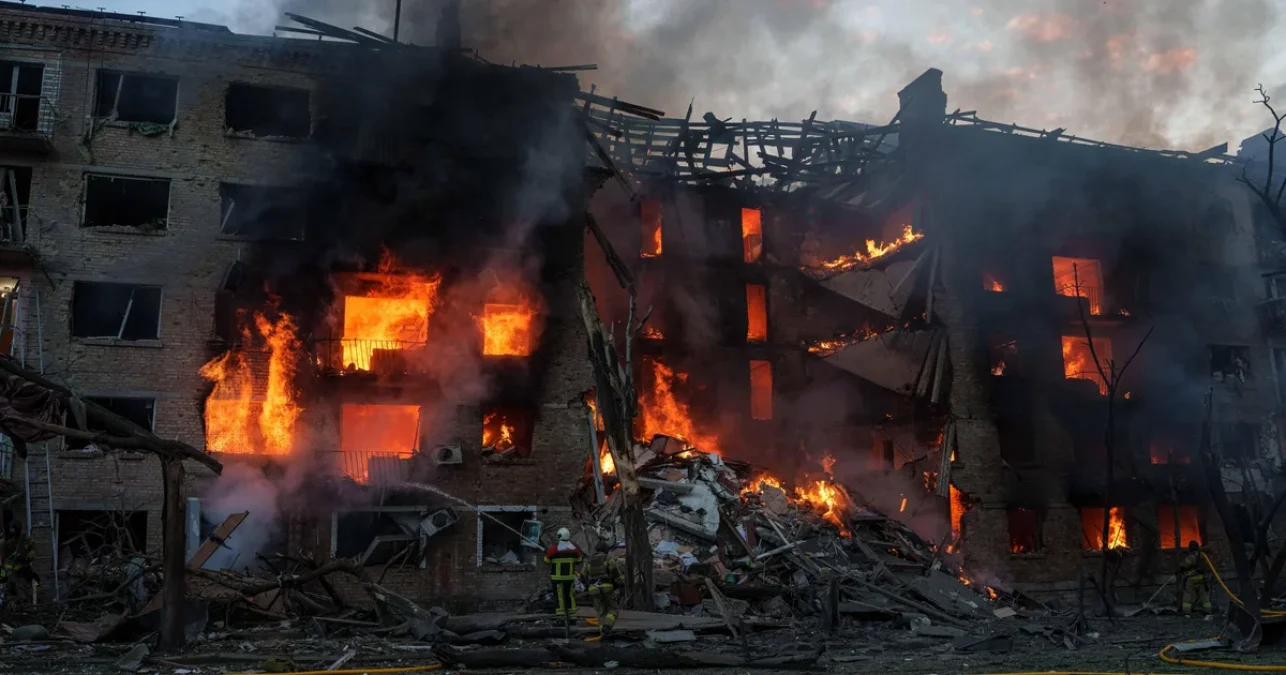
Kyiv was the target of a significant Russian assault on Sunday, which saw the deployment of a formidable hypersonic missile possessing nuclear capabilities. The devastating strike resulted in a confirmed toll of at least two fatalities and left a substantial number of individuals injured, with 83 reported wounded. This incident marks a grave escalation, highlighting the destructive potential of Russia's advanced weaponry and its application in the ongoing conflict.
Key Facts
-
Date of Attack Sunday, May 24, 2026
-
Location Kyiv, Ukraine
-
Weapon Deployed Nuclear-capable hypersonic missile
-
Fatalities At least 2
-
Injuries 83
Impact
The immediate impact of this attack is the tragic loss of civilian lives and the widespread injuries sustained by residents of Kyiv. The scale of the assault and the nature of the weapon employed have undoubtedly instilled widespread fear and panic within the city. Beyond the human cost, the destruction of infrastructure and potential long-term health consequences for those exposed to the strike's effects are significant concerns. This event also intensifies the humanitarian crisis, placing further strain on medical resources and emergency services already stretched by the prolonged conflict. The deployment of a weapon with nuclear capabilities, even if not detonated as such, carries profound implications for international relations and the perception of the conflict's severity. It raises the specter of escalation and could trigger a more robust and potentially unpredictable response from Ukraine's allies. The psychological impact on the Ukrainian population, already enduring years of conflict, is also immense, reinforcing feelings of vulnerability and the existential threat posed by Russia's military actions.
Key Insights
-
1
Escalation of Warfare
The use of a nuclear-capable hypersonic missile signifies a significant escalation in Russia's military tactics, moving beyond conventional weaponry and signaling a willingness to employ more destructive means.
-
2
Technological Arms Race
This event underscores the ongoing arms race in advanced missile technology, particularly hypersonic systems, and the strategic advantage they can confer in modern warfare.
-
3
International Condemnation
The deployment of such a weapon is expected to elicit strong condemnation from the international community, potentially leading to increased diplomatic pressure and further sanctions against Russia.
Opportunities
The heightened focus on advanced missile defense systems in response to such threats could spur significant investment and innovation in the defense technology sector. Countries will likely re-evaluate and bolster their capabilities to detect, track, and intercept hypersonic projectiles. This could create opportunities for companies specializing in radar technology, advanced sensors, and countermeasures. Furthermore, the incident may accelerate research and development into non-kinetic defense solutions and early warning systems, potentially opening new avenues for technological collaboration and market expansion in the security domain.
Risks & Challenges
The primary risk stemming from this attack is the potential for further, even more devastating, escalation. Russia's willingness to deploy a weapon of this nature signals a disregard for existing red lines and could embolden it to use other advanced or even unconventional weapons if it perceives itself to be in a strategically disadvantageous position. This increases the likelihood of miscalculation and unintended consequences, potentially drawing NATO directly into the conflict or triggering retaliatory strikes of unprecedented scale. A secondary, but equally significant, risk is the long-term destabilization of the global security architecture. The normalization of deploying nuclear-capable weaponry, even without a nuclear detonation, erodes international norms and increases the risk of proliferation. It could prompt other nations to reconsider their own nuclear postures and accelerate their development of similar advanced missile systems, leading to a more precarious and dangerous world order for all.
Source url: https://www.cbsnews.com/news/russia-nuclear-capable-missile-massive-attack-ukraine-dead-wounded/
Related Articles