East Coast Memorial Day Weekend Faces Thunderstorm Threat, Disrupting Holiday Activities
NewsHub
May 23, 2026
1 min read
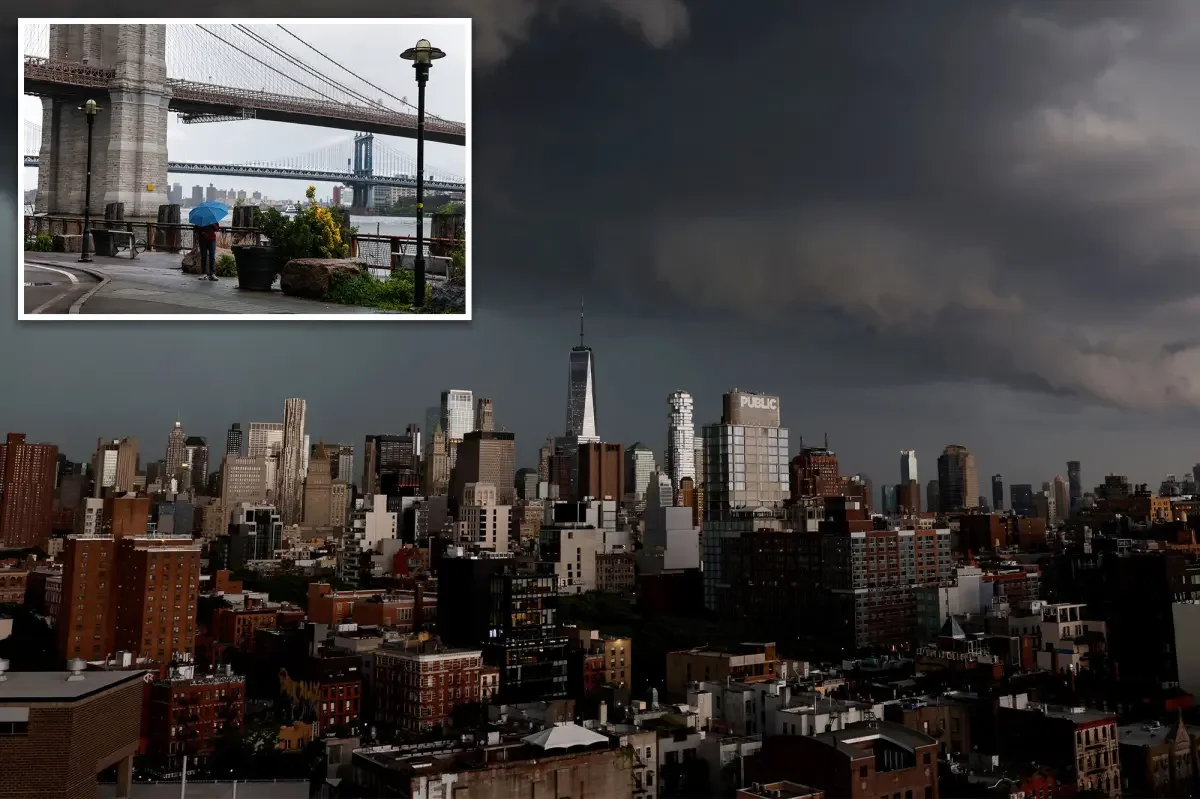
Millions of East Coast residents and visitors are confronting potential disruptions to their Memorial Day weekend plans as meteorologists forecast widespread thunderstorms across the region. This anticipated wet weather could significantly impact outdoor gatherings, travel arrangements, and various holiday events scheduled for the long weekend, which traditionally marks the unofficial start of summer. Individuals are advised to closely monitor updated forecasts and be prepared to adjust their arrangements, as the timing of these inclement conditions poses a considerable challenge for a broad demographic reliant on favorable weather for holiday leisure.
Key Facts
-
Affected Region East Coast, United States
-
Weather Event Thunderstorms and wet conditions
-
Timing Memorial Day Weekend (Late May 2026)
-
Primary Impact Disruption of holiday recreational activities and travel plans
-
Magnitude Millions of individuals potentially impacted
Impact
The forecasted inclement weather poses significant challenges for individuals and businesses across the East Coast. For the public, popular outdoor activities such as beach trips, park visits, barbecues, and various community events are likely to be curtailed or canceled, leading to widespread disappointment. Families with travel plans may encounter delays or cancellations, particularly if storms lead to hazardous road conditions or affect air travel. This directly impacts the leisure and hospitality sectors, which typically see a surge in business over the holiday weekend. Economically, local businesses heavily reliant on tourism and outdoor foot traffic, including restaurants, attractions, and retail outlets, could experience a notable downturn in revenue. The shift from outdoor to indoor activities might reallocate spending but is unlikely to fully compensate for the overall economic loss. Furthermore, safety concerns related to lightning, flash flooding, and reduced visibility on roadways will place additional strain on emergency services and require heightened public awareness and caution.
Key Insights
-
1
Holiday Vulnerability
Major national holidays with fixed dates are inherently vulnerable to weather-related disruptions, highlighting the need for robust contingency planning by event organizers and individuals.
-
2
Economic Sensitivity
The tourism and leisure sectors on the East Coast demonstrate high sensitivity to weather forecasts, where even the threat of inclement conditions can significantly alter consumer behavior and spending patterns.
-
3
Preparedness Imperative
Proactive communication from meteorological services and a culture of flexible planning among the public are critical for mitigating the negative social and economic effects of adverse holiday weather.
Opportunities
The anticipated wet weather for Memorial Day weekend presents unique opportunities for various businesses and tech solutions. Indoor entertainment venues such as cinemas, museums, bowling alleys, and shopping malls can strategically promote special events and extended hours to cater to displaced outdoor activity. Hospitality businesses might offer attractive indoor packages or special dining experiences, while food delivery services and online retailers could see increased demand as people opt for home-based celebrations. From a technological standpoint, there's an opportunity for enhanced demand for real-time, hyper-local weather applications and travel alert systems. Additionally, businesses offering virtual experiences, streaming services, and home entertainment options stand to benefit significantly. This event also underscores the potential for innovation in weather-resilient event planning and outdoor equipment, driving future product development for consumers seeking to mitigate weather dependency.
Risks & Challenges
The primary risks associated with the forecasted thunderstorms revolve around public safety and economic fallout. Severe weather, including heavy rainfall, lightning, and potential flash flooding, can lead to dangerous conditions for both residents and travelers, increasing the likelihood of accidents and straining emergency services. Beyond immediate safety, the widespread cancellation of outdoor events and travel plans can foster significant public frustration and disappointment, potentially impacting community morale and the overall holiday experience. Economically, businesses in the tourism, hospitality, and recreation sectors face substantial financial losses from reduced customer traffic and potential refunds for canceled bookings. This revenue hit, particularly for small businesses, could have lingering effects. There's also a risk of minor supply chain disruptions if transportation routes are heavily impacted, affecting the delivery of last-minute goods required for holiday preparations. The aggregated impact could briefly dampen regional economic indicators for the typically robust holiday period.
Background
Memorial Day, observed on the last Monday of May, serves as a significant federal holiday in the United States, honoring military personnel who died in service. It has also evolved into the unofficial start of the summer season, characterized by a substantial increase in domestic travel and a surge in outdoor recreational activities. Millions of Americans typically utilize the long weekend for family gatherings, barbecues, beach visits, and other leisure pursuits, making it a critical period for the tourism and hospitality industries across the nation. The East Coast, with its dense population centers, extensive coastline, and numerous vacation destinations, is particularly active during this holiday. Weather patterns in late May are often transitional, capable of producing both warm, sunny days and volatile convective storms as frontal systems interact with increasing atmospheric moisture and heat. Advanced meteorological forecasting plays a crucial role in providing timely warnings to the public, allowing for preparation and adaptation to potential weather impacts.