Fact Check: Debunking Viral Misinformation Involving Barron Trump and Artemis II Astronaut Christina Koch
NewsHub
May 15, 2026
1 min read
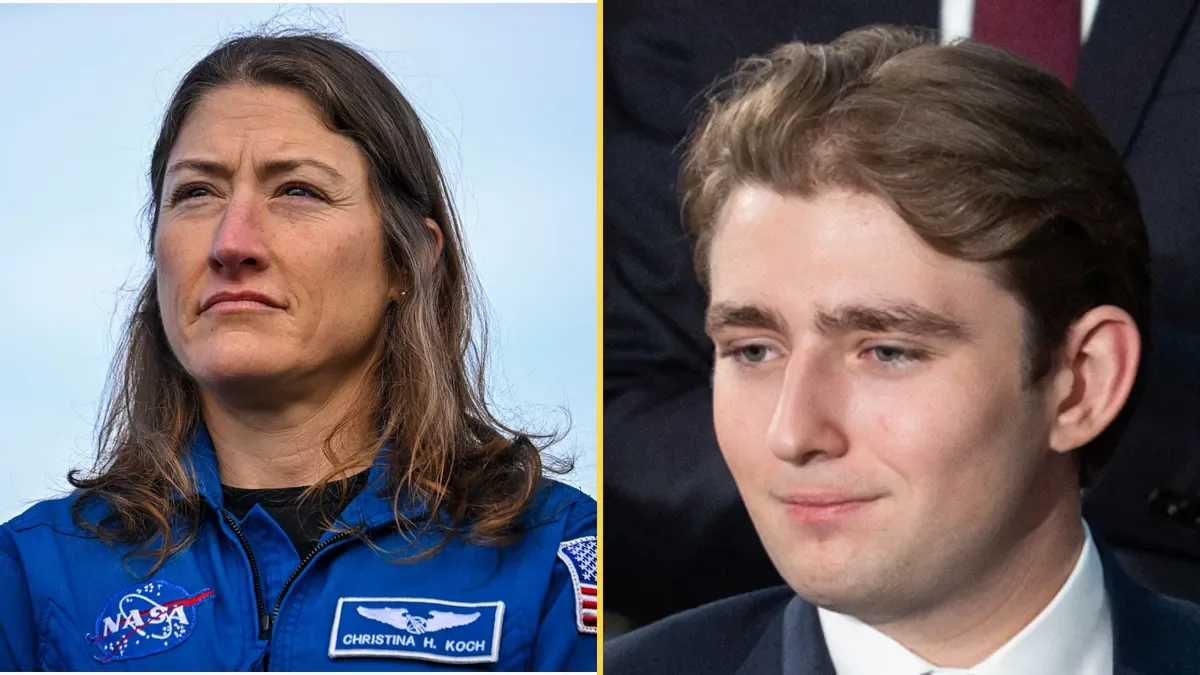
Recent online reports have highlighted a fabricated story falsely claiming Barron Trump issued an instruction to Artemis II astronaut Christina Koch. This particular narrative is identified as a classic example of social media misinformation, where generic, sensational claims are adapted by substituting prominent public figures. The proliferation of such easily manufactured stories underscores ongoing challenges in online content verification and the rapid spread of falsehoods, demonstrating how a simple swap of names can generate widespread, baseless engagement across digital platforms.
Key Facts
-
Subject of Misinformation Fabricated story concerning Barron Trump and Christina Koch.
-
Nature of Claim False assertion that Barron Trump instructed astronaut Christina Koch.
-
Verification Status Confirmed as entirely baseless and untrue.
-
Pattern Identified Illustrates a common template for online misinformation, easily adaptable with different public figures.
-
Individuals Involved Barron Trump (son of former President), Christina Koch (NASA Artemis II astronaut).
Impact
The spread of such easily debunked, yet widely shared, misinformation poses several significant challenges. Firstly, it contributes to a broader erosion of trust in online information and potentially in legitimate news sources. When the public is constantly exposed to sensationalized, false narratives, it can foster cynicism and make it harder to discern credible reporting from baseless rumors, impacting civic discourse and collective understanding of reality. Secondly, these stories can have a direct impact on the public figures involved, drawing unwanted attention, potentially damaging reputations, or creating distractions from their actual work. For Christina Koch, an astronaut preparing for a historic mission, having her name entangled in trivial fake news could divert focus or undermine the seriousness of her professional endeavors. It also highlights the vulnerability of anyone in the public eye to becoming a pawn in viral content schemes, regardless of the truth.
Key Insights
-
1
Misinformation Tactic
The 'template' approach to misinformation, where a generic, sensational narrative is reused with different public figures, is highly effective for viral spread due to its low effort and high engagement potential.
-
2
Social Media Vulnerability
Platforms remain highly susceptible to the rapid dissemination of fabricated content, especially when it involves well-known personalities, often exploiting algorithms designed for engagement rather than truth.
-
3
Importance of Media Literacy
This incident underscores the critical need for improved media literacy among internet users to critically evaluate information, recognize common misinformation patterns, and verify claims before sharing.
Opportunities
The prevalence of such generic misinformation presents significant opportunities in both the technology and media sectors. For tech, there's an increasing demand for sophisticated AI and machine learning tools capable of identifying and flagging templated fake news by analyzing narrative structures, character roles, and rapid propagation patterns, rather than just keywords. This could lead to advanced content moderation systems that are more proactive and less reliant on manual fact-checking after a story has gone viral. In the media and education landscape, there's a growing market for fact-checking services, media literacy programs, and journalistic initiatives focused on pre-bunking (educating the public on common misinformation tactics before they encounter specific fakes). Businesses could develop platforms that help public figures monitor and rapidly respond to fabricated stories, protecting their brand and reputation. Furthermore, new educational apps or gamified learning experiences could emerge to teach critical thinking and source verification skills to a wider audience.
Risks & Challenges
One significant risk is the further degradation of public trust in information. When people are constantly bombarded with easily manufactured, yet widely shared, falsehoods, it fosters a climate of cynicism where even verified news is met with skepticism. This can polarize public discourse, make it harder to address critical societal issues based on shared facts, and even undermine democratic processes if citizens cannot agree on a common reality. The ease with which such stories are created and spread also lowers the barrier for malicious actors to manipulate public opinion or sow discord. Another substantial risk lies in the potential for reputational damage and distraction for the individuals caught in these fabricated narratives. While the current story appears relatively benign, the continuous targeting of public figures can lead to undue stress, require significant resources for debunking, and detract from their professional responsibilities. For high-profile individuals like astronauts involved in sensitive national missions, misinformation can create unnecessary distractions or even security concerns, highlighting the broader societal costs of unchecked online falsehoods.
Source url: https://www.snopes.com//fact-check/barron-trump-christina-koch-sit-down/
Related Articles