India-US Chief Negotiators Set for Three-Day Trade Pact Talks in Washington Starting April 20
NewsHub
Apr 19, 2026
1 min read
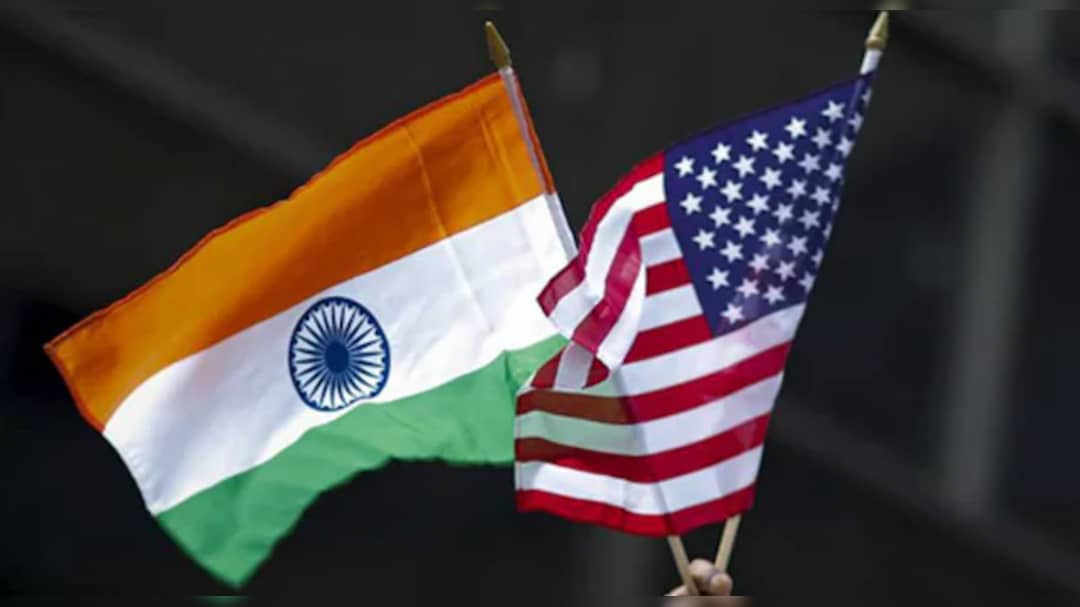
High-level trade negotiations between India and the United States are scheduled to begin on April 20, 2026, in Washington D.C. The three-day talks will see India's delegation led by Darpan Jain, Additional Secretary in the Department of Commerce, aiming to advance discussions on a comprehensive bilateral trade pact. These discussions are critical for strengthening economic ties between the two nations, potentially addressing areas such as market access, tariff reductions, and resolving long-standing trade disagreements. The outcome could significantly influence future trade volumes and strategic collaboration, reflecting both countries' commitment to a robust economic partnership amidst global shifts.
Key Facts
-
Event India-US Trade Pact Talks
-
Start Date April 20, 2026
-
Duration Three days
-
Location Washington D.C., USA
-
Indian Chief Negotiator Darpan Jain
-
Negotiator's Role Additional Secretary, Department of Commerce (India)
Impact
A successful trade pact could profoundly boost bilateral trade volumes, potentially unlocking new market access for various sectors in both India and the United States. For India, this might translate into enhanced export opportunities in areas like textiles, pharmaceuticals, and IT services, alongside greater access to advanced technologies. Conversely, US businesses could benefit from reduced barriers to India's vast and growing consumer market, fostering increased investment and broader economic integration. This could stimulate job creation, drive innovation, and contribute significantly to the economic growth trajectories of both nations. Beyond economic gains, a comprehensive trade agreement would further solidify the strategic partnership between India and the US, underscoring their shared commitment to a rules-based international order. In the context of global supply chain reconfigurations and geopolitical realignments, such a pact would serve as a powerful statement of alliance, enhancing diplomatic cooperation on global issues and strengthening their collective influence on the world stage. It could also provide a blueprint for other emerging economies seeking to forge similar robust trade relationships.
Key Insights
-
1
Geopolitical Rationale
The timing of these talks highlights a strategic imperative for both nations to deepen economic integration, fostering resilience in global supply chains and reinforcing their alliance amidst evolving geopolitical dynamics, particularly concerning Indo-Pacific stability.
-
2
Negotiation Dynamics
Key discussion areas are anticipated to include market access for agricultural products, digital trade regulations, intellectual property rights, and resolution of specific tariff and non-tariff barriers, requiring delicate balancing acts and significant compromises from both sides.
-
3
Sectoral Focus
Discussions are expected to focus heavily on high-growth sectors such as clean energy technologies, critical minerals, healthcare, and advanced manufacturing, reflecting mutual interests in sustainable development, innovation, and technological leadership.
Opportunities
A comprehensive trade agreement between India and the US would open significant commercial avenues across numerous industries. US companies could gain expanded entry into India's rapidly expanding market, potentially leading to increased foreign direct investment in manufacturing, infrastructure, and technology sectors. For Indian businesses, the pact could facilitate greater exports of goods and services, particularly in areas like software development, pharmaceuticals, and automotive components, fostering joint ventures and collaborative research initiatives. Moreover, the agreement could catalyze technological cooperation, promoting shared innovation in emerging fields such as artificial intelligence, biotechnology, and green energy solutions. This collaboration would not only drive economic growth but also position both nations as leaders in future-oriented industries, creating a more interconnected and resilient global innovation ecosystem.
Risks & Challenges
The primary risk facing these trade talks is the potential failure to bridge existing differences, leading to a prolonged stalemate or an unsuccessful outcome. Protectionist sentiments within domestic industries in both countries, particularly in sensitive sectors such as agriculture, steel, or specific manufacturing industries, could generate significant political opposition and complicate efforts to reach a mutually beneficial compromise. Disagreements over intellectual property enforcement, data localization policies, and varying regulatory standards have historically posed substantial challenges, potentially derailing progress and leaving long-standing trade irritants unaddressed. Furthermore, external geopolitical developments or unforeseen economic downturns could shift priorities or introduce new obstacles, making a comprehensive pact more difficult to achieve. A perception of an imbalanced deal by either side, where one country feels it has conceded too much without commensurate gains, could also lead to public and political backlash, jeopardizing the long-term viability and implementation of any eventual agreement. The absence of a clear roadmap post-negotiations could also create uncertainty for businesses and investors.
Related Articles