Korean War Pilot Receives Heartfelt Honor at Fleet Week Houston
NewsHub
Apr 19, 2026
1 min read
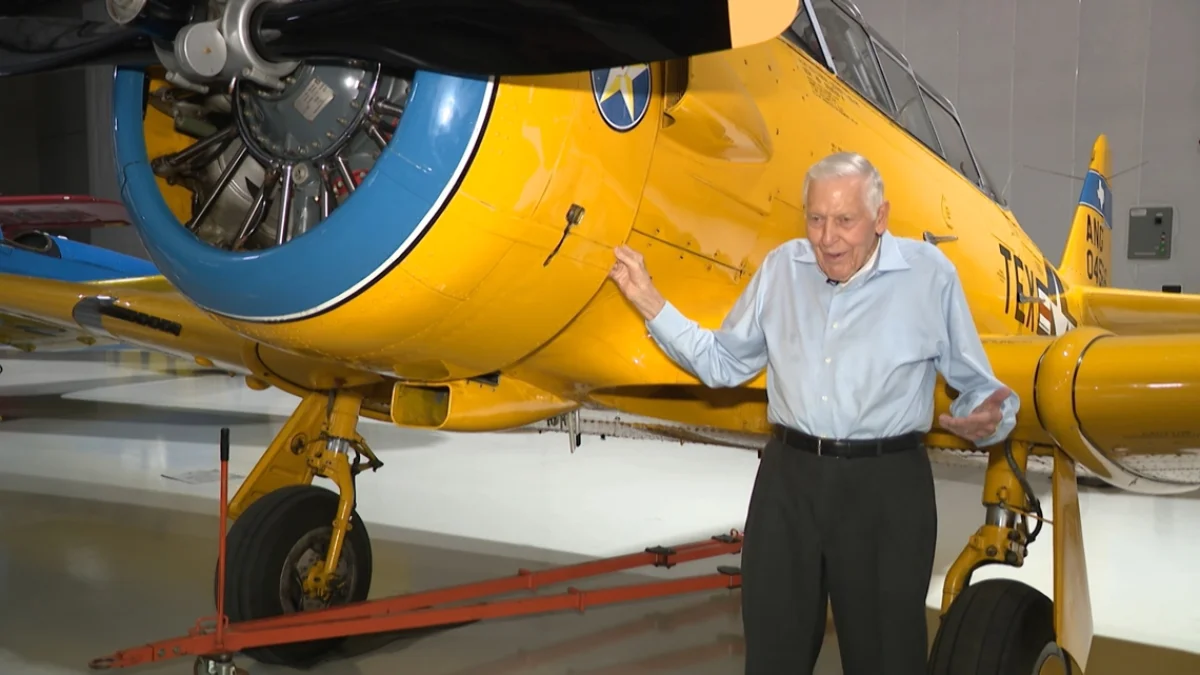
Fleet Week Houston recently provided a poignant moment for a 98-year-old veteran of the Korean War. The former pilot, who flew critical missions decades ago, attended the event, sharing profound stories of his military service. His participation culminated in a moving gesture of appreciation as he was presented with a Navy challenge coin, symbolizing lasting recognition for his invaluable contributions. This event underscores ongoing national efforts to acknowledge and celebrate the sacrifices of the nation's aging veteran population, fostering a vital connection between past and present service.
Key Facts
-
Veteran's Age 98 years old
-
Military Service Korean War pilot
-
Event Attended Fleet Week Houston
-
Outcome Shared personal stories, received Navy challenge coin
Impact
This form of public recognition profoundly impacts the veteran community by validating their service and sacrifices, which can combat feelings of being forgotten, especially for those from conflicts like the Korean War. For an individual, it offers a deeply personal moment of appreciation, potentially boosting morale and connection to the broader community and military family. Such events also serve as a vital reminder for younger generations about the human cost of conflict and the importance of civic duty. For the wider public, witnessing these moments fosters a greater understanding and appreciation for military service and history. It can galvanize community support for veterans' initiatives, strengthen civil-military relations, and instill a sense of national pride. Organizations like Fleet Week also benefit by reinforcing their mission of honoring service members, enhancing their public image, and encouraging future engagement.
Key Insights
-
1
Societal Value of Recognition
The enduring importance of public acknowledgment for military service, particularly for elderly veterans whose numbers are diminishing, reinforces societal values of gratitude and remembrance.
-
2
Intergenerational Connection
Events like Fleet Week successfully bridge gaps between different generations, allowing seasoned veterans to share their unique historical perspectives with current service members and the public, preserving invaluable oral history.
-
3
Psychological Well-being
Such public tributes significantly contribute to the psychological well-being of veterans, providing a sense of purpose and belonging, and counteracting potential feelings of isolation or historical oversight.
Opportunities
There's a significant opportunity for technology and media companies to develop platforms dedicated to digitally archiving veteran stories. This could involve interactive virtual reality experiences that immerse users in historical narratives, or AI-powered tools that help transcribe and categorize oral histories, ensuring these invaluable personal accounts are preserved and made accessible for educational purposes and future generations. Such initiatives could be sponsored by defense contractors or historical societies. Furthermore, businesses in the tourism and hospitality sectors can capitalize on veteran-focused events like Fleet Week by offering tailored packages or discounts, attracting attendees and boosting local economies. There's also room for specialized veteran support organizations to partner with event organizers to provide resources or facilitate participation for elderly or disabled veterans, enhancing the inclusivity and reach of these celebratory occasions.
Risks & Challenges
One significant risk is the potential for such recognition events to become superficial or tokenistic if not accompanied by substantive, ongoing support for veterans. A single moment of honor, while meaningful, might overshadow the persistent challenges many veterans face, such as healthcare access, mental health support, housing, or employment. If the broader public perceives these events as sufficient, it could divert attention and resources from more comprehensive, systemic veteran assistance programs. Another risk pertains to the sustainability and accessibility of these events. As the veteran population ages, ensuring that recognition events are truly accessible for those with mobility issues or other age-related challenges becomes paramount. Funding and volunteer fatigue could also threaten the long-term viability of high-quality recognition programs, potentially leading to a decline in the scale or frequency of meaningful interactions and honors for veterans.