
Mahanagar Gas Axes Commercial Subsidies Amidst Global Energy Squeeze
NewsHub
May 25, 2026
1 min read
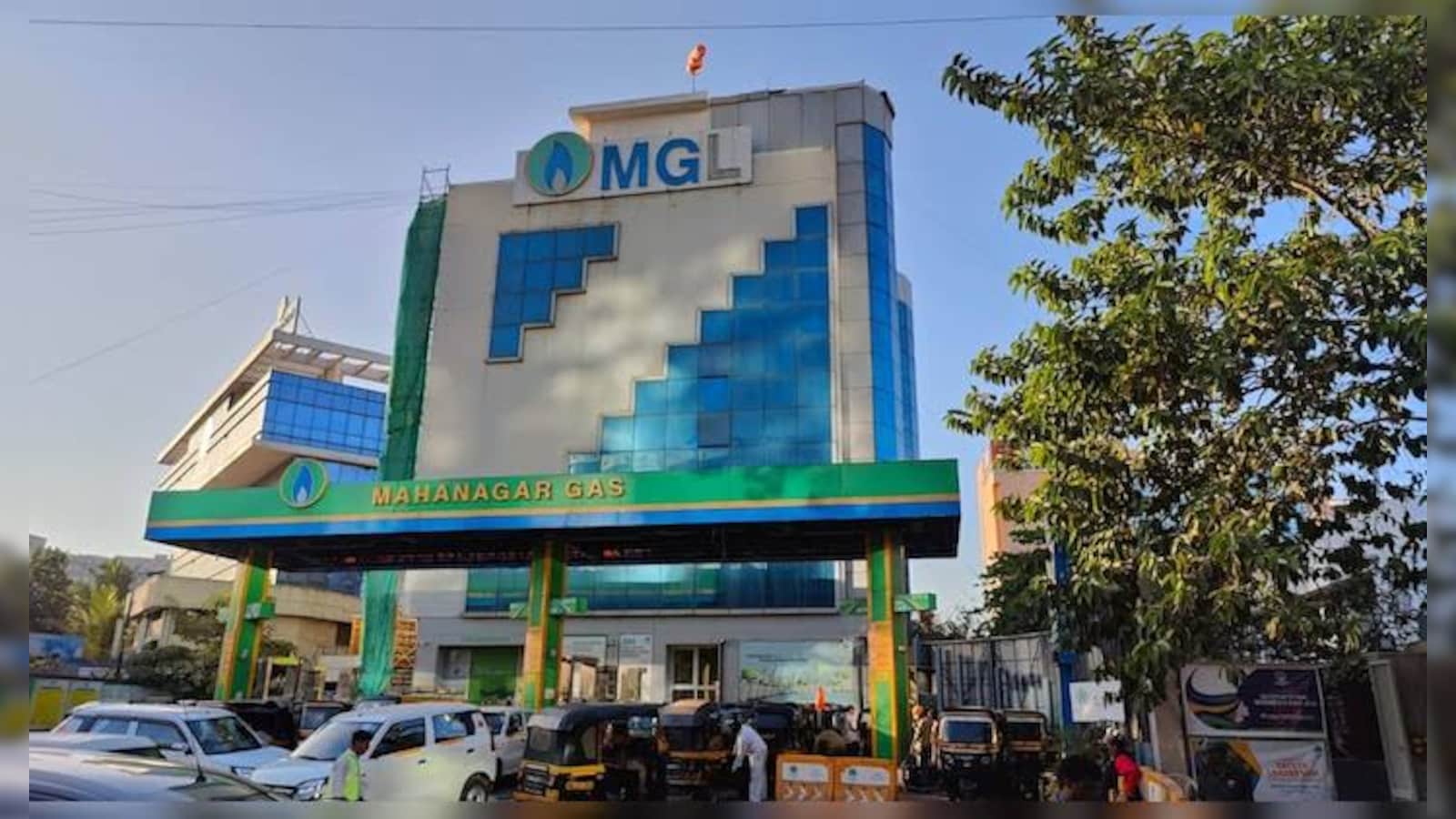
Mahanagar Gas Limited (MGL) has discontinued all discount programs and financial support for its business clients. This strategic shift is attributed to persistent global energy supply chain challenges and escalating geopolitical tensions in the Middle East, which are concurrently prompting India to reinforce its domestic liquefied petroleum gas (LPG) security. The move by MGL signals a broader recalibration of energy cost management for commercial entities across the nation.
Key Facts
-
Company Name Mahanagar Gas Limited (MGL)
-
Action Taken Termination of all schemes and subsidies for commercial customers
-
Reasoning Global supply chain disruptions and geopolitical tensions in West Asia
-
Broader Context India's efforts to strengthen domestic LPG availability
Impact
The discontinuation of subsidies by MGL will directly increase operating expenses for businesses relying on piped natural gas. This could translate into higher prices for goods and services as companies seek to offset the added cost. Sectors like hospitality, manufacturing, and transportation, which have significant gas consumption, are likely to feel the immediate financial pressure. Furthermore, this decision might accelerate the search for alternative energy sources or efficiency improvements within commercial operations, potentially altering consumption patterns in the medium to long term.
Key Insights
-
1
Cost Pressures
MGL's move highlights the growing operational cost burden on energy providers due to international market volatility.
-
2
Policy Alignment
The decision aligns with India's focus on energy self-sufficiency and managing domestic supply in the face of international instability.
Opportunities
This scenario presents an opportunity for renewable energy providers and energy efficiency technology firms to offer solutions to businesses seeking to reduce their reliance on conventional gas. Companies that can demonstrate significant cost savings through alternative fuels or optimized consumption will find a receptive market. Furthermore, there's an opening for innovative financing models that help businesses transition to more cost-effective and sustainable energy sources.
Risks & Challenges
The primary risk for commercial customers is a significant and immediate increase in their energy expenditures, potentially impacting profitability and competitiveness. This could lead to a slowdown in business expansion or, in extreme cases, operational cutbacks. For MGL, the risk lies in potential customer attrition if competitors offer more stable pricing or if businesses aggressively seek alternative suppliers. There's also a reputational risk associated with withdrawing support during challenging economic times, even if justified by external factors.
Related Articles