
Miami Icon Vanishes: Historic Hotel Replaced by Dust and Debris in Swift Demolition
NewsHub
Apr 12, 2026
1 min read
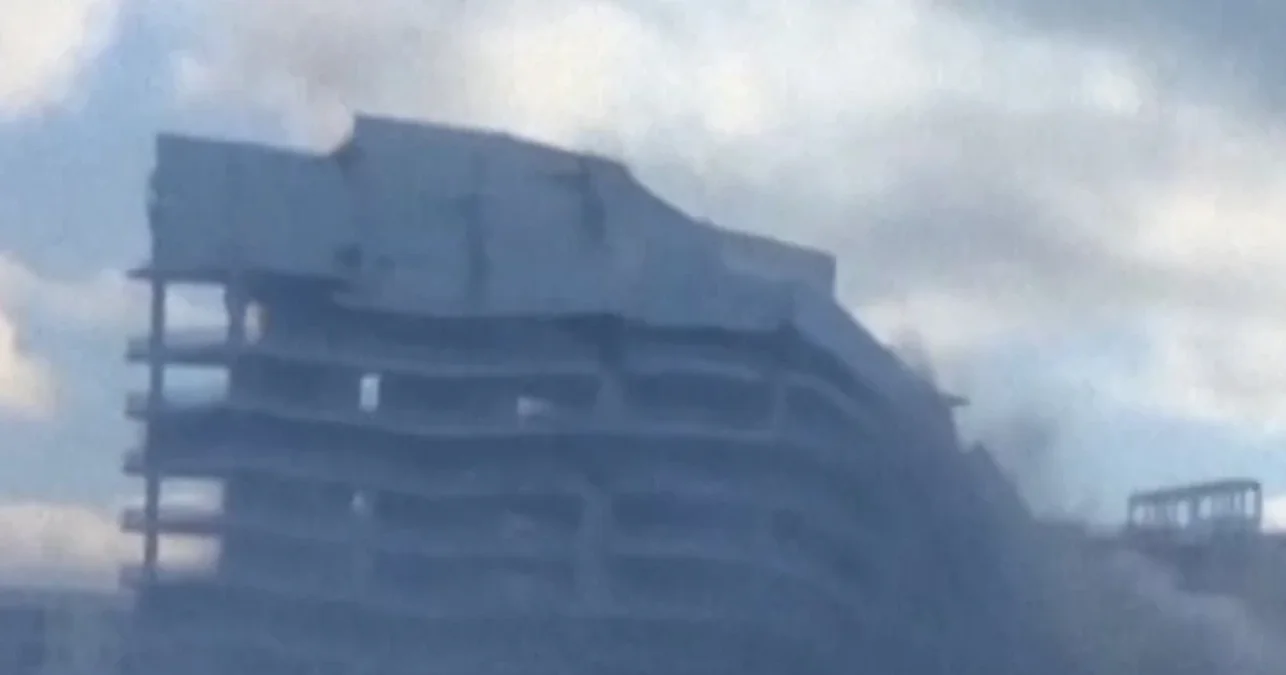
A once-prominent Miami hotel met its end today in a precisely orchestrated implosion, collapsing into a cloud of dust within moments. The towering structure, a fixture of the city's skyline, was brought down safely and efficiently by a professional demolition team. The event marks the end of an era for the building, making way for future development on the valuable waterfront property. Residents and onlookers gathered to witness the dramatic, albeit swift, end of the landmark.
Key Facts
-
Demolition Method Controlled implosion
-
Location Miami
-
Event Duration Seconds
Impact
The immediate impact of the demolition is the complete removal of the existing structure, clearing the way for whatever future project is planned. For the surrounding community, the event likely caused temporary disruptions due to road closures and the dust cloud generated. While the demolition itself was swift, the planning and execution involved extensive preparation to ensure safety and minimize environmental impact. The visual spectacle of a skyscraper's rapid descent will undoubtedly leave a lasting impression on those who witnessed it firsthand. Beyond the immediate physical transformation, the demolition signifies a transition for the area. The removal of an older building often precedes modernization and redevelopment, potentially altering the neighborhood's character and economic landscape. This event may also spark discussions about urban planning, heritage preservation, and the constant cycle of renewal in a dynamic city like Miami. The economic implications for local businesses during the cleanup phase and subsequent construction are also a factor to consider.
Key Insights
-
1
Urban Redevelopment Trends
The demolition underscores Miami's continuous evolution, prioritizing modern development over older structures.
-
2
Engineering Prowess
The successful execution highlights the advanced capabilities and meticulous planning involved in large-scale controlled demolitions.
Opportunities
The cleared site presents a significant opportunity for developers to reimagine the prime Miami real estate. This could involve constructing new residential towers, upscale hotels, or mixed-use complexes catering to the city's growing population and tourism sector. Technological advancements in demolition and construction could also be explored, aiming for even greater efficiency and sustainability in future projects. The project could also stimulate local job creation in construction, engineering, and related service industries.
Risks & Challenges
While controlled demolitions are designed for safety, inherent risks remain. The potential for unforeseen structural issues during the implosion, despite extensive surveying, could lead to unintended consequences or damage to adjacent properties. Environmental concerns, such as airborne particulate matter and noise pollution, require rigorous management and mitigation strategies to protect public health and the surrounding ecosystem. The process also necessitates significant logistical planning, including the evacuation of nearby areas and the management of traffic and public access, which can lead to unforeseen complications. Furthermore, the cleanup operation following such a demolition is a complex undertaking. The sheer volume of debris requires careful sorting, recycling, and disposal, posing environmental challenges and demanding robust waste management protocols. There's also the risk of discovery of hazardous materials within the old structure, necessitating specialized handling and disposal procedures. Public perception and community engagement are also critical; any missteps in communication or safety protocols could lead to negative public reaction and regulatory scrutiny, potentially delaying subsequent development phases.
Background
The hotel, a structure that had stood for many years, was a prominent feature of the Miami landscape. Its demolition was the culmination of a decision to make way for new construction, a common occurrence in rapidly developing urban centers. The process of controlled demolition involves strategically placing explosives to bring a building down upon itself in a predetermined manner, minimizing collateral damage. This method is often chosen for its speed and efficiency when compared to traditional dismantling techniques. The planning for such an operation is extensive, involving structural engineers, demolition experts, and local authorities. Safety is paramount, with detailed site assessments, exclusion zones, and contingency plans put in place. The hotel's age and its specific location would have dictated the precise methodology employed, with the goal of ensuring a safe and contained collapse that allows for the efficient removal of materials and subsequent site preparation for new development.
Related Articles