MLB Reinforces Uniform Policy After Giants Players Display Religious Messages on Pride Night
NewsHub
Jun 17, 2026
1 min read
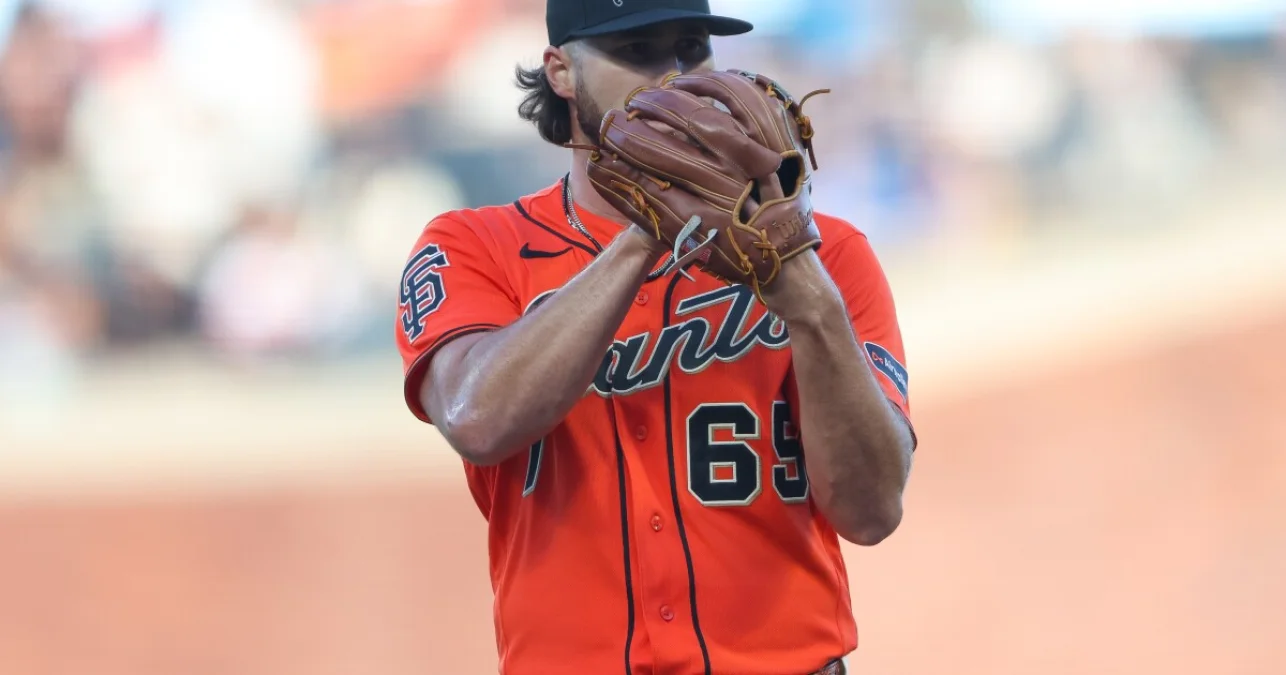
Major League Baseball has issued a stern reminder to its players regarding the league's uniform alteration policy. This directive follows an incident during a recent San Francisco Giants Pride Night game, where pitcher Landen Roupp and two teammates inscribed Bible verses on their caps. The action has drawn attention to the delicate balance between player individual expression and adherence to established league regulations, especially within the context of themed promotional events. MLB's move underscores its commitment to maintaining uniform integrity and managing potentially divisive displays on the field.
Key Facts
-
Organization Enforcing Policy Major League Baseball (MLB)
-
Policy Reinforced Uniform alteration rules
-
Date of Incident Friday night (prior to June 17, 2026)
-
Team Involved San Francisco Giants
-
Players Identified Landen Roupp (and two unnamed pitchers)
-
Nature of Alteration Bible verses added to caps
-
Event Context Pride Night game
Impact
This incident and the subsequent MLB warning highlight a growing tension between individual athlete expression and league corporate branding. It could lead to increased scrutiny of how players choose to express personal beliefs during official events, particularly those tied to social or cultural themes. For the San Francisco Giants, the situation could create internal discussions about team cohesion and navigating diverse player viewpoints, potentially affecting locker room dynamics and public perception. More broadly, the enforcement of uniform policies by MLB reinforces the league's authority over its athletes' conduct and appearance on the field. This may be perceived by some players as a restriction on their freedoms, potentially sparking broader discussions with the MLB Players Association about the scope of permissible personal expression. Conversely, it could be seen by the league as a necessary step to maintain neutrality and prevent potential divisiveness among its diverse fanbase, ensuring all promotional nights can proceed without unintended controversy.
Key Insights
-
1
Player Expression vs. League Rules
The core conflict lies in balancing players' rights to express personal beliefs with the league's need for uniform standards and event neutrality.
-
2
Brand Management Challenge
MLB faces the challenge of managing its brand image, which aims for inclusivity while accommodating players with differing views, especially during themed events.
-
3
Precedent Setting
This warning sets a precedent for how future unauthorized uniform alterations, regardless of intent (religious, political, or personal), will be handled.
-
4
Evolving Social Landscape
Professional sports leagues increasingly operate in a complex social environment, where player actions can quickly become a focal point for broader cultural debates.
Opportunities
From a business and technology perspective, this event presents an opportunity for sports leagues to innovate in how they manage and potentially integrate player expression. Developing a clear, technology-driven platform for *sanctioned* player messaging (e.g., digital patches on uniforms, approved charity endorsements, or pre-vetted personal statements) could allow for controlled expression without compromising uniform integrity or league neutrality. This could also open avenues for new sponsorship models where limited, approved personal messaging slots on uniforms become a premium commodity. Furthermore, there's an opportunity for tech solutions that facilitate enhanced communication between the league, teams, and players regarding uniform guidelines and event protocols. Interactive digital handbooks or AI-powered compliance tools could clarify ambiguous rules, preemptively address potential violations, and ensure all parties are aligned on expectations, reducing misunderstandings and reactive disciplinary actions.
Risks & Challenges
One significant risk for MLB is alienating segments of its player base who feel their right to free expression is being unduly curtailed. This could lead to strained relations between the league and the MLB Players Association, potentially resulting in grievances, public disagreements, or a perception that the league is suppressing religious or personal viewpoints. Such a fallout could damage player morale and recruitment efforts, especially if athletes feel their values are not respected. Another risk is alienating portions of the fanbase. While some fans may support the league's enforcement of uniform rules, others may view it as an overreach or an attempt to silence particular viewpoints, leading to a backlash. Conversely, not enforcing the rules risks alienating the very groups that themed nights, like Pride Night, aim to celebrate, creating a 'damned if you do, damned if you don't' scenario. The league must tread carefully to avoid being perceived as taking a political or ideological stance by virtue of its enforcement, which could lead to boycotts or reduced engagement from various fan demographics.
Background
Major League Baseball, like other professional sports organizations, maintains strict guidelines regarding player uniforms, equipment, and on-field appearance. These rules are primarily designed to ensure brand consistency, commercial integrity, and a level playing field, preventing unauthorized advertising or potentially offensive displays. Historically, players have sometimes pushed these boundaries, from subtle accessory choices to more overt messages, often resulting in disciplinary action or policy clarifications. In recent years, professional sports have increasingly embraced themed nights, such as 'Pride Night,' 'Heritage Night,' or 'Military Appreciation Night,' to foster inclusivity, celebrate diverse communities, and engage broader audiences. While these events are generally well-received, they can occasionally become flashpoints for conflicts when individual player beliefs or expressions clash with the event's intended message or the league's desire for a neutral, unified presentation, as exemplified by this recent incident involving the San Francisco Giants.
Related Articles