NATO Chief Reaffirms U.S. Alliance Amidst Speculation
NewsHub
Apr 19, 2026
1 min read
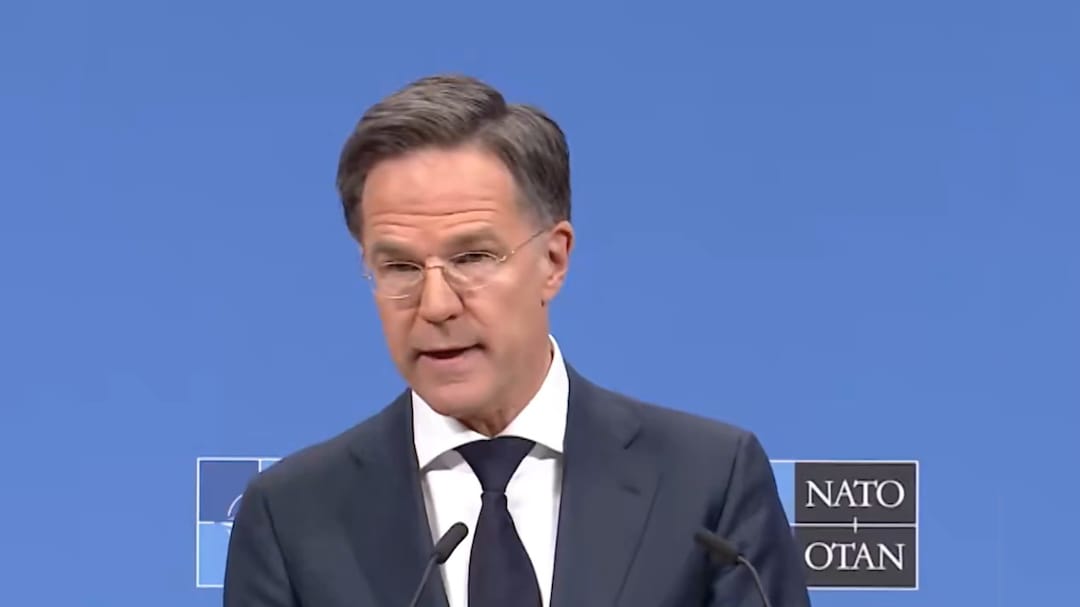
Mark Rutte, the head of NATO, has countered recent suggestions that the United States might abandon the alliance. Rutte conveyed strong conviction that U.S. involvement in European security is not in jeopardy and that Washington's commitment to NATO remains steadfast. His statements aim to allay concerns and project stability regarding the transatlantic security framework, particularly in light of past political rhetoric questioning the alliance's future.
Key Facts
-
NATO Secretary General Mark Rutte
-
U.S. Departure from NATO Considered unlikely by Rutte
-
U.S. Role in European Security Confirmed as ongoing and committed by Rutte
Impact
Rutte's pronouncements carry significant weight in reinforcing the stability and predictability of the NATO alliance. By directly addressing doubts about U.S. commitment, he aims to prevent market volatility and geopolitical uncertainty that could arise from such speculation. This reassurance is crucial for member states who rely on the collective defense pact for their security and for maintaining a united front against potential adversaries. The continued U.S. engagement also underpins NATO's operational capabilities and its role as a key pillar of international security. Furthermore, these remarks serve to bolster confidence among NATO's European members regarding the long-term viability of the alliance. A perceived wavering of U.S. support could lead to increased defense spending fragmentation among European nations or a resurgence of nationalistic security approaches. Rutte's firm stance suggests a strategic effort to maintain alliance cohesion and deter any actions that might undermine collective security efforts.
Key Insights
-
1
Alliance Cohesion
Rutte's public affirmation highlights the ongoing effort to manage perceptions and maintain internal solidarity within NATO, especially in the face of external political pressures.
-
2
Geopolitical Signaling
The statements act as a clear signal to both allies and potential adversaries about the enduring strength and commitment of the U.S. to the transatlantic security order.
-
3
Leadership Confidence
The Secretary General's confident tone suggests that internal consultations within NATO have provided reassurance regarding the U.S. position.
Opportunities
The continued, assured involvement of the United States within NATO presents opportunities for increased defense industrial collaboration and interoperability initiatives. Companies specializing in advanced military technology, cybersecurity, and logistical support for multinational operations could see sustained demand. Furthermore, this stability fosters an environment conducive to joint research and development projects aimed at addressing evolving security challenges, potentially leading to technological advancements that benefit multiple allied nations.
Risks & Challenges
Despite Rutte's assurances, the persistent public discourse questioning U.S. commitment to NATO inherently carries risk. Any future shift in U.S. policy, however unlikely it may seem now, could create significant geopolitical instability and empower adversaries who seek to divide the alliance. Member states might hesitate to commit to long-term defense investments or joint security strategies if they perceive a fundamental uncertainty about future U.S. participation, potentially leading to a weakened collective defense posture. Moreover, such rhetoric can create divisions within the alliance itself. While Rutte is working to project unity, differing interpretations or lingering doubts among member states could lead to tactical disagreements on defense strategies and burden-sharing. This internal friction can diminish NATO's effectiveness and its ability to respond cohesively to crises, offering opportunities for opportunistic actors to exploit these perceived weaknesses.
Related Articles