
New Filing Reveals Extensive Trading in Trump-Named Account Amid Policy Shifts
NewsHub
May 16, 2026
1 min read
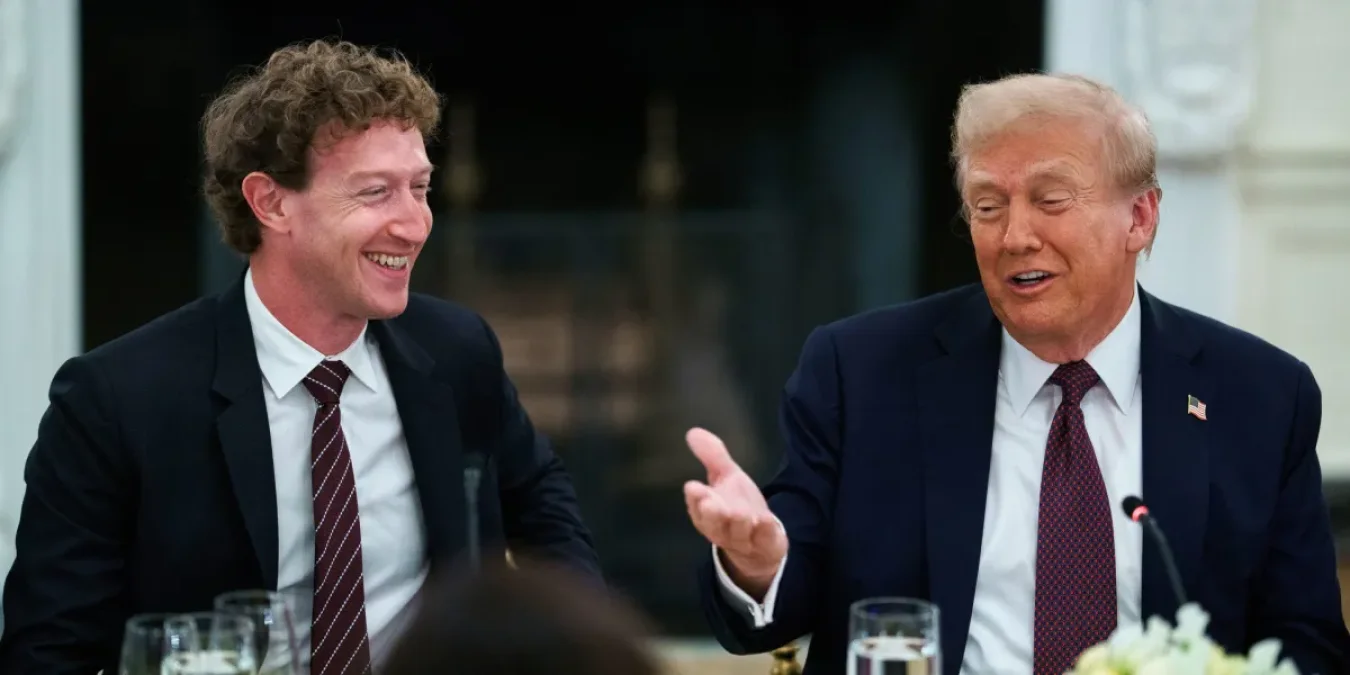
A recent financial disclosure for Q1 2026 has revealed over 3,600 trades within a brokerage account registered under President Trump’s name. The filing indicates significant portfolio adjustments, notably divesting from major technology companies ("hyperscalers") and acquiring energy sector stocks during a period of ongoing conflict. Critics are drawing connections between these trades and the President’s public policy pronouncements and market-influencing actions. Both the Trump Organization and the White House have explicitly denied that President Trump has any direct involvement in managing or directing the specific investment decisions within this account. The timing and nature of these transactions have ignited concerns regarding potential conflicts of interest.
Key Facts
-
Period of Activity Q1 2026
-
Total Trades Revealed 3,642 transactions
-
Account Holder Registered in President Trump's name
-
Key Portfolio Shifts Divestment from 'hyperscaler' technology firms; acquisition of energy stocks
-
Context of Trading Occurred during a significant military conflict
-
Official Stance Trump Organization and White House deny presidential direction of the account
Impact
The revelations surrounding the trading activities in an account tied to President Trump carry significant implications for public trust and market integrity. The perception that personal financial moves might align with, or even capitalize on, market shifts influenced by presidential policy decisions could severely erode confidence in the fairness of governmental processes and capital markets. This situation places additional pressure on the administration to demonstrate an unwavering commitment to transparency and ethical governance, particularly given the ongoing economic and geopolitical complexities. Furthermore, these disclosures could intensify calls for enhanced regulatory oversight concerning the financial dealings of high-ranking public officials. Critics may argue that even an indirect association with such trading patterns, regardless of direct management, creates an appearance of impropriety that undermines the office. The potential for these allegations to become a political liability could divert governmental focus from critical policy matters, creating headwinds for legislative agendas and public support.
Key Insights
-
1
Ethical Challenges
This situation highlights the inherent challenges and ethical complexities when a public figure with immense market-moving influence maintains personal financial accounts. Even without direct presidential involvement, as claimed, the sheer volume and strategic nature of the trades – particularly the shift from tech to energy during a conflict – raise questions about potential information asymmetry or influence wielded by those *around* the President who *do* manage the account.
-
2
Systemic Vulnerability
The concept of 'unusual' trading points to a broader systemic vulnerability concerning conflicts of interest at the highest levels of government. It underscores that appearances alone can be damaging, regardless of the legality or specifics of management. For a news analyst, it reveals how financial disclosures serve as a crucial, albeit often delayed, window into the intersection of power, policy, and personal wealth, driving narratives around accountability and ethical leadership.
Opportunities
The increased scrutiny on public officials' financial activities could spur innovation in financial technology and compliance services. There's an emerging opportunity for firms developing sophisticated, real-time transparency platforms that can track and flag potential conflicts of interest for high-profile individuals, potentially leveraging AI to identify unusual patterns in publicly available data. This could extend to automated ethical compliance tools designed for government agencies and political organizations. Additionally, the controversy creates a market for independent financial ethics advisory services. Organizations and individuals seeking to avoid even the appearance of impropriety may increasingly engage third-party experts to manage assets, establish blind trusts, or audit financial disclosures. This could lead to a specialized niche within the financial services industry focused exclusively on navigating the complex regulatory and ethical landscape for public figures and their families.
Risks & Challenges
The immediate risks include a significant blow to the President's public image and the administration's credibility. Allegations, even if denied, of potential financial gain linked to official decisions can foster public cynicism and distrust in government institutions. This could translate into reduced public support for policies, increased political opposition, and potentially even civil unrest or protests if the public perceives a fundamental breach of ethical conduct. Beyond reputational damage, there's a tangible risk of regulatory investigations by bodies like the Securities and Exchange Commission (SEC) or the Justice Department. Such investigations, even if ultimately clearing the President or his associates, can be protracted, costly, and politically damaging. They could also expose other irregularities or weaknesses in financial disclosure laws, leading to calls for legislative reforms that might restrict how public officials and their families manage assets, potentially creating future compliance burdens.
Source url: https://fortune.com/2026/05/15/trump-stock-trades-brokerage-iran-war-ai-big-tech-market-moving/
Related Articles