Panama Canal Tolls Soar as Shipping Giants Avoid Strait of Hormuz Disruptions
NewsHub
Apr 25, 2026
1 min read
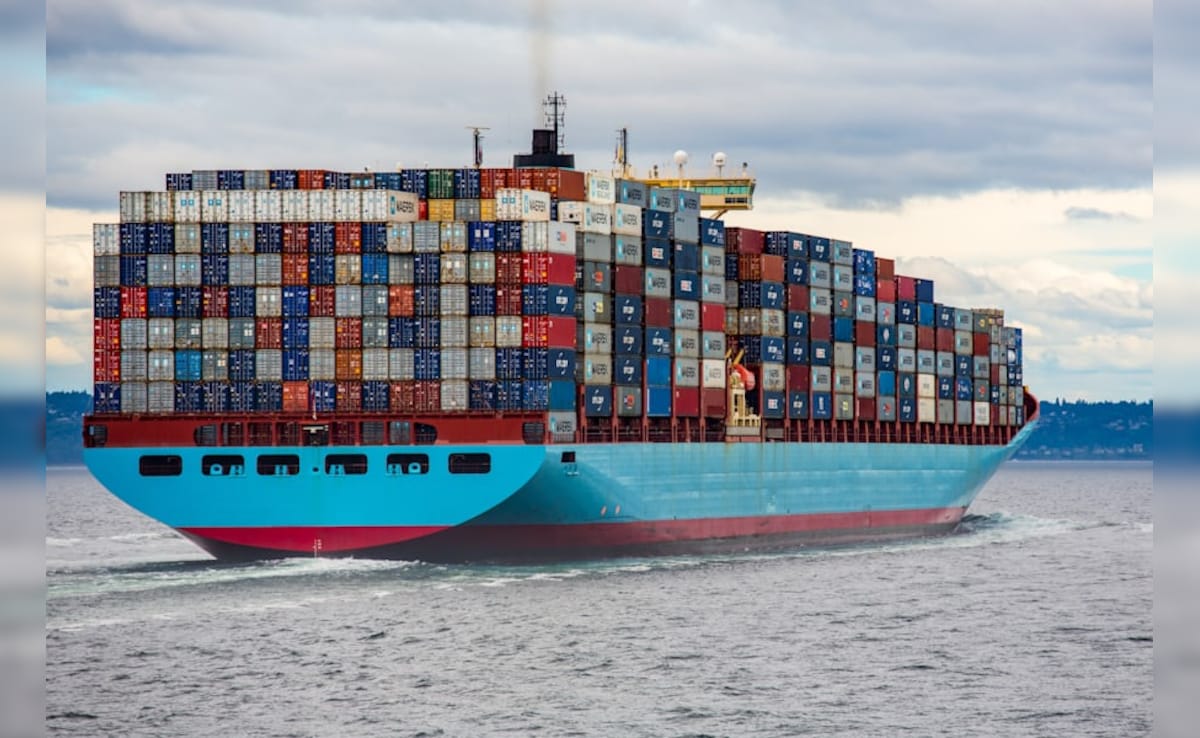
Navigational bottlenecks at the Panama Canal are witnessing unprecedented demand and escalating fees. Maritime carriers are shelling out substantial sums, reportedly reaching up to $4 million per transit, to guarantee swift passage. This surge in expenditure is directly attributed to heightened geopolitical instability in the Strait of Hormuz, a critical global shipping chokepoint. Companies are prioritizing timely deliveries and supply chain reliability, leading them to accept exorbitant costs for the Panama Canal route as a strategic alternative to the risks associated with the Hormuz region.
Key Facts
-
Peak Panama Canal Transit Cost Up to $4 million
-
Primary Driver of Increased Costs Geopolitical tensions in the Strait of Hormuz
-
Shipping Company Motivation Ensuring timely passage and supply chain continuity
-
Alternative Route Premium Significant financial outlay for guaranteed passage
Impact
The skyrocketing tolls at the Panama Canal are placing immense financial pressure on shipping companies, potentially impacting freight rates and, by extension, consumer prices for goods traversing this vital waterway. Businesses relying on efficient global logistics are forced to absorb these increased operational expenses, which could lead to higher inflation or a reallocation of resources away from other critical investments. Furthermore, the congestion and extended wait times at the Panama Canal, despite premium payments, could create ripple effects across global supply chains, causing delays for industries that depend on just-in-time inventory management. This situation also highlights the vulnerability of global trade to regional conflicts and chokepoint disruptions. The substantial premiums paid underscore the immense value placed on predictable transit times in a volatile geopolitical climate. As more vessels opt for the Panama Canal to circumvent potential Hormuz disruptions, the canal itself becomes a new point of congestion, necessitating further examination of its capacity and the broader implications for international commerce.
Key Insights
-
1
Geopolitical Risk Premium
Companies are willing to pay significant sums to mitigate the financial and operational risks posed by geopolitical instability.
-
2
Supply Chain Resilience Value
The ability to maintain consistent delivery schedules is being valued at a premium, demonstrating a shift towards prioritizing resilience over cost optimization.
-
3
Chokepoint Vulnerability
Key maritime arteries are susceptible to geopolitical events, creating significant economic consequences for global trade.
Opportunities
The current situation presents an opportunity for innovation in maritime logistics and infrastructure. Companies could explore advanced route optimization software that incorporates real-time geopolitical risk assessments and dynamically adjusts shipping plans. Investment in alternative shipping routes, such as overland freight or the development of new canal systems, could also gain traction. Furthermore, the increased demand for expedited passage at the Panama Canal might spur investments in its expansion and modernization to handle higher volumes and reduce transit times, thereby increasing its overall capacity and potentially stabilizing future toll costs.
Risks & Challenges
The primary risk is the potential for sustained or escalating geopolitical tensions in the Strait of Hormuz, which could lead to prolonged disruptions and further price hikes at the Panama Canal. This protracted uncertainty could significantly impact global trade volumes and economic growth, as businesses face increased costs and unpredictable delivery times. Moreover, if these elevated costs become a permanent feature of maritime shipping, it could lead to a structural shift in trade patterns, with some regions becoming less competitive due to higher transportation expenses. Another significant risk is the potential for the Panama Canal itself to become a bottleneck, leading to an increase in congestion and further delays, even for those paying premium rates. The environmental impact of increased shipping traffic and potential reliance on less efficient routes also needs consideration. As shipping firms divert resources to cover these extraordinary transit fees, it could detract from investments in decarbonization technologies or fleet modernization, potentially hindering long-term sustainability goals within the industry.
Related Articles