RBI Likely to Delay Monetary Tightening, Rate Hike Expected Late 2026 Amid Persistent Inflation Concerns
NewsHub
May 25, 2026
1 min read
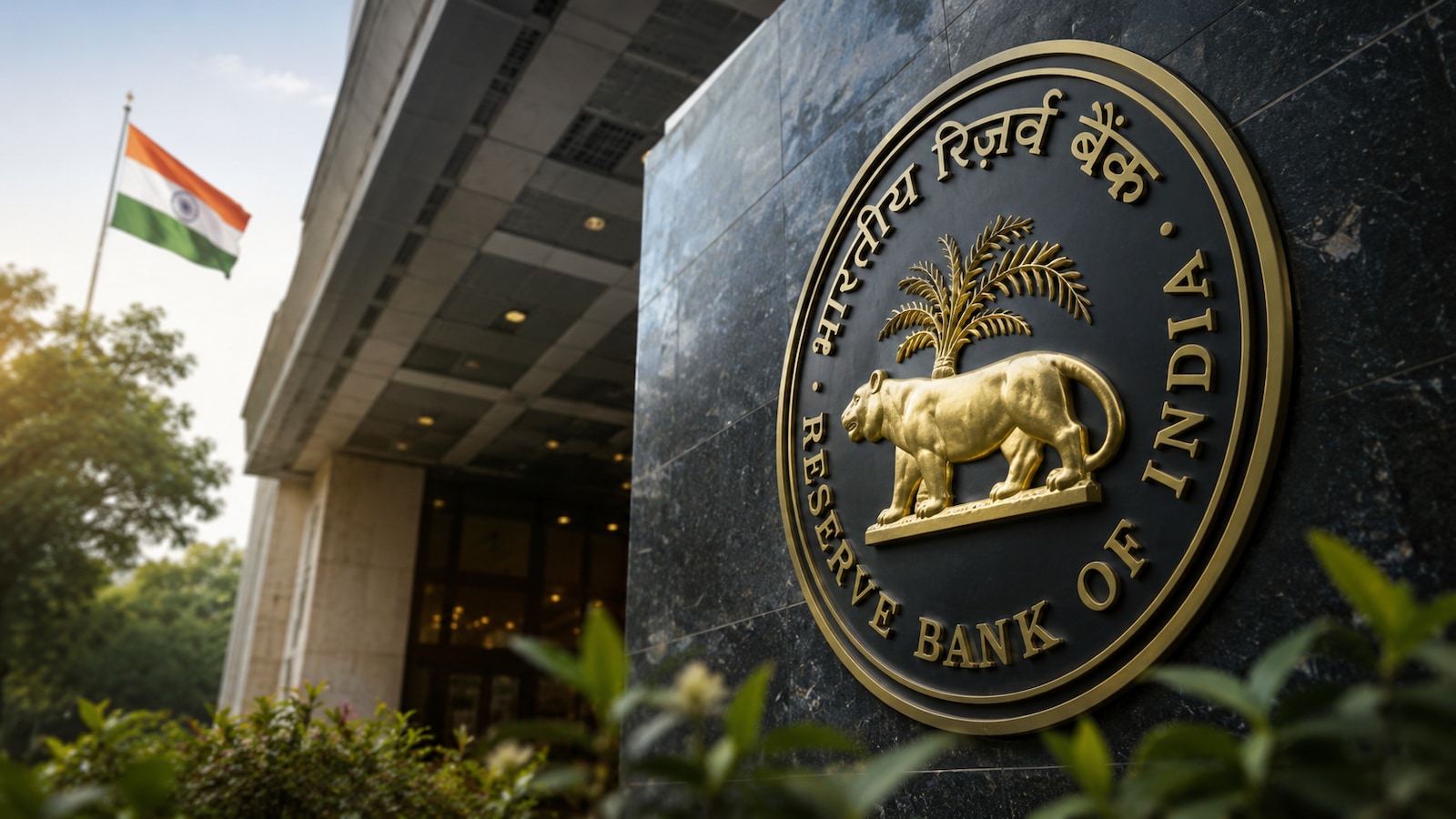
According to ICRA's Chief Economist, the Reserve Bank of India (RBI) is anticipated to adopt a cautious approach, avoiding immediate monetary tightening. An increase in benchmark interest rates is projected only towards the end of 2026, contingent upon the continued presence of inflationary pressures. This stance suggests the central bank is balancing economic growth considerations with its mandate for price stability, preferring to observe economic data for a longer period before implementing any policy shifts that could impact credit availability and borrowing costs.
Key Facts
-
Central Bank Reserve Bank of India (RBI)
-
Monetary Policy Stance Delayed tightening; no immediate rate hike
-
Expected Action Interest rate increase
-
Likely Timing Late 2026
-
Primary Trigger Persistent inflationary pressures
-
Source of Analysis ICRA Chief Economist
Impact
This projected delay in monetary tightening by the RBI offers near-term stability for various sectors of the Indian economy. Businesses and consumers can anticipate relatively stable borrowing costs for the better part of 2026, potentially encouraging investment and consumption. Sectors heavily reliant on credit, such as real estate, manufacturing, and infrastructure, may benefit from this prolonged period of unchanged rates, allowing for better financial planning and project execution without immediate upward pressure on financing expenses. However, the prospect of a rate hike towards the year-end, if inflation persists, introduces a degree of uncertainty for financial markets. Bond yields might firm up in anticipation, and equity markets could see sector-specific revaluations as investors factor in higher future borrowing costs. Banks will need to manage their asset-liability structures carefully, preparing for a potential shift in interest rate cycles that could affect loan growth, deposit rates, and overall profitability in the longer term. The rupee's stability could also be influenced by global interest rate movements and domestic policy expectations.
Key Insights
-
1
Policy Nuance
The RBI is prioritizing economic stability and growth in the short term, indicating confidence that current inflation levels are manageable or not critically urgent for immediate intervention, while remaining vigilant for future risks.
-
2
Inflation Outlook
This assessment implies that while price pressures are present, they are not yet considered runaway or acutely damaging enough to warrant immediate, aggressive measures, suggesting a belief that some inflationary components might be transitory or supply-side driven.
-
3
Forward Guidance Implication
The statement provides implicit forward guidance to markets, allowing participants to adjust their strategies and expectations for the latter half of 2026, thus potentially reducing sudden shocks from policy changes.
Opportunities
Businesses, particularly those with significant capital expenditure plans or requiring access to credit, have an opportunity to lock in financing at current, relatively stable interest rates for a longer duration. This stability can facilitate strategic investments, capacity expansion, and working capital management without the immediate pressure of rising borrowing costs. Additionally, the continued supportive monetary environment could bolster consumer confidence, presenting opportunities for consumer discretionary sectors and services. Fintech companies can develop innovative lending and savings products tailored to a stable rate environment, while also preparing solutions for when rates eventually begin to climb. From an investment perspective, sectors that benefit from lower interest rates, such as real estate and infrastructure, might attract sustained interest. Investors could also explore opportunities in companies with strong balance sheets that can navigate potential future rate increases more effectively, or those in export-oriented sectors that might benefit from a globally competitive financing environment.
Risks & Challenges
One significant risk is that persistent inflation, if not addressed promptly, could become more entrenched within the economy. A delayed response might necessitate more aggressive rate hikes later in the year, which could then lead to a sharper deceleration in economic activity than a gradual adjustment. This could create a 'hard landing' scenario, impacting consumer spending, business investment, and overall market sentiment more severely. Furthermore, global economic developments, such as unexpected commodity price surges, geopolitical events, or faster-than-anticipated monetary tightening by other major central banks, could alter the domestic inflation trajectory and put pressure on the RBI to act sooner than currently anticipated. Such external shocks could force a rapid reassessment of policy, potentially leading to increased market volatility and less predictable outcomes for businesses and investors who have planned based on the current outlook.