Robert MacIntyre's Masters Bid Narrowly Avoids Catastrophe Due to Freak Injury Report
NewsHub
Apr 11, 2026
1 min read
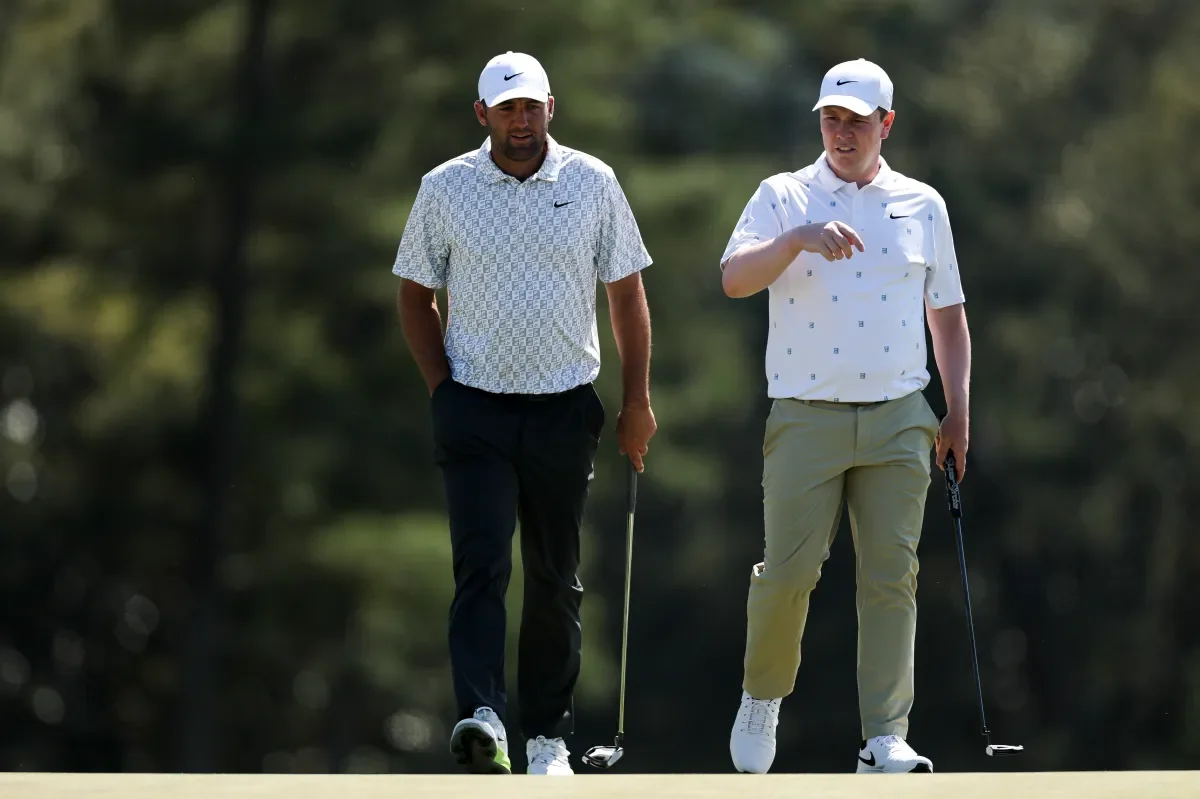
Scottish golf professional Robert MacIntyre reportedly faced an unexpected health crisis just days before the commencement of the 2026 Masters Tournament, nearly forcing his withdrawal from the prestigious event. While specific details of the 'freak injury' remain undisclosed, the incident highlights the precarious nature of elite sports careers and the immense pressure athletes face leading up to major competitions. Despite the significant scare, MacIntyre apparently overcame the setback to participate, underscoring his resilience and commitment to competing at golf's highest level, even amidst personal challenges.
Key Facts
-
Golfer Involved Robert MacIntyre
-
Event Affected The 2026 Masters Tournament
-
Nature of Incident Freak injury
-
Timing of Incident Days before the tournament began
-
Outcome Golfer nearly withdrew but ultimately competed (implied)
-
Source Reported news outlets
Impact
This pre-tournament injury scare for Robert MacIntyre could have had several immediate impacts. For the player, it likely created significant mental stress and physical discomfort, potentially affecting his preparation and performance focus during one of golf's most demanding events. Such an incident can disrupt a golfer's meticulously planned routine, from practice rounds to strategy development, leading to suboptimal play even if he ultimately teed off. The lingering effects of the injury, even if minor, could also have influenced his physical capabilities throughout the four-day major. From a broader perspective, a last-minute withdrawal of a recognized player like MacIntyre would have been a disappointment for fans and potentially impacted betting markets, especially if he was considered a dark horse. For tournament organizers and broadcasters, it would have altered the narrative, shifting focus from pure competition to player health and the unpredictability of professional sports. It underscores how fragile the participation of top athletes can be, often hinging on unforeseen circumstances outside of skill or preparation.
Key Insights
-
1
Athlete Resilience
The incident demonstrates the extraordinary determination and physical resilience required by elite athletes to compete under adverse conditions, choosing to play despite a significant pre-tournament setback.
-
2
Unpredictability in Elite Sports
Even in a sport like golf, seemingly less prone to high-impact injuries, unforeseen 'freak' accidents can jeopardize a player's participation at critical moments, emphasizing the inherent unpredictability.
-
3
Mental Fortitude
Successfully navigating a serious injury scare just before a major championship speaks volumes about a player's mental toughness and ability to compartmentalize pressure and physical discomfort.
-
4
Media Narrative Shaping
Reports of near-withdrawals add a layer of drama and human interest to major sporting events, engaging audiences beyond just the leaderboard.
-
5
Importance of Pre-Tournament Health
Highlights the critical importance of maintaining optimal health and avoiding any mishaps in the days leading up to a major championship, where even minor incidents can have significant implications.
Opportunities
This type of incident presents opportunities within sports science and technology. There's an ongoing demand for advanced diagnostic tools capable of quickly assessing and monitoring subtle injuries, ensuring rapid and safe return-to-play decisions. Furthermore, developments in personalized athlete recovery protocols and rehabilitation technologies, potentially incorporating AI-driven insights from biometric data, could see increased investment and adoption within professional sports organizations. Ensuring athletes can recover swiftly and effectively from unexpected setbacks without long-term detriment is a significant area for innovation. Beyond direct medical applications, the incident highlights a market for specialized sports insurance products tailored to professional athletes, offering comprehensive coverage for career-threatening injuries or financial losses due to withdrawals from high-profile events. Media companies also have an opportunity to develop compelling human-interest content around athlete adversity and comeback stories, enhancing fan engagement through behind-the-scenes access to recovery processes and mental preparation strategies.
Risks & Challenges
The most immediate risk for Robert MacIntyre was exacerbating the 'freak injury' by competing in the Masters, potentially leading to a more severe, chronic condition that could impact his long-term career. Playing through pain or with an unhealed injury carries a substantial risk of altered mechanics, which could lead to secondary injuries in other parts of the body. Furthermore, a compromised physical state could significantly affect his performance, resulting in a poor showing at a major, which could negatively impact his world ranking, future exemptions, and potentially sponsor confidence. Broader risks include the potential for reputational damage if the decision to play was perceived as reckless or if his performance suffered significantly as a direct result of the injury. For sponsors and endorsers, a player's absence or diminished performance at a major championship represents a lost marketing opportunity and a reduced return on their investment. Moreover, the prevalence of such 'freak injuries' can raise questions about player safety protocols and training methodologies across the sport, prompting a review of how athletes manage physical risks in the high-stakes environment of professional golf.
Related Articles