
Russia Escalates Threats Against Kyiv, Citing Drone Attack Retaliation
NewsHub
May 25, 2026
1 min read
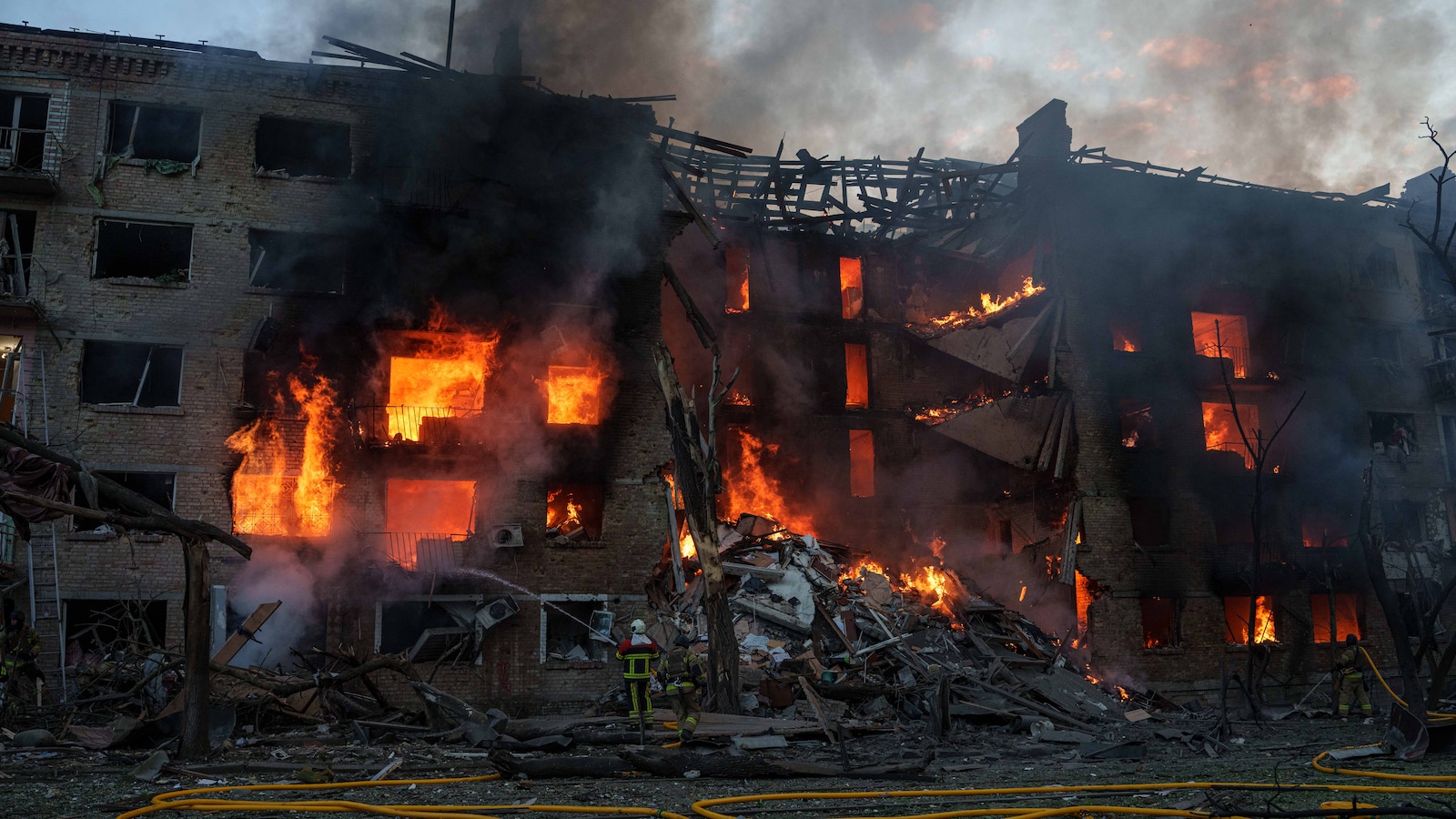
Moscow has issued a strong warning to foreign nationals in Ukraine's capital, Kyiv, urging them to depart immediately. This advisory comes as Russia signals its intention to carry out targeted assaults on the city. These planned actions are reportedly a direct response to a recent Ukrainian drone operation that resulted in significant casualties, claiming the lives of at least 18 individuals in a student dormitory in Starobilsk. The escalating rhetoric and potential for intensified military action raise serious concerns about civilian safety and the ongoing conflict.
Key Facts
-
Russia's Warning Foreign nationals advised to leave Kyiv.
-
Stated Russian Intent Preparation for 'systematic strikes' on Ukraine's capital.
-
Trigger for Escalation Reported retaliation for a Ukrainian drone attack.
-
Attack Details Drone strike killed at least 18 people in a Starobilsk student hostel.
-
Date of Hostility May 25, 2026
Impact
The heightened threat level against Kyiv presents a dire situation for its civilian population, particularly foreign residents and visitors who are now being directly urged to evacuate. The prospect of 'systematic strikes' portends a significant intensification of hostilities in the capital, potentially leading to widespread destruction and increased humanitarian suffering. This development could also trigger further diplomatic fallout and international condemnation, complicating already strained global relations. Economically, the intensified conflict will likely disrupt supply chains, impact trade routes, and further destabilize markets sensitive to geopolitical tensions. The fear of escalating attacks may also deter foreign investment and tourism in the region, contributing to long-term economic challenges for Ukraine and potentially impacting global energy and commodity prices due to associated risks.
Key Insights
-
1
Escalation Dynamics
Russia's declaration of intent to strike Kyiv suggests a deliberate strategy of employing punitive measures in response to perceived Ukrainian provocations, potentially aiming to break Ukrainian resolve or garner domestic support through displays of strength.
-
2
Geopolitical Signaling
The warning to foreigners serves as a multifaceted signal, aiming to deter foreign involvement, sow fear, and potentially create a pretext for wider military operations while also attempting to influence international perceptions of responsibility.
-
3
Retaliatory Pattern
The stated motivation for retaliation highlights a recurring pattern in the conflict, where attacks by one side are met with disproportionately forceful responses, contributing to a dangerous cycle of violence.
Opportunities
The increased danger and potential for widespread damage could create opportunities for humanitarian aid organizations to expand their operations, offering support and evacuation assistance to vulnerable populations. Furthermore, technological advancements in defensive systems, early warning networks, and resilient infrastructure development could see accelerated interest and investment as nations seek to better protect their citizens and critical assets in a volatile geopolitical landscape.
Risks & Challenges
The most immediate risk is the direct threat to civilian lives in Kyiv, as 'systematic strikes' could result in mass casualties and extensive damage to urban infrastructure. The potential for miscalculation or unintended escalation remains high, with the possibility of these strikes drawing in other actors or triggering unforeseen consequences. Beyond the immediate military danger, there is a significant risk of further erosion of international law and humanitarian norms. A deliberate targeting of civilian areas or infrastructure, even if framed as retaliation, would be a grave violation and could lead to further isolation of Russia and a deepening of the global security crisis. The psychological impact of such attacks on the civilian population, both within Ukraine and globally, should also not be underestimated.
Related Articles