
Severe Tornado Outbreak Looms for Millions Across U.S. Amid Escalating Storm Threat
NewsHub
Jun 17, 2026
1 min read
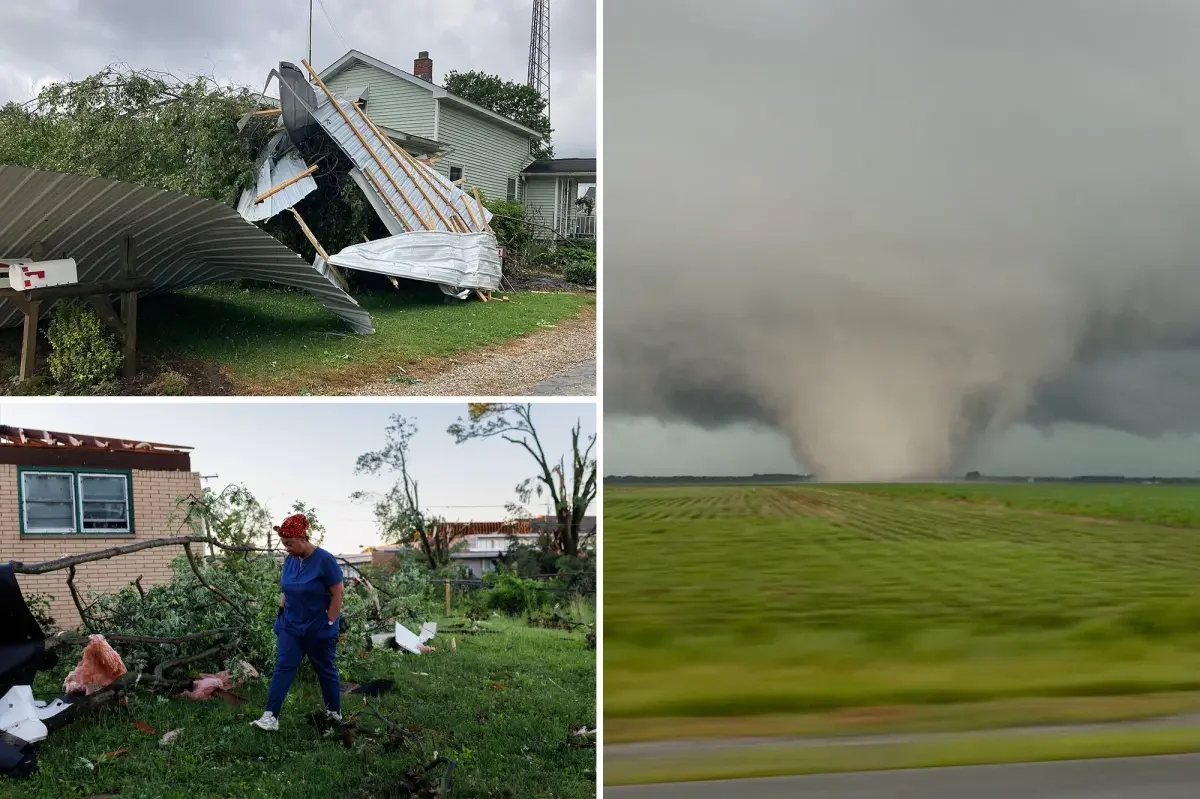
A significant escalation in severe weather is anticipated across the United States, placing millions at risk of violent tornadoes and destructive storms. This forecast arrives shortly after a major weather event impacted the Midwest last week, suggesting a persistent and intensifying pattern of dangerous atmospheric conditions. Emergency services and residents in affected regions are advised to prepare for widespread disruption and potential hazards from high winds, hail, and intense twisters.
Key Facts
-
Threat Type Violent tornadoes and severe storms
-
Population at Risk Millions of Americans
-
Timing Imminent, following previous week's Midwest outbreak
-
Geographic Scope United States
Impact
The impending severe weather event poses immediate and significant risks to human life and property. Widespread damage to homes, businesses, and critical infrastructure, including power grids and transportation networks, is a strong possibility. This could lead to extensive power outages, communication disruptions, and difficulties for emergency responders in reaching affected areas, potentially isolating communities and necessitating large-scale evacuations and shelter operations. Economically, the recurrence of severe weather, especially after recent events, could place substantial strain on local economies. Agricultural sectors, already vulnerable, may face further crop damage, while business operations could be halted, leading to lost revenue. Insurance claims are expected to surge, potentially straining industry resources. Furthermore, the psychological toll on communities repeatedly subjected to such natural disasters can be profound, impacting long-term recovery and community resilience.
Key Insights
-
1
Weather Pattern Persistence
The rapid succession of severe weather outbreaks, with a new threat emerging immediately after last week's Midwest event, suggests a potentially more persistent and volatile atmospheric pattern than typically observed. This indicates a need for enhanced, long-term regional weather monitoring and predictive modeling to better anticipate and mitigate recurrent high-impact events.
-
2
Community Resilience Strain
The repeated exposure of communities to severe weather events, particularly across the Midwest and now more broadly, highlights growing concerns about the cumulative strain on local resources, infrastructure resilience, and public mental health. Strategies for continuous recovery and adaptation must be prioritized beyond immediate disaster response.
Opportunities
The recurring threat of severe weather creates substantial opportunities for innovation in disaster preparedness and response technologies. This includes advancements in real-time predictive analytics and localized early warning systems that can offer more precise and timely alerts, potentially integrating AI and machine learning. There's also a growing market for resilient infrastructure materials, rapid-deployment shelter solutions, and mobile power generation systems capable of withstanding extreme conditions and ensuring continuity of essential services during outages. Beyond immediate response, opportunities exist in sustainable urban planning and construction that prioritizes storm-resistant building codes and materials. Furthermore, the insurance sector could explore new parametric insurance products that offer quicker payouts based on pre-defined weather triggers, reducing administrative overhead and accelerating recovery efforts for affected businesses and individuals. Investment in community-level resilience programs, supported by public-private partnerships, could also foster growth in specialized consulting and service provision.
Risks & Challenges
The primary risks revolve around human safety, including potential fatalities and widespread injuries from violent tornadoes, flying debris, and flash flooding. Extensive property destruction, ranging from residential homes to commercial buildings and agricultural assets, is highly probable, leading to immense financial losses for individuals, businesses, and the broader economy. Critical infrastructure, such as power grids, telecommunications, and transportation networks, faces significant threats of prolonged outages and operational disruptions, severely hindering daily life and emergency response efforts. Beyond immediate dangers, the recurrent nature of these severe weather outbreaks poses substantial long-term risks to regional stability and economic development. Increased pressure on insurance markets could lead to higher premiums or reduced coverage availability in high-risk areas. Furthermore, if these patterns are indicative of broader climate shifts, there is a risk of escalating costs for disaster relief and recovery, potentially diverting public funds from other essential services and impacting national fiscal health. The psychological toll on affected communities, coupled with potential population displacement, represents a significant societal challenge.
Background
This latest severe weather alert follows closely on the heels of a significant and damaging outbreak that impacted the Midwest just last week. That event saw numerous reports of tornadoes, destructive winds, and large hail, causing considerable property damage and disruption across multiple states. The rapid succession of these high-impact weather systems indicates a period of heightened atmospheric instability across the central United States. The United States, particularly the "Tornado Alley" and "Dixie Alley" regions, is accustomed to severe weather during late spring and early summer. However, the recent frequency and intensity of these outbreaks, now extending to threaten millions more, raises concerns about the evolving nature of severe storm patterns. Historically, consecutive severe weather events can exhaust local resources and test the resilience of affected populations and infrastructure.
Related Articles