
US Secretary of State Lands in Kolkata, Igniting India's East for Diplomatic Talks
NewsHub
May 23, 2026
1 min read
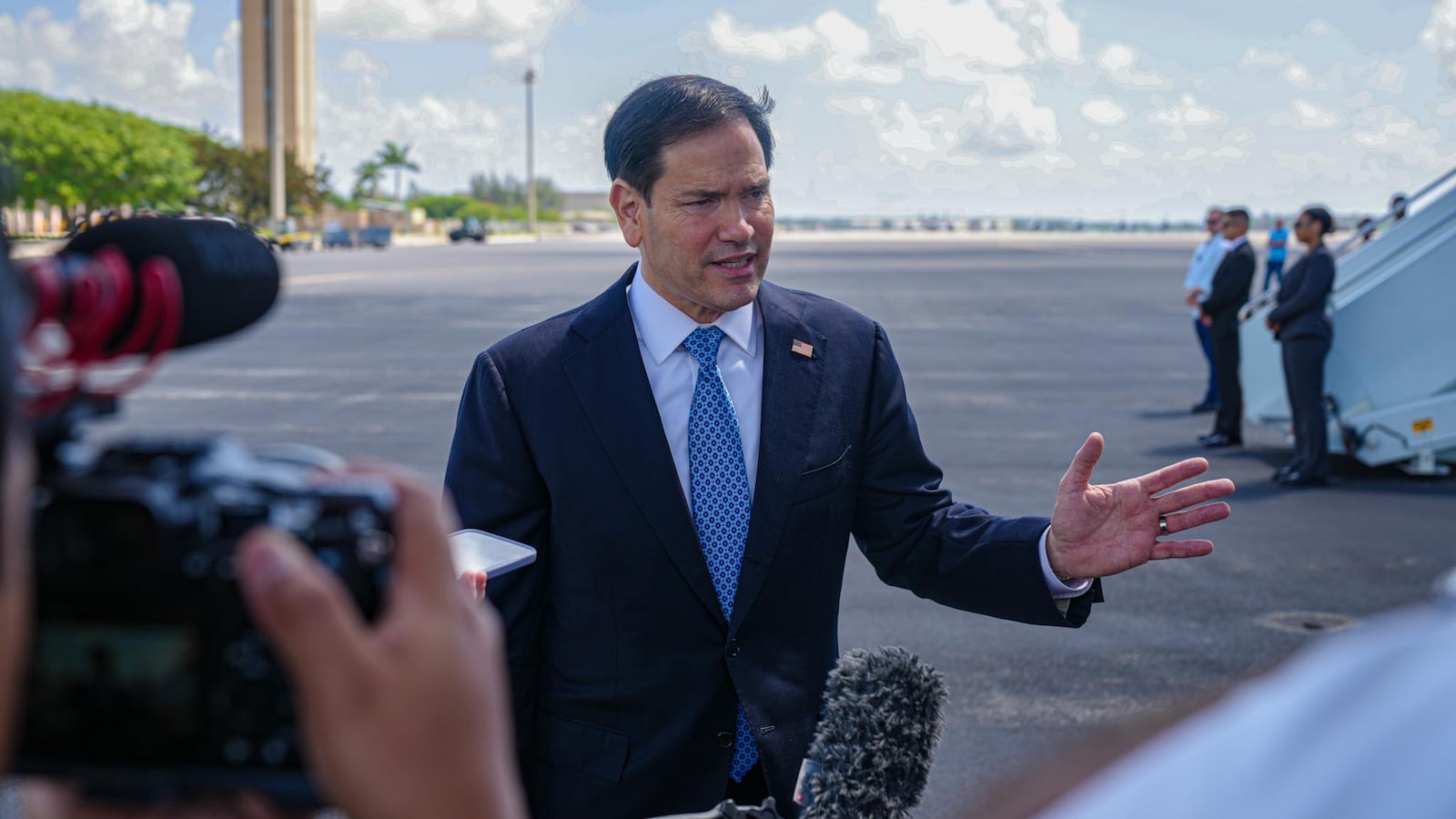
U.S. Secretary of State Marco Rubio commenced a significant four-day diplomatic mission in India, with his arrival in Kolkata underscoring the renewed importance of the region. This marks a notable resumption of high-level American engagement in West Bengal, a state experiencing its own political transitions. Rubio's visit, the first by a U.S. Secretary of State to the city since 2012, signals a deepening of bilateral ties and a strategic focus on an area experiencing dynamic internal developments.
Key Facts
-
Official's Arrival U.S. Secretary of State Marco Rubio
-
Location Kolkata, India
-
Visit Duration Four days
-
Significance First U.S. Secretary of State visit to Kolkata since 2012
Impact
Secretary Rubio's presence in Kolkata is expected to foster discussions on a range of bilateral and regional issues. The visit highlights a strategic interest from Washington in understanding and potentially influencing the evolving political landscape of West Bengal, a key state in India's eastern corridor. For India, this engagement signals an elevated platform for addressing shared concerns and advancing mutual interests with the United States, particularly in areas of economic cooperation and security. The renewed diplomatic focus on Kolkata also has implications for local economies and business communities. Increased attention from a global superpower can often translate into enhanced trade opportunities and investment potential. Furthermore, the visit may pave the way for greater collaboration on cultural and educational initiatives, strengthening the people-to-people ties that underpin diplomatic relationships.
Key Insights
-
1
Geopolitical Realignment
Rubio's visit suggests a strategic recalibration by the U.S. to engage with India's increasingly influential eastern states, potentially counterbalancing other regional powers.
-
2
Economic Diplomacy
The choice of Kolkata as a key stop indicates a focus on economic partnerships and developmental projects in a region poised for growth.
-
3
Domestic Political Resonance
The timing of the visit, coinciding with shifts in West Bengal's political scene, suggests an awareness of and potential interest in influencing domestic Indian political dynamics.
Opportunities
The heightened diplomatic engagement presents potential opportunities for American businesses looking to expand their footprint in India, particularly within sectors that are thriving in West Bengal's evolving economy, such as technology, renewable energy, and advanced manufacturing. Furthermore, there is an opportunity to bolster educational and research collaborations, fostering innovation and talent development that benefits both nations. From a technological perspective, the visit could catalyze partnerships in areas like digital infrastructure development, cybersecurity, and the application of AI in governance and public services. This could lead to joint ventures and knowledge-sharing initiatives that accelerate India's digital transformation and enhance U.S. technological leadership.
Risks & Challenges
A significant risk lies in the potential for the visit to be perceived as overt interference in India's internal political affairs, particularly if discussions touch upon sensitive domestic issues without careful diplomatic framing. This could lead to nationalist backlash and damage the broader bilateral relationship. Another risk is the possibility of unmet expectations. If the visit does not yield concrete agreements or tangible progress on key issues, it could be viewed as a symbolic gesture with little substantive outcome, potentially leading to disappointment and a loss of momentum in bilateral engagement. The complexities of the Indian political system and the differing priorities of various stakeholders also present challenges that require delicate navigation.