Washington-Vatican Relations Hit Historic Low as U.S. President Engages Pope on Social Media
NewsHub
Apr 15, 2026
1 min read
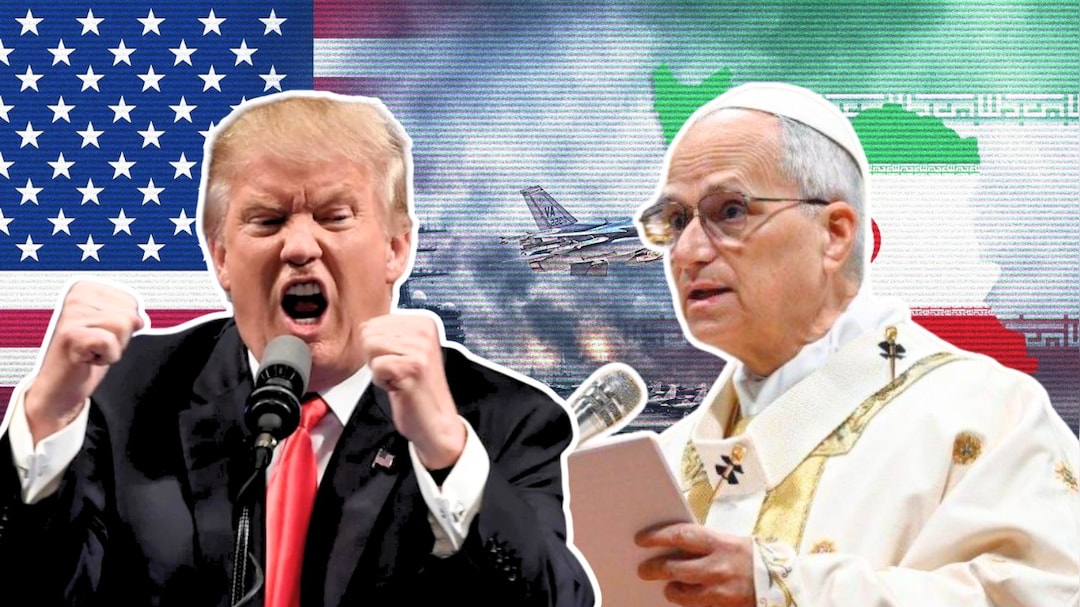
Relations between the United States and the Vatican have reportedly deteriorated to an unprecedented low, following the U.S. President's latest public statement directed at the Pope via Truth Social. This marks a new peak in a long-standing dispute that has touched upon significant global issues, including immigration policies and the Iran conflict. The use of a social media platform by the American head of state highlights a shift in diplomatic engagement, signaling a historic nadir in official communication and potentially broader implications for international affairs and religious diplomacy. The ongoing feud underscores deep ideological and policy differences.
Key Facts
-
Key Figures The incumbent U.S. President and the Pope are engaged in a public dispute.
-
Platform of Communication The U.S. President utilized Truth Social for recent public comments concerning the Pope.
-
Diplomatic Status Relations between Washington and the Vatican are described as being at a historic low point.
-
Historical Points of Contention Previous disagreements have involved U.S. immigration/deportation policies and the Iran conflict.
-
Date Context The situation is occurring on April 15, 2026, confirming the U.S. President's continued presence in office.
Impact
This ongoing public disagreement carries significant implications for international diplomacy and global affairs. The strained relationship between the U.S. and the Vatican could hinder cooperation on shared humanitarian goals, such as peace initiatives, poverty alleviation, and addressing the refugee crisis. Furthermore, it may complicate the United States' standing with predominantly Catholic nations and undermine the moral authority the Holy See often brings to international discussions. Domestically, the feud could further polarize political discourse within the United States, particularly among religious communities. Catholic voters, in particular, may find themselves caught between their faith leadership and political allegiance, potentially influencing electoral dynamics and social cohesion. The public nature of the dispute, played out on social media, also sets a precedent for how high-level international disagreements are conducted, potentially eroding traditional diplomatic protocols and increasing the risk of misinterpretation or escalation.
Key Insights
-
1
Shift in Diplomatic Engagement
The repeated use of a personal social media platform by the U.S. President for communicating on sensitive international matters, particularly with a global religious leader, signifies a departure from traditional diplomatic channels and norms.
-
2
Clash of Moral and Political Authority
The long-standing feud highlights a fundamental tension between the Pope's universal moral and ethical pronouncements on issues like immigration and peace, and the U.S. President's pragmatic or nationalistic policy decisions.
-
3
Exacerbation of Existing Tensions
The current 'historic nadir' is not an isolated event but rather an escalation rooted in prior disagreements concerning significant global issues, demonstrating a pattern of ideological divergence.
-
4
Influence of Digital Media on Geopolitics
Social media platforms are increasingly shaping the narrative and dynamics of international relations, enabling direct, unfiltered communication but also potentially amplifying conflict and reducing opportunities for nuanced negotiation.
Opportunities
The heightened tension, while problematic, presents opportunities for specific sectors. Platforms focused on providing unbiased, in-depth analysis of geopolitical and interfaith relations could see increased demand, as audiences seek clarity amidst contentious rhetoric. There is also a growing need for sophisticated data analytics tools capable of tracking and interpreting global sentiment on social media concerning international disputes, offering valuable insights for governments, NGOs, and think tanks. Furthermore, the erosion of traditional diplomatic channels highlights a potential space for innovative digital diplomacy tools or neutral online forums designed to facilitate communication and dialogue between high-level international actors. Technology companies focusing on secure, moderated communication platforms could emerge as key players in bridging divides where conventional methods falter, albeit with inherent challenges in securing trust and participation from all parties.
Risks & Challenges
The deepening rift between Washington and the Vatican poses several substantial risks on both the international and domestic fronts. Globally, it could weaken the collective ability to address pressing humanitarian crises, climate change, and conflicts, as two influential global actors find themselves at odds rather than in collaboration. The Vatican often plays a unique mediating role in international conflicts, and a compromised relationship with the U.S. could diminish its effectiveness in such endeavors, potentially exacerbating geopolitical instability. Domestically, the public nature of this feud risks further entrenching political and social divisions within the United States. It could fuel anti-establishment sentiments, erode public trust in both governmental and religious institutions, and potentially lead to real-world consequences from inflammatory online rhetoric. For American Catholics, it creates a challenging loyalty dilemma, potentially leading to internal strife within religious communities and increasing polarization during future political cycles.