
Yellowstone National Park Reports First Bear-Related Injuries of 2026 Season
NewsHub
May 06, 2026
1 min read
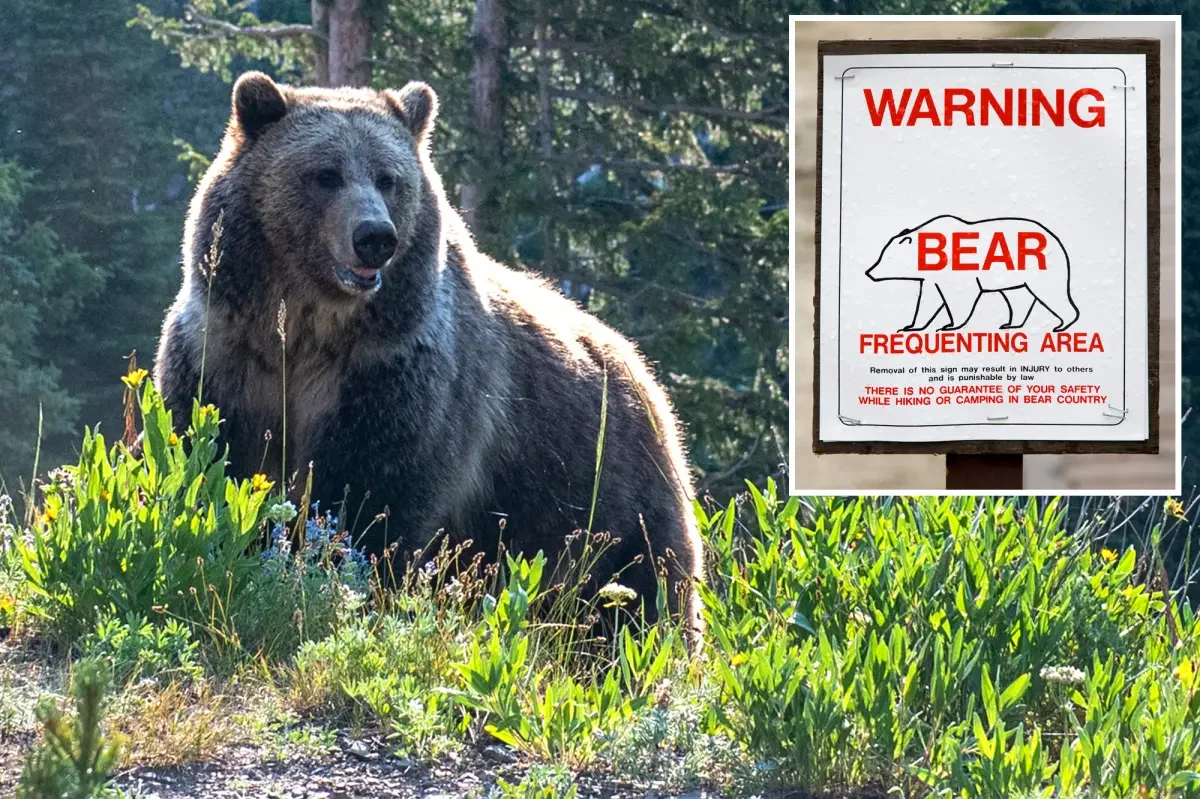
Yellowstone National Park confirmed on May 6, 2026, that two individuals sustained injuries in a bear encounter, marking the initial incident of its kind within the park for the current year. The attack occurred within park boundaries, underscoring the inherent risks associated with sharing wild spaces with native wildlife. Park officials are expected to provide further details as an investigation unfolds, likely reinforcing established safety protocols for visitors. This event serves as a timely reminder for all park-goers to remain vigilant and informed about bear activity.
Key Facts
-
Incident Date Reported May 6, 2026
-
Location Yellowstone National Park
-
Individuals Injured Two hikers
-
Nature of Incident Bear attack
-
Annual Context First reported bear injury incident in the park for 2026
Impact
This incident is likely to immediately impact visitor perception and behavior within Yellowstone National Park. There may be a temporary dip in visitation to certain areas, or an increased demand for guided tours that promise enhanced safety measures. Public anxiety regarding wildlife encounters could rise, prompting increased scrutiny of the park's existing safety protocols and communication strategies regarding bear awareness. For park management, the attack necessitates a review of current signage, educational materials, and possibly temporary trail closures in affected areas to ensure public safety. It could also trigger a reevaluation of wildlife monitoring efforts and response procedures for aggressive animals, balancing visitor protection with the park's conservation mission. Local tourism businesses might also experience short-term shifts as visitors adjust their plans or seek reassurance about safety.
Key Insights
-
1
Visitor Safety Awareness
The incident highlights the critical importance of visitor adherence to park guidelines, including carrying bear spray, maintaining safe distances from wildlife, and storing food properly to minimize human-wildlife conflict.
-
2
Wildlife Management Challenges
This event underscores the ongoing challenge for national parks to balance public access with wildlife conservation, particularly concerning large predators. Effective management requires constant adaptation to both human behavior and wildlife patterns.
-
3
Seasonal Preparedness
As spring transitions into summer, bear activity typically increases due to foraging needs. This early-season incident serves as a crucial reminder for park visitors and staff about heightened vigilance during peak activity periods.
Opportunities
The recent bear encounter presents several opportunities for technological and business innovation aimed at enhancing visitor safety and wildlife management. There is potential for the development and adoption of advanced, non-invasive wildlife detection systems, perhaps utilizing AI-powered cameras or acoustic sensors, to provide real-time alerts to park rangers and potentially even to visitors via smart device apps. This could also drive investment in improved digital mapping and communication platforms that integrate safety zones, recent wildlife sightings, and immediate alerts. From a business perspective, the demand for high-quality, effective bear safety gear (like bear spray and specialized food storage containers) is likely to increase. Additionally, there's an opportunity for guided tour operators to market 'enhanced safety' experiences, offering certified bear awareness training as part of their packages. Educational technology platforms could also emerge, providing immersive virtual reality training scenarios for park safety, preparing visitors for potential wildlife encounters before they even arrive.
Risks & Challenges
The most immediate risk following such an incident is a potential decline in public confidence regarding the safety of visiting Yellowstone National Park, which could impact tourism revenue and local economies dependent on park visitors. Negative media coverage, even if factual, can amplify these fears, potentially leading to calls for more stringent, and possibly detrimental, wildlife management interventions that could disrupt natural ecological processes. Long-term risks include the potential for increased human-wildlife conflict if visitor numbers continue to grow without commensurate improvements in safety education and enforcement. This could place undue stress on bear populations, leading to difficult decisions regarding animal relocation or, in extreme cases, euthanasia. There's also a risk of visitors becoming complacent over time, especially if incidents remain rare, necessitating continuous and innovative efforts to keep safety messaging fresh and impactful.
Source url: https://nypost.com/2026/05/05/us-news/2-hikers-injured-in-bear-attack-at-yellowstone-national-park/
Related Articles