
Congressional Map Redistricting Efforts Face Setbacks in Southern States
NewsHub
May 26, 2026
1 min read
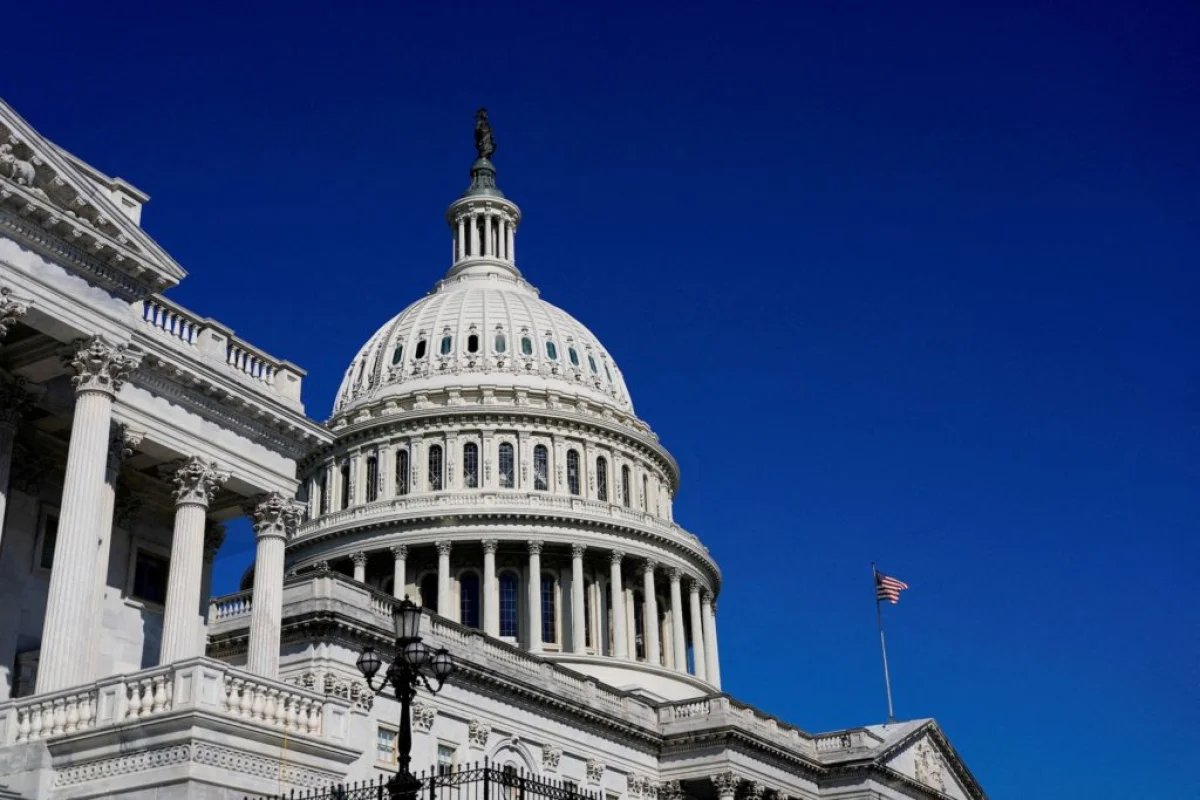
The South Carolina Senate has rejected a proposal to redraw congressional maps, aiming to preserve the state's only majority-Black district. Meanwhile, a federal court in Alabama has temporarily blocked a plan that would eliminate one of two majority-Black districts in the state. These developments highlight ongoing debates over voting district boundaries and their potential impact on representation.
Key Facts
-
State Involved South Carolina
-
Proposal Outcome Rejected
-
District Type Majority-Black
-
Federal Court Location Alabama
-
Number of Majority-Black Districts in Alabama 2
Impact
The rejection of the redistricting proposal in South Carolina and the temporary blockage of a similar plan in Alabama may have significant implications for voting rights and representation in these states. These decisions could influence the balance of power in congressional delegations and impact the ability of minority communities to elect representatives of their choice. Furthermore, these developments may set precedents for redistricting efforts in other states, potentially affecting the national political landscape.The preservation of majority-Black districts in these states could ensure that the voices of minority communities continue to be represented in Congress. However, the ongoing debates over redistricting also highlight the complexities and challenges involved in balancing competing interests and ensuring fair representation. As these issues continue to evolve, they may lead to further legal challenges and political controversies.The impact of these decisions will be closely watched by civil rights groups, political analysts, and lawmakers, as they navigate the intricate process of redistricting and its potential consequences for the electoral landscape. The outcomes in South Carolina and Alabama may serve as bellwethers for similar efforts in other states, shaping the course of future redistricting initiatives and the broader discussion around voting rights and representation.
Key Insights
-
1
Voting Rights
The decisions in South Carolina and Alabama underscore the ongoing struggles to protect and expand voting rights in the United States.
-
2
Redistricting Complexity
The redistricting process is fraught with legal, political, and social complexities, making it challenging to balance competing interests and ensure fair representation.
-
3
Representation and Democracy
The preservation of majority-Black districts is crucial for ensuring that the voices of minority communities are represented in Congress, which is essential for a healthy and functioning democracy.
Opportunities
The developments in South Carolina and Alabama present opportunities for technology companies to develop innovative solutions for redistricting, such as data analytics tools and mapping software. These solutions could help streamline the redistricting process, improve accuracy, and enhance transparency. Additionally, the ongoing debates over voting rights and representation may create opportunities for civic engagement platforms and advocacy groups to mobilize public support and promote awareness about these issues.The use of technology in redistricting could also facilitate more nuanced and data-driven approaches to boundary drawing, potentially leading to more equitable and representative district maps. Furthermore, the growing demand for transparent and accountable redistricting processes may drive innovation in areas like blockchain-based voting systems and collaborative mapping platforms, which could help build trust and ensure the integrity of the electoral process.
Risks & Challenges
The rejection of the redistricting proposal in South Carolina and the temporary blockage of a similar plan in Alabama may lead to further legal challenges and political controversies, potentially creating uncertainty and instability in the electoral landscape. The ongoing debates over voting rights and representation may also lead to increased polarization and social unrest, as different groups and interests vie for influence and power.The risks associated with redistricting efforts are not limited to the political realm; they also have significant social and economic implications. The manipulation of district boundaries can lead to the dilution of minority voting power, potentially disenfranchising marginalized communities and limiting their access to resources and opportunities. Furthermore, the use of gerrymandering and other tactics to manipulate electoral outcomes can erode trust in the democratic process, undermining the legitimacy of institutions and the rule of law.
Source url: https://www.pbs.org/newshour/show/news-wrap-south-carolina-senate-rejects-redistricting-push