
Iranian Leader Offers Reassurance on Nuclear Ambitions
NewsHub
May 24, 2026
1 min read
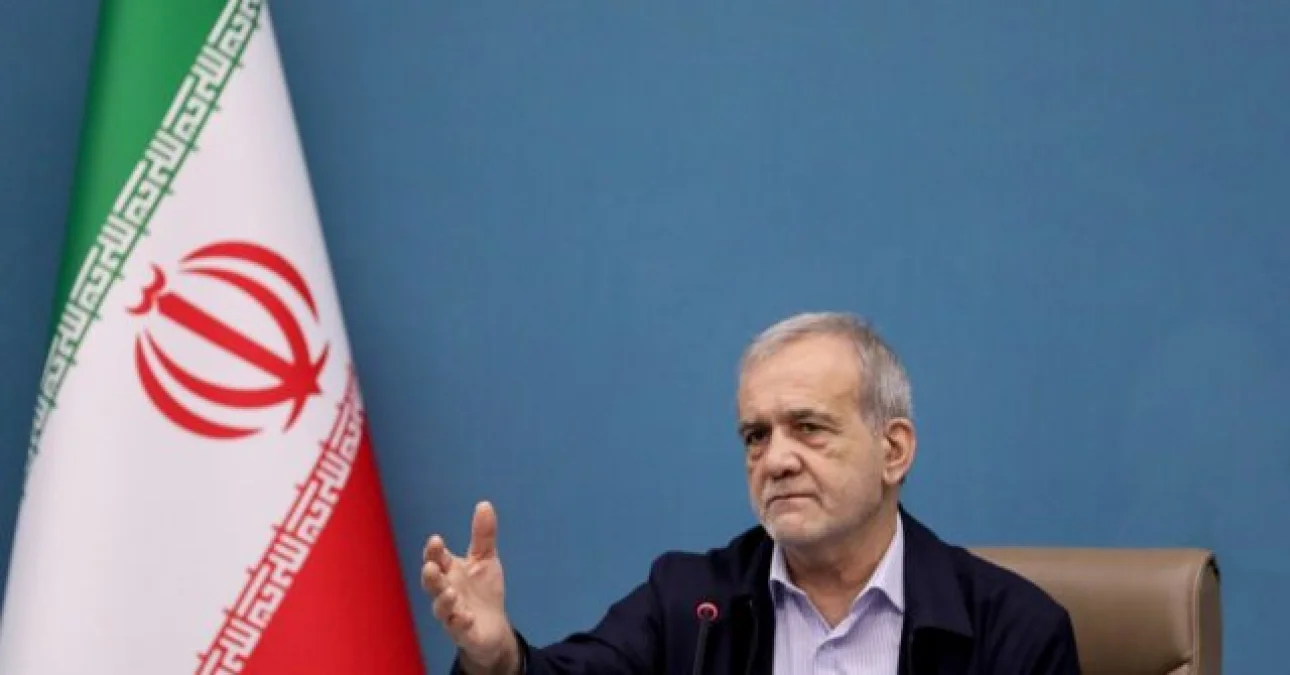
Iran's President has expressed willingness to prove to the global community that the country does not intend to develop nuclear weapons, in an effort to alleviate concerns and potentially ease tensions. This move could have significant implications for international relations and global security. The statement comes at a time when the world is closely watching Iran's actions and intentions regarding its nuclear program.
Key Facts
-
Country Iran
-
Leader's Statement Not seeking nuclear weapons
-
Global Implication Potential easing of international tensions
Impact
The Iranian President's statement could lead to a shift in the global perception of Iran's nuclear ambitions, potentially influencing the stance of other nations and international organizations. This, in turn, might impact diplomatic relations, economic sanctions, and global security strategies. Furthermore, such a declaration could pave the way for renewed negotiations and cooperation on nuclear non-proliferation, contributing to a more stable international environment. The reassurance offered by Iran's leader may also affect the dynamics within the region, possibly leading to increased dialogue and collaboration among neighboring countries. It could also have implications for the global non-proliferation regime, as it might set a precedent for other nations to follow suit in transparently declaring their nuclear intentions. The international community's response to Iran's statement will be crucial in determining the next steps. If the statement is met with skepticism, it could lead to further isolations and sanctions, whereas a positive response could open up new avenues for diplomatic engagement and cooperation.
Key Insights
-
1
Geopolitical
Potential for reduced tensions in the Middle East
-
2
Diplomatic
Opportunity for renewed international cooperation on non-proliferation
-
3
Security
Impact on global strategies for preventing nuclear proliferation
Opportunities
The situation presents opportunities for technology companies specializing in nuclear monitoring and verification. Advanced technologies such as artificial intelligence and satellite imaging could play a crucial role in ensuring compliance with non-proliferation agreements. Additionally, companies involved in renewable energy might see increased demand as nations look to diversify their energy sources and reduce dependence on nuclear power. The diplomatic efforts surrounding Iran's nuclear program could also create opportunities for consulting firms and experts in international relations, as countries seek advice on navigating the complex geopolitical landscape.
Risks & Challenges
Despite the positive overtures, there are significant risks associated with Iran's nuclear program. One of the primary concerns is the potential for clandestine activities, where Iran might continue to pursue nuclear weapons development in secret. This risk is exacerbated by the challenges in effectively monitoring and verifying compliance with non-proliferation agreements. Another risk is the reaction from other nations, particularly those in the region, which might view Iran's statement with skepticism and potentially escalate tensions. This could lead to a destabilization of the region, impacting global oil prices and triggering a broader conflict. The international community must carefully balance the approach to Iran, encouraging transparency and cooperation while maintaining vigilance against potential deceit.
Related Articles