Maine Senate Candidate Embroiled in Controversy Over Remarks About Wounded Veteran
NewsHub
May 24, 2026
1 min read
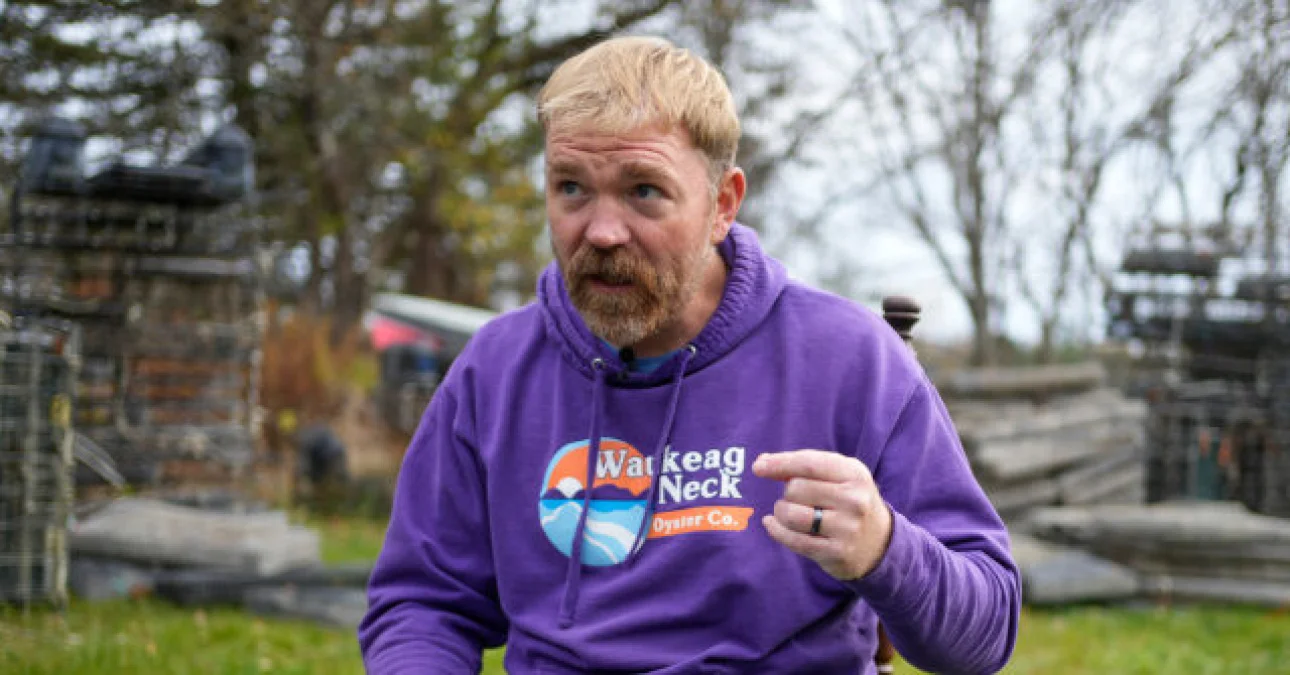
A Democratic candidate for the Maine Senate is facing backlash after refusing to apologize for mocking a wounded soldier. The incident has sparked outrage and raised questions about the candidate's character and suitability for public office. The controversy centers around a video that appears to show the candidate denigrating the soldier, with no apology forthcoming despite widespread criticism.
Key Facts
-
Candidate Name Graham Platner
-
Office Sought Maine Senate
-
Nature of Controversy Mocking a wounded soldier
-
Candidate's Response Refusal to apologize
Impact
The controversy surrounding the candidate's remarks is likely to have significant implications for their campaign. The refusal to apologize may be seen as a sign of insensitivity and poor judgment, potentially alienating voters and damaging the candidate's reputation. Furthermore, the incident may also have broader implications for the Democratic party, potentially affecting its image and credibility in the eyes of the public. The incident has also sparked a wider debate about the importance of respecting and honoring the sacrifices of military personnel. Many have expressed outrage and disappointment at the candidate's remarks, emphasizing the need for public figures to demonstrate empathy and understanding towards those who have served their country. As the controversy continues to unfold, it remains to be seen how the candidate will respond and whether they will ultimately apologize for their remarks. The incident serves as a reminder of the importance of thoughtful and considerate communication in public life, particularly when it comes to sensitive issues like the treatment of military personnel.
Key Insights
-
1
Character and Leadership
The controversy raises questions about the candidate's character and leadership abilities, highlighting the importance of empathy and judgment in public office
-
2
Public Perception
The incident may significantly impact public perception of the candidate and the Democratic party, potentially influencing voter decisions and election outcomes
-
3
Crisis Management
The candidate's refusal to apologize may be seen as a misstep in terms of crisis management, underscoring the need for swift and effective responses to controversies
Opportunities
The controversy surrounding the candidate's remarks may create opportunities for other candidates or political parties to capitalize on the situation. By emphasizing their own commitment to respecting and honoring military personnel, they may be able to attract voters who are disillusioned with the embattled candidate. Additionally, the incident may also highlight the importance of social media and online platforms in shaping public discourse and holding public figures accountable. The controversy may also lead to increased scrutiny of candidates' social media activities and public statements, creating opportunities for fact-checking and media analysis services to provide valuable insights and context to voters.
Risks & Challenges
The controversy poses significant risks to the candidate's campaign and reputation, potentially leading to a loss of voter support and credibility. The refusal to apologize may be seen as a sign of stubbornness or insensitivity, further exacerbating the situation. Moreover, the incident may also have broader implications for the Democratic party, potentially damaging its image and credibility in the eyes of the public. The controversy also poses risks to the candidate's mental and emotional well-being, as the intense scrutiny and criticism may take a toll on their personal and professional life. The situation may also create risks for other candidates or public figures who may be seen as associated with the embattled candidate, potentially leading to a ripple effect of controversy and criticism.
Background
The controversy surrounding the candidate's remarks is not an isolated incident, but rather part of a broader pattern of controversy and scandal in politics. The incident highlights the importance of character and judgment in public office, as well as the need for public figures to demonstrate empathy and understanding towards vulnerable groups. The use of social media and online platforms has also created new challenges and risks for public figures, who must navigate the complexities of online discourse and avoid controversies that can quickly go viral. The incident also reflects the intense polarization and partisanship of contemporary politics, where controversies and scandals can quickly become politicized and exploited for partisan gain. The controversy surrounding the candidate's remarks may be seen as a symptom of a broader disease, highlighting the need for greater civility, respect, and empathy in public discourse.
Related Articles