Middle East: US, Israel, Iran Agree Two-Week Ceasefire, Averting Immediate Conflict
The Associated Press
Apr 08, 2026
15 min read
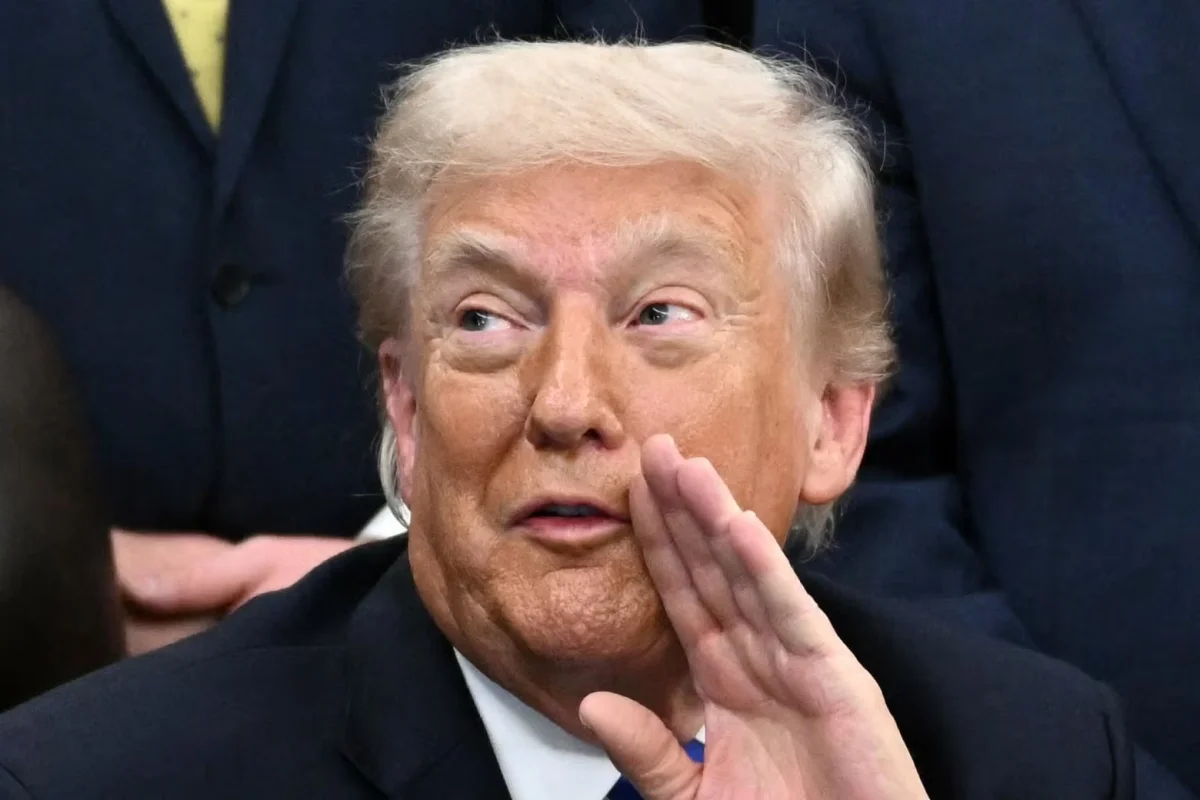
On April 7, 2026, a crucial two-week ceasefire agreement was reached between Iran, the United States, and Israel, temporarily diffusing escalating tensions. The eleventh-hour deal successfully averted a threatened extensive bombing campaign by U.S. President Donald Trump against Iran, which had heightened fears of a broader regional conflict. This agreement provides a brief window for de-escalation and potential diplomatic follow-up, offering immediate relief from a potentially devastating military confrontation and underscoring the volatile nature of Middle Eastern geopolitics.
Key Facts
-
Agreement Parties Iran, United States, Israel
-
Ceasefire Duration Two weeks
-
Agreement Date April 7, 2026
-
Averted Threat Extensive US bombing campaign against Iran
-
US President Donald Trump
-
Immediate Outcome De-escalation of regional conflict risk
Impact
The immediate impact is a significant reduction in the likelihood of military confrontation, offering a critical respite for regional stability. This temporary de-escalation could help stabilize global oil markets and ease investor jitters, which typically react sharply to Middle Eastern conflicts. Politically, President Trump might leverage this diplomatic breakthrough to reinforce his administration's approach to foreign policy, demonstrating a capacity to exert pressure and then achieve temporary resolutions.
Key Insights
-
1
Volatile Geopolitics
The swift shift from imminent military action to a ceasefire highlights the extreme volatility and delicate balance of power in the Middle East.
-
2
Crisis Diplomacy Efficacy
The agreement underscores the potential for last-minute diplomatic interventions to avert catastrophic conflicts, even amidst high-stakes threats.
-
3
US Leverage and Strategy
President Trump's willingness to issue strong threats, followed by a negotiated pause, suggests a calculated strategy aimed at compelling adversaries to the negotiating table, or at least to a temporary truce.
-
4
Fragile Stability
While providing immediate relief, the two-week duration emphasizes the fragile nature of this resolution, implying that underlying issues remain largely unaddressed.
Opportunities
This temporary truce opens a narrow window for diplomatic channels to deepen, potentially leading to discussions on extending the ceasefire or addressing core disagreements. For energy markets, a sustained period of calm could see prices stabilize, creating opportunities for clearer investment strategies. Furthermore, humanitarian organizations might find improved access and conditions to operate within the region, preparing for potential future needs or addressing existing ones without immediate conflict threat.
Risks & Challenges
The primary risk is the expiration of the two-week ceasefire without a more permanent solution or extension, leading to renewed hostilities. There is also the danger of either side misinterpreting the other's actions during the truce, or hardline factions attempting to undermine the agreement, triggering a premature breakdown. Additionally, the underlying issues that provoked the initial threats, such as Iran's nuclear program or regional influence, remain unresolved, posing a persistent threat once the temporary calm subsides. A failure to capitalize on this diplomatic opening could further entrench mistrust and harden positions, making future de-escalation efforts more challenging. Furthermore, the precedent set by issuing threats followed by a truce could be seen as a viable tactic for future crises, potentially leading to more frequent periods of extreme tension and uncertainty rather than sustained peace.
Source url: https://www.houstonchronicle.com/news/article/the-latest-trump-pulls-back-on-threats-as-us-22194980.php
Related Articles