Nobel winner says Trump's new 'motive' admission will make war crimes trial 'no problem'
NewsHub
Apr 07, 2026
1 min read
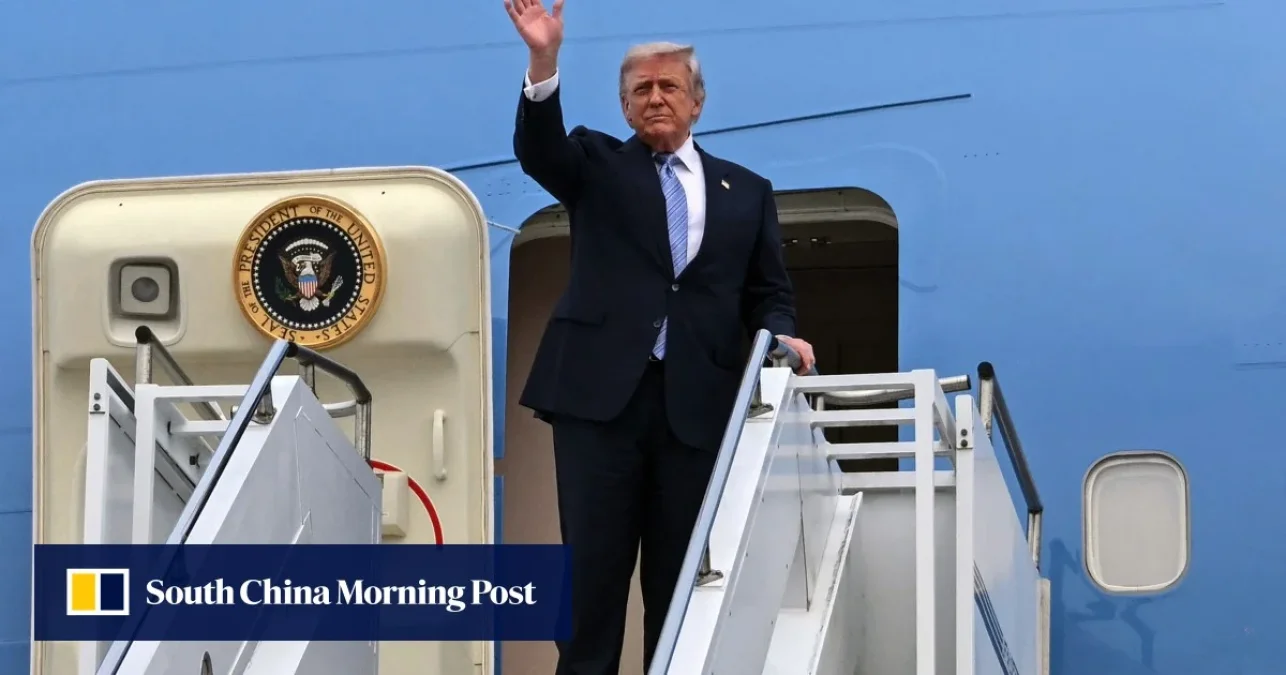
Renowned economist and Nobel Prize recipient Paul Krugman has issued a stark warning regarding former President Donald Trump's recent incendiary remarks, particularly a declaration that "a whole civilization will die tonight" amidst escalating tensions with Iran. Krugman contends that such extreme language, made in the context of the ongoing conflict, could significantly complicate any future legal proceedings against Trump, potentially making war crimes trials a straightforward matter for prosecutors.
Key Facts
-
Economic Analyst's Concern Nobel laureate Paul Krugman expressed apprehension.
-
Trump's Statement Highlighted Former President Trump's declaration of potential widespread destruction in Iran was cited.
-
Legal Ramifications Discussed Krugman suggested Trump's words could simplify war crimes trials.
-
Publication Platform Krugman's analysis was shared via his Substack newsletter.
Impact
The immediate impact of Krugman's commentary is the amplification of concerns surrounding the potential legal exposure of former President Trump. By framing Trump's aggressive rhetoric as a potential admission of intent or motive, Krugman suggests that any future legal challenges regarding actions taken during the Iran conflict could be significantly less complex for prosecuting bodies. This could embolden international legal organizations or domestic authorities to pursue charges, as the evidence of intent might be considered self-evident from Trump's own pronouncements.
Key Insights
-
1
Legal Strategy
Trump's public statements may inadvertently provide prosecutors with direct evidence of intent.
-
2
International Law Implications
The rhetoric could be interpreted as a direct threat or prelude to actions that violate international humanitarian law.
-
3
Political Commentary on War
High-profile figures are using economic and legal frameworks to critique political decision-making in conflict zones.
Opportunities
This situation presents an opportunity for legal scholars and international relations experts to further analyze the intersection of political rhetoric and international law. It could spur greater public discourse on the ethical responsibilities of world leaders during times of geopolitical instability. Furthermore, it might encourage the development of more robust international legal frameworks and enforcement mechanisms that can effectively address threats of mass destruction and hold individuals accountable, regardless of their political standing.
Risks & Challenges
A significant risk lies in the potential for Trump's statements to normalize aggressive and potentially illegal discourse from political leaders. This could erode international norms and conventions designed to prevent conflict and protect civilian populations. Furthermore, if legal proceedings are indeed simplified due to these admissions, it could lead to a more volatile global political climate, where leaders perceive fewer consequences for extreme threats, potentially increasing the likelihood of actual conflict. The perception of impunity for such rhetoric could embolden other actors on the global stage.
Related Articles