
Taiwan's Defense Strategy: Lessons from Iran's Wartime Experience
NewsHub
Apr 12, 2026
1 min read
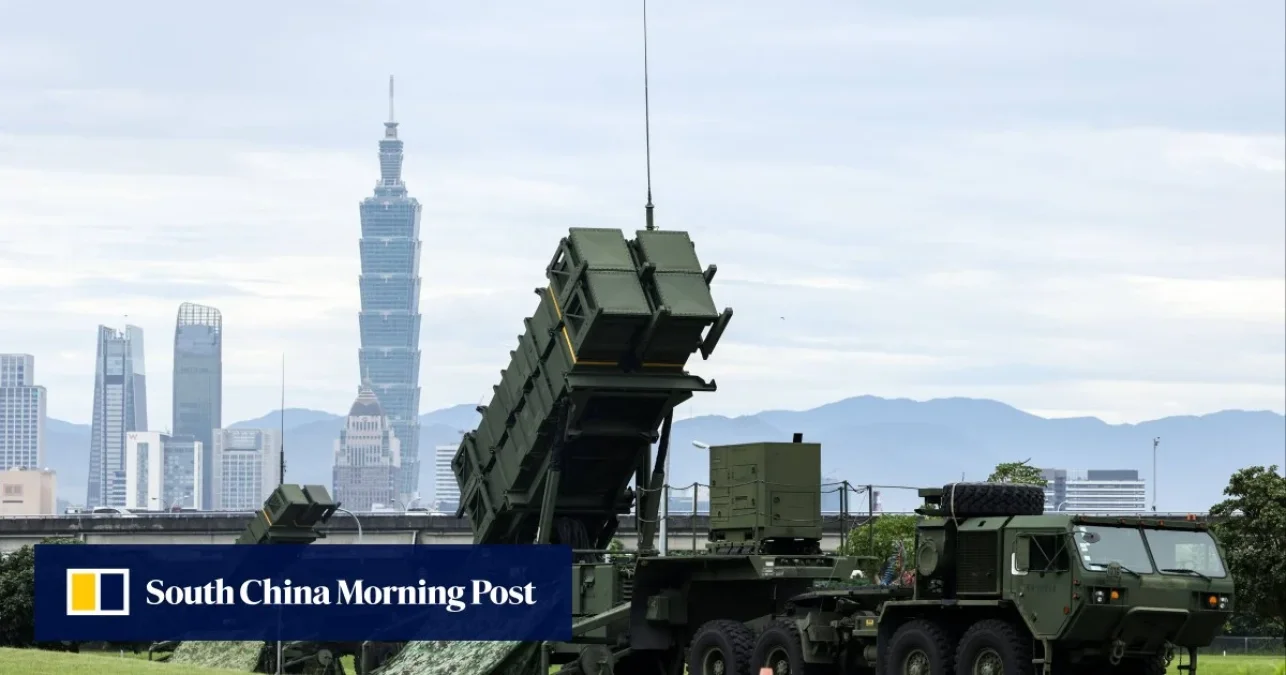
The recent conflict has sparked concerns about Taiwan's ability to withstand a potential attack from the People's Liberation Army. Iran's wartime resilience offers valuable insights into the importance of robust air defenses and strategic military planning. As Taiwan assesses its defense capabilities, it must consider the implications of a targeted assault on its air defenses and develop effective countermeasures.
Key Facts
-
Country Involved Taiwan
-
Potential Aggressor People's Liberation Army (PLA)
-
Key Concern Air Defense Systems
Impact
A potential attack on Taiwan's air defenses could have significant implications for the island's national security. The ability to maintain air superiority would be crucial in repelling an invasion. Furthermore, the economic and humanitarian consequences of such an attack could be devastating, with potential disruptions to global trade and regional stability. The impact of a targeted assault on Taiwan's air defenses would also depend on the effectiveness of its military planning and strategic alliances. The island's ability to respond to an attack would be influenced by its relationships with other nations and its capacity to mobilize international support. In the event of an attack, Taiwan's wartime resilience would be tested, and its ability to adapt to changing circumstances would be crucial. The island's military leaders would need to assess the situation rapidly and respond with effective countermeasures to mitigate the impact of the attack.
Key Insights
-
1
Military Strategy
Robust air defenses and strategic military planning are critical components of a nation's defense capabilities
-
2
International Relations
Diplomatic alliances and international cooperation can play a significant role in deterring aggression and responding to attacks
-
3
Economic Factors
The economic consequences of a potential attack could be severe, emphasizing the need for contingency planning and risk management
Opportunities
The current situation presents opportunities for Taiwan to reassess its defense strategy and invest in cutting-edge technologies to enhance its air defense systems. The island could explore collaborative partnerships with other nations to develop innovative solutions and strengthen its military capabilities. By leveraging advancements in fields like artificial intelligence and cybersecurity, Taiwan could improve its ability to detect and respond to potential threats. Additionally, the situation highlights the importance of international cooperation and diplomacy in preventing conflicts. Taiwan could engage in strategic dialogue with other nations to promote regional stability and foster a collective commitment to peace and security.
Risks & Challenges
The risks associated with a potential attack on Taiwan's air defenses are substantial, with potential consequences for regional stability and global trade. The island's economy could be severely impacted, and the humanitarian consequences of an attack could be devastating. Furthermore, the situation could escalate into a broader conflict, drawing in other nations and posing significant risks to international peace and security. The risks are not limited to the immediate consequences of an attack; they also extend to the potential long-term implications for Taiwan's national security and sovereignty. The island's ability to maintain its independence and autonomy could be compromised, and its relationships with other nations could be strained.