
Trump Is Attacking Iranians, Not Just Iran
NewsHub
Apr 07, 2026
1 min read
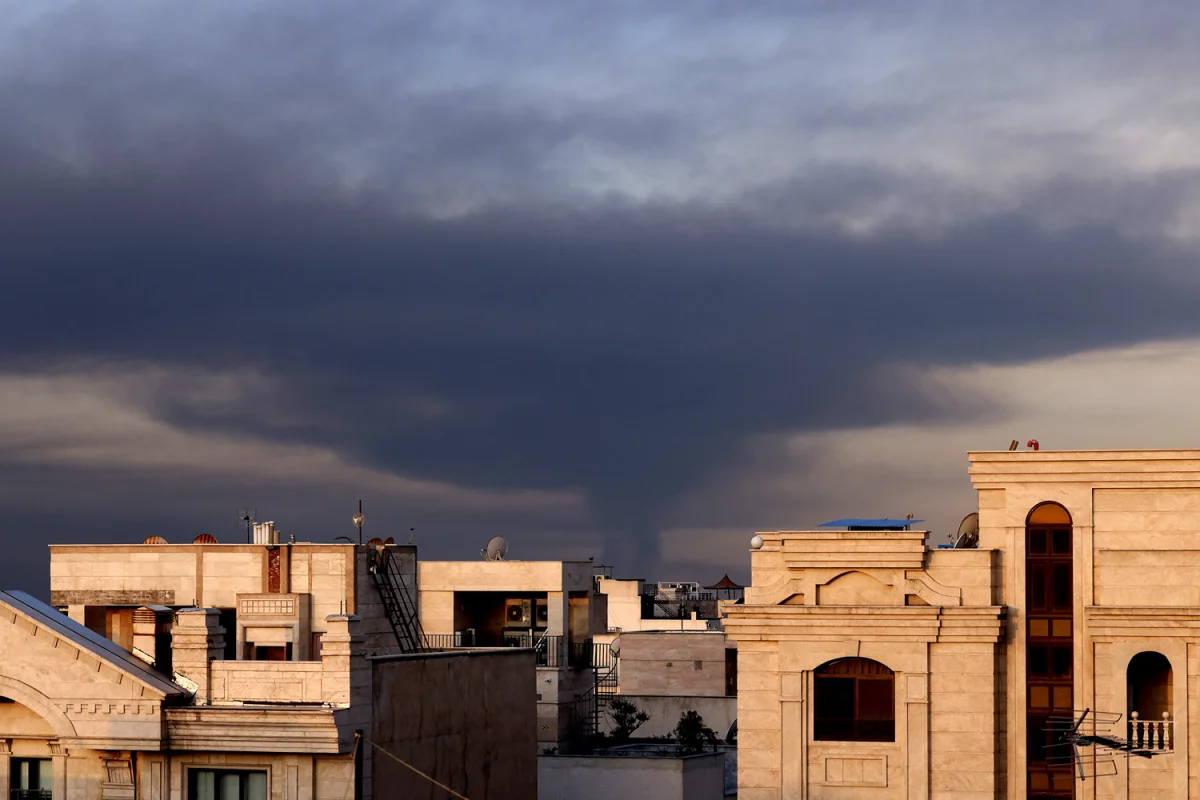
Analysis of recent US foreign policy actions indicates a significant impact on the civilian population of Iran, extending beyond direct military or governmental targets. Reports suggest that the disruption of key infrastructure, a common tactic in such geopolitical maneuvers, is leading to unintended but severe humanitarian consequences. This raises concerns about the broader ethical and practical implications of current strategies, as the livelihoods and well-being of ordinary Iranian citizens appear to be disproportionately affected. The focus of these actions seems to be causing widespread distress among the populace.
Key Facts
-
Primary Focus of US Actions Appears to extend to the Iranian populace.
-
Method of Impact Destruction of infrastructure.
-
Consequence of Infrastructure Damage Loss of civilian life.
-
Distinction from State Targeting Actions are not exclusively aimed at governmental or military entities.
Impact
The current approach, characterized by the degradation of essential services and public utilities, is directly impacting the daily lives of millions of Iranians. Beyond the immediate threat to life due to damaged infrastructure, these actions can lead to long-term societal instability, exacerbating existing economic hardships and potentially fueling resentment. The interconnectedness of modern infrastructure means that attacks on one sector can have cascading effects on others, from healthcare to food supply, creating a dire humanitarian situation.
Key Insights
-
1
Ethical Considerations
The collateral damage to civilian populations raises significant ethical questions regarding the proportionality and necessity of the methods employed.
-
2
Strategic Effectiveness
While intended to pressure the Iranian state, the widespread suffering of its citizens could paradoxically strengthen nationalistic sentiments or create new challenges for future diplomatic engagement.
Opportunities
For humanitarian organizations, there is a critical need for increased aid and support to alleviate the suffering of the Iranian people. This could involve advocating for humanitarian corridors, providing essential medical supplies, and supporting independent media that can report on the ground realities. Technologically, there may be opportunities for secure communication platforms and decentralized information networks to counter disinformation and ensure reliable access to vital information for the population.
Risks & Challenges
The primary risk lies in the potential for escalation and unintended consequences. The suffering of ordinary citizens could be exploited by extremist elements, both domestically and internationally, to further destabilize the region. Furthermore, a sustained humanitarian crisis can lead to mass displacement and migration, creating new geopolitical challenges and security concerns for neighboring countries and global powers. The erosion of trust in international actors could also hinder future diplomatic efforts.
Source url: https://foreignpolicy.com/2026/04/07/trump-iran-infrastructure-war-crimes-israel/
Related Articles