US Defense Secretary's Iran Conflict Assessment Under Scrutiny
NewsHub
Apr 07, 2026
1 min read
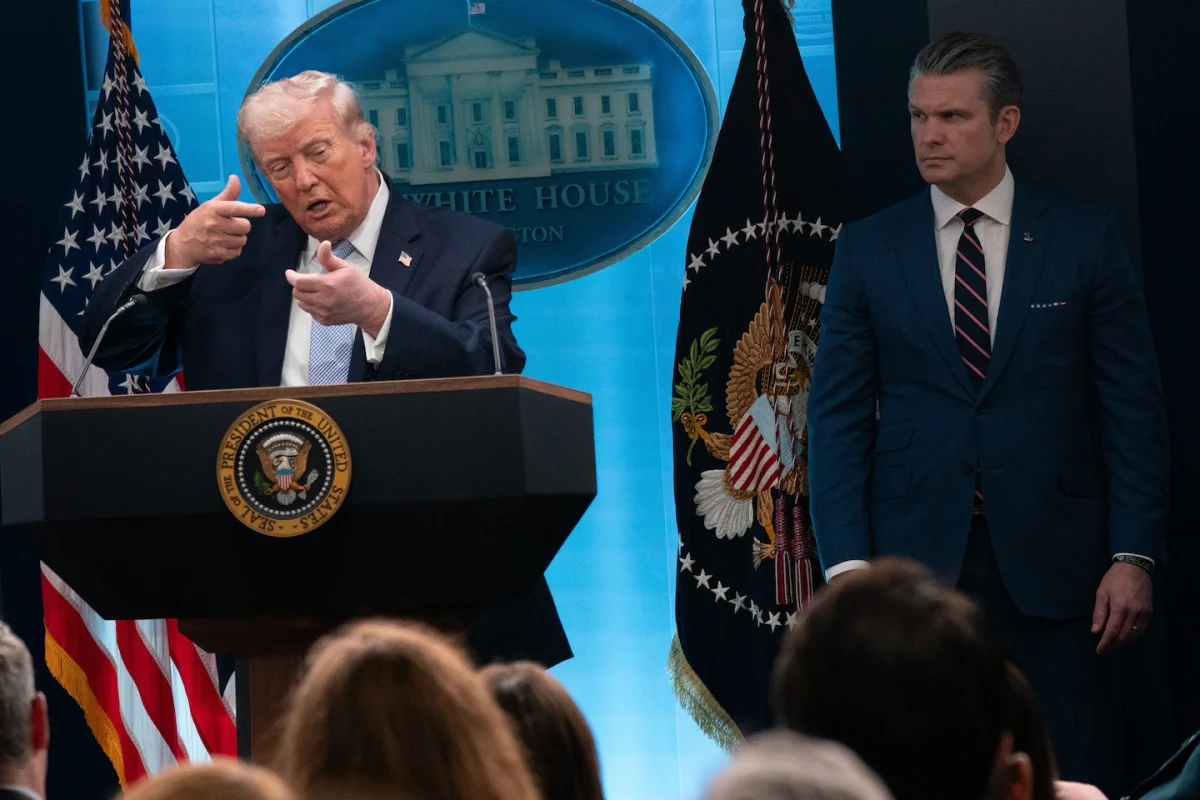
A recent assessment of the US involvement in the Iran conflict by the defense secretary has raised concerns among observers. The overly positive portrayal of US success in the conflict may mislead the public and the president, potentially hindering informed decision-making. Officials and experts worry that this rosy outlook contradicts the reality on the ground, which could have significant implications for future policy decisions.
Key Facts
-
Defense Secretary's Assessment Overly positive
-
Conflict Reality Contradicts defense secretary's assessment
-
Observers' Concerns Risk of misinforming the public and president
Impact
The potential misrepresentation of the conflict's progress may lead to poorly informed decisions, affecting US interests and regional stability.
Key Insights
-
1
Geopolitical Implications
The conflict's outcome may impact US relationships with regional allies and adversaries
-
2
National Security
Accurate assessments are crucial for effective policy decisions and national security
Opportunities
The situation presents an opportunity for the development of more advanced and accurate conflict assessment tools, utilizing AI and data analytics to provide a more nuanced understanding of complex conflicts. This could lead to the creation of new technologies and methodologies for assessing and predicting conflict outcomes, ultimately enhancing national security and informed decision-making.
Risks & Challenges
The risks associated with the defense secretary's assessment are multifaceted. Firstly, the misrepresentation of the conflict's progress may lead to a loss of public trust in government institutions and the military. Secondly, inaccurate assessments may result in poorly informed decisions, potentially exacerbating the conflict and destabilizing the region. The potential consequences of these risks are far-reaching, with implications for regional and global security. The conflict's outcome may have a significant impact on US interests, relationships with allies, and the global balance of power. Furthermore, the risks may also affect the US economy, as prolonged conflicts often lead to increased military spending and economic instability.
Background
The US involvement in the Iran conflict is a complex and multifaceted issue, with deep historical roots. The conflict has been ongoing for several years, with multiple parties involved and various interests at play. Understanding the conflict's background is essential for grasping the implications of the defense secretary's assessment and the potential risks and opportunities that arise from it. The conflict has significant regional and global implications, with the potential to impact US relationships with allies and adversaries alike. The US has a long history of involvement in the region, with various military interventions and diplomatic efforts aimed at promoting stability and protecting US interests. The current conflict is a continuation of this complex and often contentious history, with the US seeking to balance its interests with the need to promote regional stability and security.