
Ancient Ethiopian Discovery Sheds Light on Early Human Funeral Practices
NewsHub
May 24, 2026
1 min read
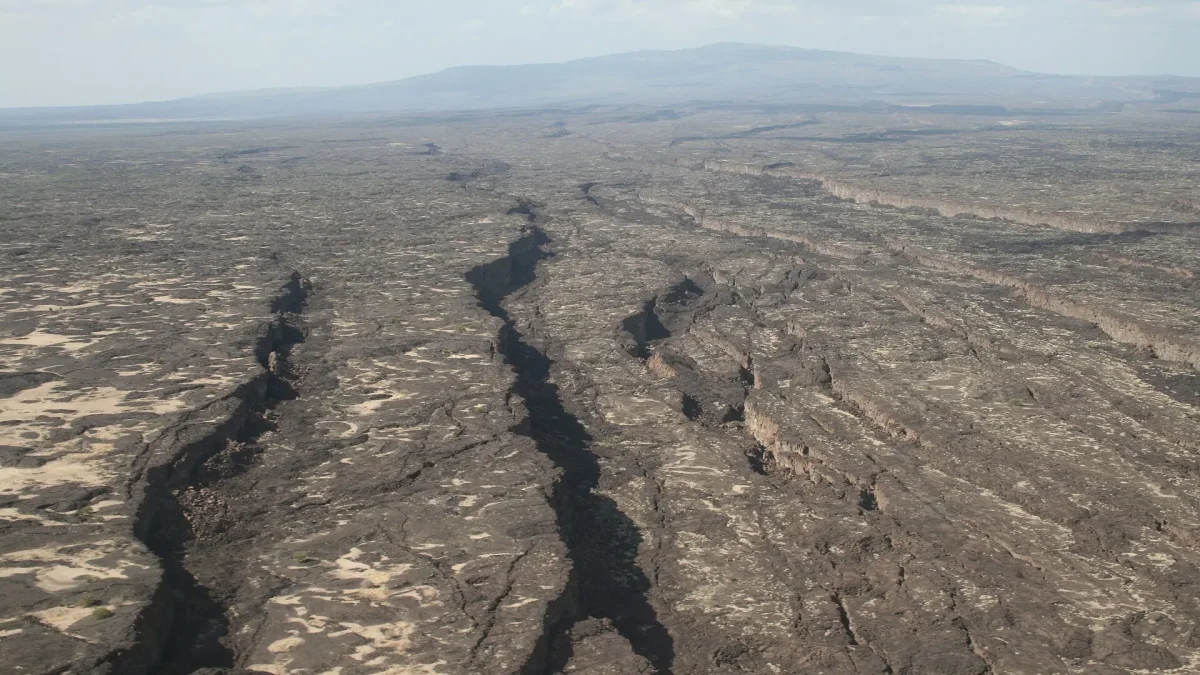
Researchers in Ethiopia's Afar Rift have made a groundbreaking discovery, unearthing evidence of a 100,000-year-old cremation site. This find provides a unique glimpse into the lives and death rituals of early Homo sapiens, offering insights into the evolution of human culture and society. The open-air site has yielded rare and significant artifacts, shedding light on the practices of our ancient ancestors.
Key Facts
-
Age of Remains 100,000 years
-
Location Afar Rift, Ethiopia
-
Type of Discovery Cremation site
-
Significance Oldest known human cremation
Impact
The discovery of this ancient cremation site has significant implications for our understanding of human history and the development of funeral practices. It suggests that early Homo sapiens had a level of cognitive and cultural sophistication that allowed them to develop complex rituals and traditions surrounding death. This, in turn, has important implications for our understanding of human evolution and the emergence of modern human societies.The find also highlights the importance of interdisciplinary research and collaboration in advancing our knowledge of human history. By combining archaeological, anthropological, and scientific techniques, researchers have been able to reconstruct a detailed picture of life and death in ancient Ethiopia.Furthermore, the discovery has the potential to challenge existing theories and assumptions about the origins of human culture and society. As researchers continue to analyze the artifacts and data from the site, they may uncover new insights that shed light on the complexities and nuances of human history.
Key Insights
-
1
Cultural Significance
The discovery highlights the importance of death rituals in human culture and society
-
2
Evolutionary Implications
The find suggests that early Homo sapiens had a level of cognitive and cultural sophistication
-
3
Research Methodology
The study demonstrates the value of interdisciplinary research and collaboration
Opportunities
The discovery of this ancient cremation site presents opportunities for further research and exploration. With the use of advanced technologies such as 3D scanning and virtual reality, researchers can create detailed reconstructions of the site and its artifacts, allowing for a more immersive and engaging experience for the public. Additionally, the find highlights the potential for Ethiopia to become a hub for archaeological and anthropological research, attracting scholars and tourists from around the world.The discovery also presents opportunities for businesses and organizations involved in the preservation and conservation of cultural heritage sites. As the site is likely to attract significant attention and interest, there will be a need for specialized services and expertise to ensure its protection and conservation for future generations.
Risks & Challenges
The discovery of the ancient cremation site also poses risks and challenges, particularly in terms of preservation and conservation. As the site is located in a remote and arid region, it may be vulnerable to environmental degradation and damage. Additionally, the site may be at risk from looting and vandalism, which could result in the loss of valuable artifacts and data.Furthermore, the discovery may also raise ethical and cultural concerns, particularly in relation to the treatment and display of human remains. As the site is of significant cultural and historical importance, it will be essential to ensure that any excavation, conservation, or display of the site is carried out in a respectful and sensitive manner, taking into account the concerns and values of local communities and stakeholders.
Source url: https://interestingengineering.com/culture/oldest-cremation-on-earth