
Apple's iPhone Division Reports Record $57 Billion Revenue Despite Persistent Chip Supply Challenges
NewsHub
Apr 30, 2026
1 min read
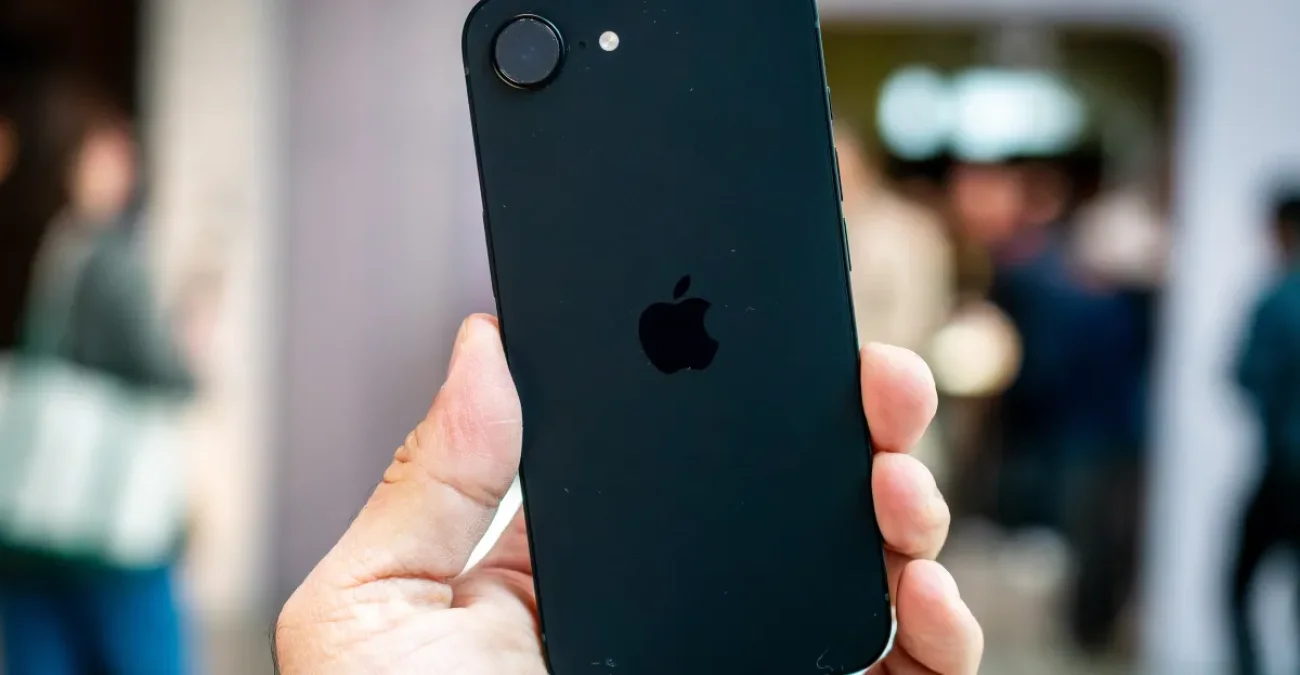
Apple's iPhone segment demonstrated exceptional financial performance, securing a record $57 billion in revenue for the recent period. This significant achievement underscores robust global consumer demand for its flagship smartphone devices, even as the technology sector continues to navigate a complex landscape of semiconductor supply constraints. The strong results highlight Apple's strategic prowess in managing its extensive supply chain and prioritizing component allocation, ensuring product availability amidst ongoing industry-wide component scarcity. This solidifies the company's dominant position within the premium smartphone market and reflects effective operational management.
Key Facts
-
iPhone Revenue $57 billion
-
Quarterly Performance Achieved record revenue
-
Operational Context Overcame persistent chip shortages
Impact
This strong financial showing by Apple's iPhone division is likely to bolster investor confidence, potentially leading to positive movements in the company's stock valuation. It reaffirms Apple's resilient business model and its ability to not only withstand but thrive amidst challenging operational environments. The results also send a clear signal to competitors, emphasizing the enduring strength of Apple's brand loyalty and ecosystem, potentially intensifying pressure on rivals to innovate and secure their own supply chains more effectively. Furthermore, these impressive figures have broader implications for the global technology industry. They demonstrate the continued robust demand for high-end consumer electronics, suggesting that disposable income for premium devices remains strong despite potential economic headwinds. The success story also offers valuable lessons in supply chain management and resilience, highlighting the importance of strategic partnerships, diversified sourcing, and proactive inventory management in an era prone to disruptions.
Key Insights
-
1
Consumer Demand Resilience
Sustained high global demand for premium smartphones.
-
2
Supply Chain Mastery
Apple's demonstrated capability to mitigate and navigate complex component shortages.
-
3
Brand Strength
Enduring power of the Apple brand and ecosystem to drive sales.
-
4
Operational Efficiency
Effective allocation of scarce resources and efficient production processes.
Opportunities
For Apple, this robust performance opens avenues for further expansion, particularly in emerging markets where smartphone penetration continues to grow. The strong revenue stream provides capital for intensified research and development into next-generation technologies, such as advanced AI integration, augmented and virtual reality experiences, and potentially new device categories that leverage the existing iPhone ecosystem. It also reinforces the value proposition of its growing services segment, which benefits directly from a larger, engaged iPhone user base. Beyond Apple, the consistent demand for high-end components creates significant opportunities for semiconductor manufacturers and specialized component suppliers. Companies that can reliably deliver cutting-edge chips, displays, and sensors, even in constrained environments, stand to gain substantial business. Moreover, logistics and supply chain optimization firms may find increased demand for their expertise as companies across the tech sector seek to build more resilient and efficient operational frameworks in light of ongoing global disruptions.
Risks & Challenges
Despite the current success, Apple faces several inherent risks. An over-reliance on the iPhone for a significant portion of its revenue makes the company vulnerable to shifts in consumer preferences, intense competition, or market saturation in key regions. Prolonged global economic slowdowns or inflationary pressures could eventually curb consumer spending on premium devices, impacting future sales volumes. Furthermore, ongoing geopolitical tensions and trade disputes could exacerbate existing supply chain vulnerabilities, potentially leading to higher production costs or delayed product launches. Another significant risk stems from increasing regulatory scrutiny globally, particularly regarding app store policies, market dominance, and environmental impact. Governments and antitrust bodies may impose new restrictions that could affect Apple's profitability or operational flexibility. The company also faces continuous pressure to innovate, as competitors rapidly advance their own technologies. Failure to deliver groundbreaking features or maintain its competitive edge in privacy and user experience could erode its market share over time.
Source url: https://www.theverge.com/tech/921527/apple-iphone-revenue-q2-2026-earnings
Related Articles