Hybrid Power Solution to Fuel America's AI and Industrial Growth
NewsHub
May 06, 2026
1 min read
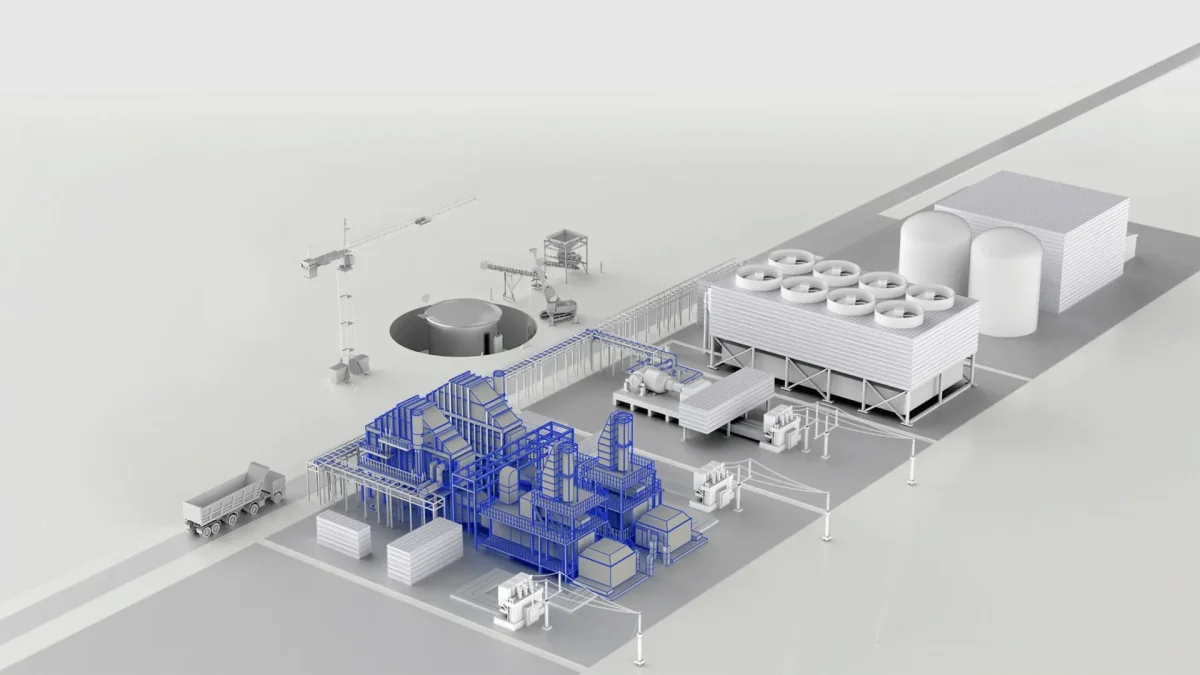
A significant development in energy infrastructure is underway as Blue Energy partners with GE Vernova to construct a groundbreaking 2.5-gigawatt facility. This innovative plant will uniquely combine natural gas and nuclear power generation, aiming to meet the surging electricity demands driven by the artificial intelligence revolution and broader industrial expansion across the United States. The hybrid approach is designed to offer a rapid and reliable power supply, crucial for the energy-intensive applications powering the nation's technological advancements.
Key Facts
-
Project Capacity 2.5 gigawatts
-
Technology Mix Gas and nuclear power generation
-
Developer Blue Energy
-
Technology Provider GE Vernova
-
Primary Driver Demand from AI and industrial sectors
Impact
This ambitious project stands to significantly bolster the United States' power grid capacity, specifically targeting the immense energy requirements of the burgeoning artificial intelligence industry and other power-hungry industrial operations. By integrating both gas and nuclear technologies, the plant aims to provide a stable, on-demand energy source that can adapt to fluctuating demand. This could translate into more consistent and potentially lower energy costs for businesses reliant on substantial power inputs, fostering further innovation and economic activity. The accelerated deployment of such a facility could also have ripple effects on regional economies, creating jobs in construction, operation, and maintenance. Furthermore, it signals a potential shift in energy strategy, embracing hybrid models that leverage diverse generation methods to ensure grid resilience and meet evolving energy needs. The success of this model could influence future energy project planning and investment across the nation.
Key Insights
-
1
Energy Strategy Evolution
The partnership highlights a strategic move towards hybrid energy solutions to address complex and growing power demands.
-
2
AI's Energy Footprint
The project underscores the significant and increasing energy demands of the AI sector, requiring dedicated and robust power generation.
-
3
Technological Integration
This initiative represents a notable example of integrating advanced technologies, combining the benefits of established gas infrastructure with the low-carbon potential of nuclear power.
Opportunities
The development of this hybrid power plant presents a prime opportunity for companies involved in advanced energy technologies, component manufacturing, and specialized engineering services. The integration of gas and nuclear systems will likely require cutting-edge solutions for control, safety, and efficiency, potentially spurring innovation in these areas. Furthermore, the success of this project could pave the way for similar hybrid energy initiatives, opening up new markets and investment avenues in the renewable and low-carbon energy sectors. For the AI and industrial sectors, this project offers a pathway to secure the large-scale, reliable power needed for their operations. It could reduce concerns about energy availability and price volatility, thereby encouraging further investment and expansion within these critical industries. The availability of such substantial and dependable power sources is a fundamental enabler for continued growth and development in technology-driven fields.
Risks & Challenges
The dual-generation approach, while potentially beneficial, introduces complexities in operation and maintenance. Managing two distinct power generation systems simultaneously requires robust oversight and a skilled workforce capable of handling both gas turbines and nuclear reactor operations. Any operational issues or unexpected downtime at either component could compromise the entire facility's output, impacting the crucial AI and industrial demand it aims to serve. Furthermore, the inherent public perception and regulatory hurdles associated with nuclear power remain significant considerations. While combined with gas, the nuclear component will still be subject to stringent safety regulations and potential public scrutiny, which could lead to project delays or increased compliance costs. The long-term economic viability will also depend on fluctuating natural gas prices and the evolving landscape of carbon emissions policies, potentially influencing the operational cost-effectiveness of the gas-fired component.
Source url: https://interestingengineering.com/energy/gas-nuclear-hybrid-power