Netherlands Paves Way for Tesla's Supervised FSD Across Europe
NewsHub
Apr 11, 2026
1 min read
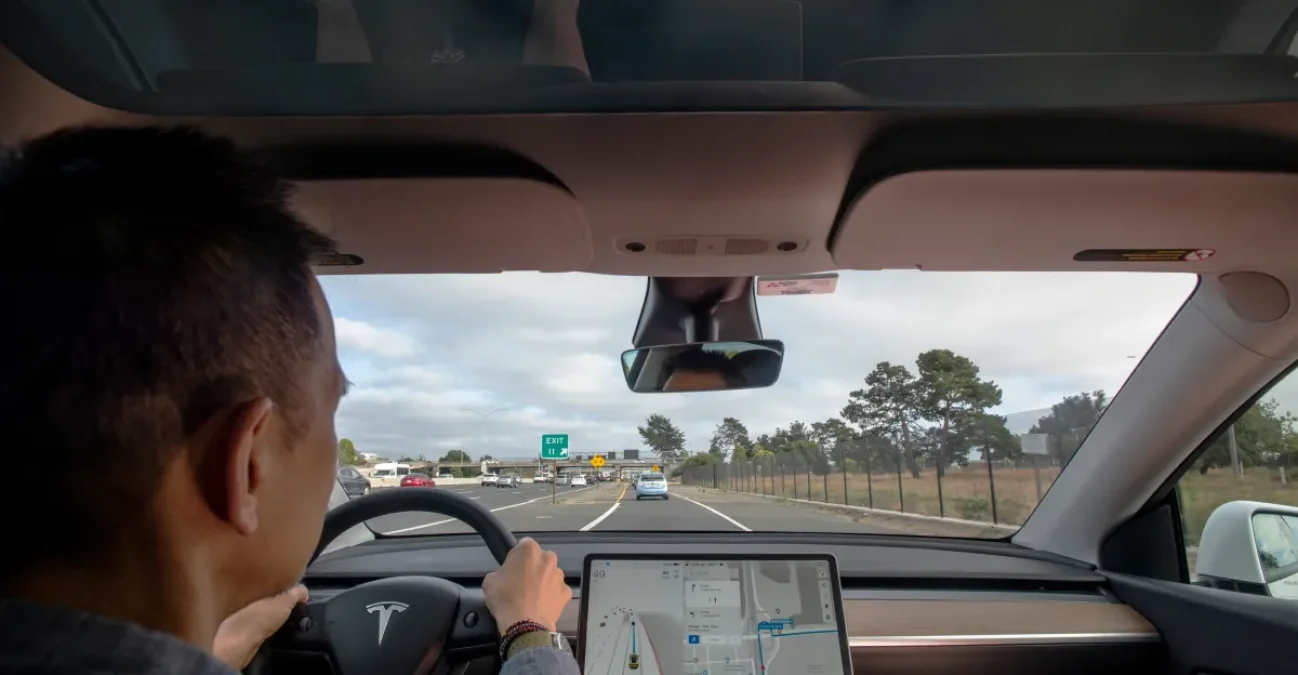
The Netherlands has become the inaugural European Union nation to grant approval for Tesla's supervised Full Self-Driving (FSD) system. This significant regulatory milestone, reached prior to April 12, 2026, marks a pivotal moment for advanced driver-assistance technologies within the bloc. While FSD still requires active driver supervision, this Dutch endorsement could establish a crucial precedent, potentially accelerating the system's broader regulatory acceptance and deployment across other EU member states, reshaping the landscape for autonomous vehicle technology in Europe.
Key Facts
-
Approved Technology Tesla Supervised Full Self-Driving (FSD)
-
Approving Country The Netherlands
-
Regulatory Status First EU Member to Grant Approval
-
Date of Analysis April 12, 2026
-
EU Implications Potential Precedent for Broader European Adoption
Impact
This Dutch approval provides a significant boost to Tesla's ambitions in the European market. It serves as a crucial validation point for the safety and functionality of its supervised FSD system, potentially influencing public perception and consumer trust across the continent. For Tesla, it means a clearer pathway to expanding its service offerings and strengthening its competitive edge against traditional automakers who are also heavily investing in advanced driver-assistance systems (ADAS). The decision also carries wider implications for the European automotive industry and regulatory bodies. It will likely intensify discussions among other EU member states regarding the standardization of ADAS regulations and testing protocols. Competitors will be under increased pressure to accelerate their own autonomous driving development and navigate complex regulatory landscapes, potentially leading to faster innovation but also more divergent national approaches before a harmonized EU standard emerges.
Key Insights
-
1
Regulatory Harmonization
The Netherlands' move could serve as a catalyst for the European Commission to expedite the creation of unified regulatory frameworks for advanced autonomous driving systems, potentially streamlining the approval process for future technologies across all member states.
-
2
Technology Validation
This approval, even for a supervised system, signals a growing confidence from a major European regulator in the practical application and safety mechanisms of Tesla's FSD, suggesting a maturation of the technology beyond its early beta stages.
-
3
Market Acceleration
With a key European market opening up, it's expected that investment in localized ADAS features, infrastructure, and complementary services will accelerate, fostering a more robust ecosystem for autonomous vehicle integration.
Opportunities
The approval creates substantial opportunities for the broader tech and automotive ecosystem. Beyond Tesla, companies specializing in mapping, sensor technology, cybersecurity for connected vehicles, and AI-driven predictive analytics stand to gain as the demand for robust, compliant autonomous systems grows. Furthermore, the need for specialized training and certification programs for drivers utilizing supervised FSD will emerge, presenting opportunities for educational institutions and automotive service providers. New business models around data monetization, software subscriptions for vehicle features, and potentially autonomous logistics services could also see accelerated development within Europe. Infrastructure developers might explore smart city integrations and dedicated lanes or charging solutions optimized for advanced autonomous vehicles, enhancing overall urban mobility and efficiency.
Risks & Challenges
Despite the positive outlook, significant risks remain. The 'supervised' nature of FSD means the driver is still ultimately responsible, leading to potential confusion and liability issues in the event of an incident. Public perception, heavily influenced by media reporting of any accidents or malfunctions, could quickly sour, leading to calls for stricter regulation or even outright bans in other countries. Divergent national regulations across the EU could also create a patchwork of rules, hindering seamless cross-border operation and increasing compliance costs for automakers. Furthermore, cybersecurity vulnerabilities pose a persistent threat, as advanced vehicle systems become more connected and reliant on software. Malicious actors could exploit weaknesses, leading to safety hazards or data breaches. Intense competition from well-funded traditional automakers and other tech giants also presents a risk to Tesla's market dominance, as rival systems might prioritize different aspects of safety or user experience, potentially swaying consumer preference.
Source url: https://www.theverge.com/transportation/910717/netherlands-tesla-supervised-full-self-driving
Related Articles