
Qualcomm Readies Next-Gen Snapdragon Elite Chip with Advanced RAM Options
NewsHub
Jun 17, 2026
1 min read
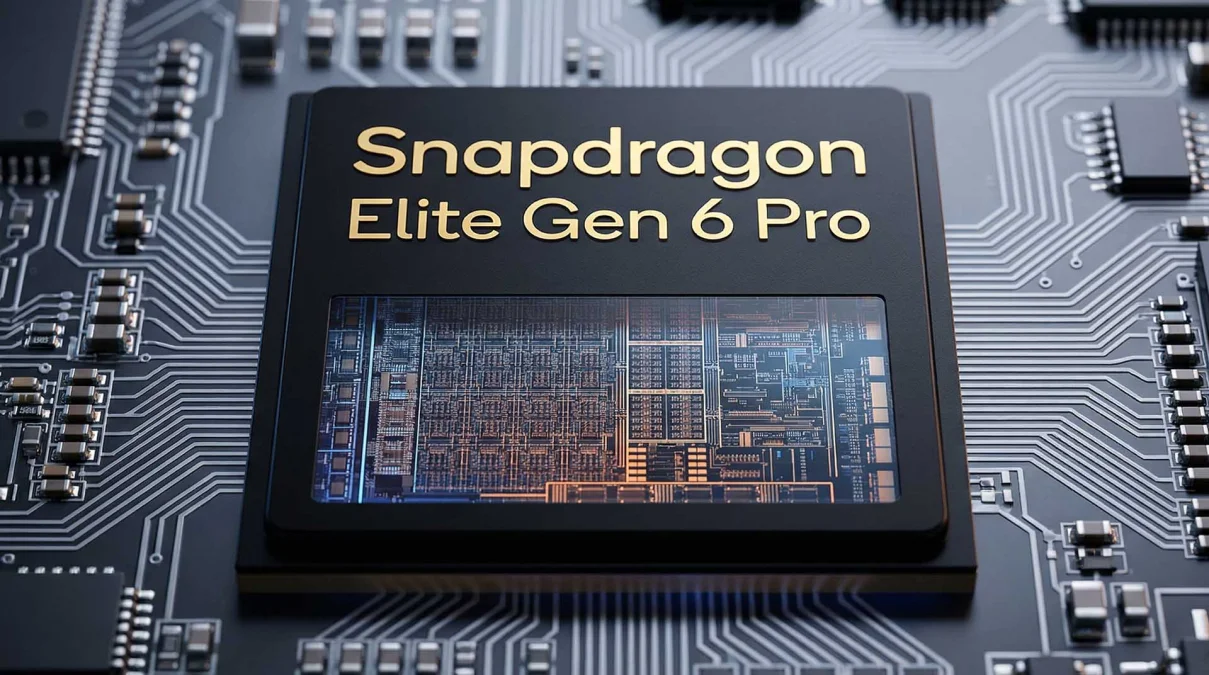
Qualcomm appears to be advancing its flagship mobile processor development, with initial engineering units of the Snapdragon 8 Elite Gen 6 Pro reportedly in circulation for evaluation. A notable characteristic of these test units is the potential for support of next-generation LPDDR6 memory, alongside the current LPDDR5X standard. This suggests a strategic approach to cater to various partner needs and performance targets as the industry progresses towards faster and more efficient memory technologies.
Key Facts
-
Next-Gen Chip Name Snapdragon 8 Elite Gen 6 Pro
-
Sample Availability Multiple samples reportedly undergoing testing
-
Memory Support Evidence points to LPDDR6 and LPDDR5X compatibility
Impact
The availability of LPDDR6 support in future Snapdragon processors signifies a significant leap in mobile device performance. This advanced memory technology promises substantially higher bandwidth and reduced power consumption, translating to smoother multitasking, faster application loading, and more efficient handling of demanding tasks like AI processing, high-resolution video, and immersive gaming. For consumers, this could mean more responsive and power-efficient smartphones and tablets. From a developer's perspective, the integration of LPDDR6 opens new avenues for creating more sophisticated and resource-intensive applications. Enhanced memory capabilities can enable richer graphical experiences, more complex AI models running directly on devices, and improved real-time data processing, potentially pushing the boundaries of what mobile devices can achieve.
Key Insights
-
1
Technological Advancement
Qualcomm's testing of LPDDR6 indicates a proactive approach to integrating cutting-edge memory standards into their flagship chipsets.
-
2
Partner Flexibility
Offering both LPDDR6 and LPDDR5X support provides device manufacturers with a crucial choice, balancing future-proofing with cost and availability considerations.
-
3
Performance Evolution
The move towards LPDDR6 is a clear indicator of the relentless drive for increased performance and efficiency in the mobile semiconductor space.
Opportunities
This development presents a clear opportunity for smartphone and tablet manufacturers to differentiate their upcoming flagship devices by leveraging the enhanced performance and power efficiency offered by LPDDR6. Early adoption of chips supporting this technology could lead to a competitive edge in the premium segment. Furthermore, accessory manufacturers, such as those producing high-speed storage solutions or specialized peripherals, may find new markets by catering to devices with advanced memory capabilities. For the broader tech ecosystem, the widespread adoption of LPDDR6 will likely accelerate innovation in areas like mobile augmented reality, professional-grade mobile content creation, and on-device artificial intelligence. This could spur further advancements in related technologies and software development, creating a ripple effect across the industry.
Risks & Challenges
A primary risk associated with the introduction of LPDDR6 is the potential for higher manufacturing costs, which could translate to more expensive end-user devices. Early adoption might also encounter supply chain challenges or initial compatibility issues with existing software or firmware, requiring extensive testing and optimization. Another consideration is the learning curve for developers and manufacturers in fully harnessing the capabilities of LPDDR6. Without proper implementation, the full performance benefits might not be realized, leading to consumer disappointment. Furthermore, if LPDDR5X remains widely supported and more cost-effective, a significant portion of the market may continue to favor it, potentially segmenting the high-end device market.
Background
Qualcomm's Snapdragon line of processors has consistently been at the forefront of mobile computing innovation, powering a vast majority of high-end smartphones and tablets globally. The "Elite" branding typically denotes their most premium offerings, aimed at delivering top-tier performance for demanding applications and features. Memory technology, such as LPDDR (Low Power Double Data Rate) RAM, plays a critical role in overall device speed and responsiveness. Each new generation of LPDDR offers improvements in bandwidth, efficiency, and sometimes capacity, directly impacting how quickly a device can access and process data. The progression from LPDDR5X to LPDDR6 represents the next evolutionary step in this crucial component.


