Samsung's Exynos 2600: A $3 Billion Wake-Up Call Driving Chip Self-Sufficiency
NewsHub
Apr 13, 2026
1 min read
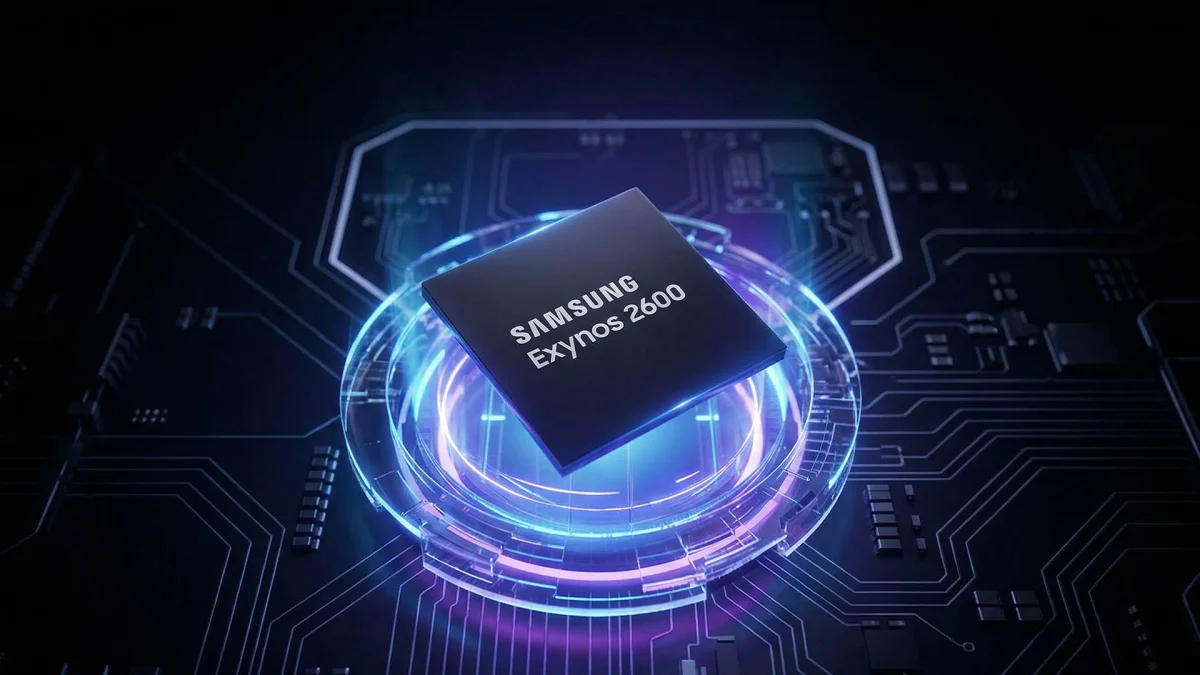
Samsung's decision to mass-produce the Exynos 2600 processor was a direct response to a substantial financial setback of $3 billion incurred in 2025. This strategic pivot underscores the company's intensified drive for internal chip production capabilities, aiming to reduce reliance on external suppliers and mitigate future financial vulnerabilities. The Exynos 2600's emergence signals a critical juncture for Samsung's semiconductor division, highlighting its commitment to regaining market competitiveness through in-house innovation.
Key Facts
-
Financial Setback Samsung experienced a $3 billion loss in 2025.
-
Exynos 2600 Trigger This financial loss directly influenced the decision to mass-produce the Exynos 2600.
-
Strategic Goal The move is part of Samsung's push for greater self-sufficiency in chipset manufacturing.
Impact
The substantial financial hit taken by Samsung in the previous year has undeniably reshaped its strategic priorities within the semiconductor sector. The Exynos 2600's entry into mass production, therefore, is not an arbitrary launch but a calculated move born out of necessity. This development suggests a potential shift in Samsung's approach to research and development funding and resource allocation, with a renewed focus on achieving greater control over its supply chain and the performance of its proprietary chipsets. The success or failure of the Exynos 2600 could have significant ramifications for Samsung's mobile device division and its overall standing in the highly competitive global chip market. It also signals a commitment to investing in its own technology to overcome the challenges that led to last year's financial losses.
Key Insights
-
1
Strategic Imperative
The Exynos 2600's production highlights Samsung's urgent need to secure its own chip supply chain to avoid future financial risks.
-
2
Competitive Realignment
This move indicates a strategic effort to regain a competitive edge against rivals who may have more stable or advanced in-house chip capabilities.
-
3
Risk Mitigation
Samsung is actively pursuing a strategy to minimize its exposure to external factors and market volatility that contributed to its 2025 losses.
Opportunities
This situation presents a clear opportunity for Samsung to bolster its vertically integrated business model. By successfully developing and manufacturing its own high-performance processors like the Exynos 2600, the company can achieve greater cost efficiencies, better tailor chip features to its device needs, and potentially differentiate its products more effectively. Furthermore, a stronger in-house semiconductor capability could position Samsung as a more attractive partner for other technology firms seeking custom chip solutions, opening up new revenue streams and strengthening its overall technological leadership. This focus on self-reliance could also lead to accelerated innovation cycles.
Risks & Challenges
Despite the strategic imperative, the mass production of the Exynos 2600 carries inherent risks. The financial losses incurred last year suggest underlying challenges in the development, manufacturing, or market adoption of Samsung's chip technologies. If the Exynos 2600 fails to meet performance expectations or faces production bottlenecks, it could exacerbate Samsung's financial woes and further erode its market share in the highly competitive processor space. There's also the risk of alienating existing supply chain partners if this pivot signifies a significant reduction in reliance on their services. Moreover, the rapid pace of technological advancement in the semiconductor industry means that any new processor must remain competitive against constantly evolving alternatives, a challenge made more acute by the circumstances of its forced introduction.
Source url: https://wccftech.com/exynos-2600-was-only-made-because-samsung-lost-3-billion-in-2025/
Related Articles