
Snap Reaffirms Qualcomm Partnership for Upcoming Consumer AR Glasses Launch in 2026
NewsHub
Apr 10, 2026
1 min read
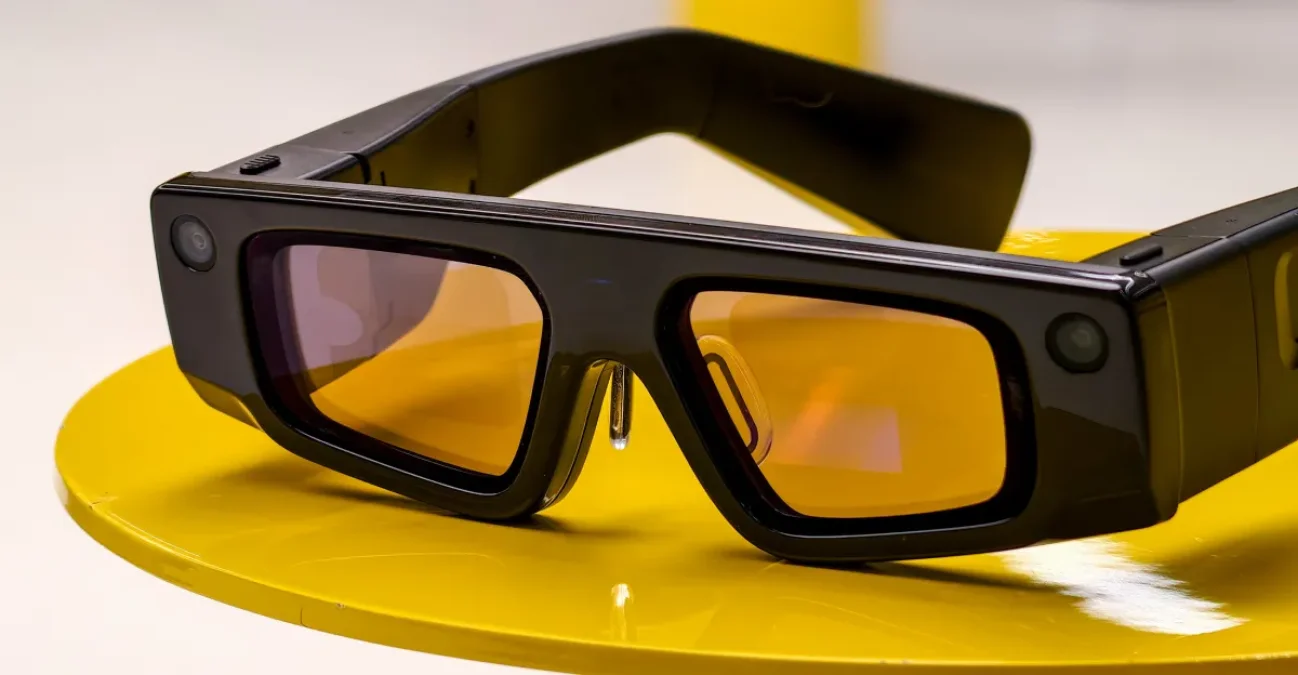
Snap Inc. has solidified its strategic alliance with Qualcomm, designating the chipmaker as the foundational technology provider for its eagerly anticipated augmented reality (AR) glasses. This continued collaboration is set to power the consumer iteration of Snap's AR wearable, codenamed "Specs," which is slated for release later this year. The decision underscores Snap's commitment to the AR space and highlights Qualcomm's pivotal role in enabling next-generation immersive experiences, signaling a deepening alliance crucial for the competitive AR hardware landscape and the broader adoption of consumer AR.
Key Facts
-
Primary Developer Snap Inc.
-
Key Chip Partner Qualcomm Technologies
-
Product Category Augmented Reality (AR) Glasses
-
Product Codename Specs
-
Target Market Consumer
-
Anticipated Release 2026 (this year)
Impact
This renewed commitment is significant for both Snap and Qualcomm. For Snap, it ensures a consistent and advanced technological foundation for its AR glasses, leveraging Qualcomm's specialized Snapdragon XR platforms. This stability is crucial as Snap aims to establish a foothold in the nascent consumer AR market, where hardware performance and efficiency are paramount. For Qualcomm, the partnership reinforces its dominance as a preferred silicon provider for immersive technologies, securing a prominent client and validating its continued investment in AR hardware solutions across various form factors. The impending release of consumer-focused AR glasses like "Specs" is a pivotal moment for the broader augmented reality industry. A successful launch could significantly accelerate mainstream adoption, pushing AR beyond niche enterprise applications and into everyday consumer use. This development will likely intensify competition among hardware manufacturers and software developers, driving innovation in both component miniaturization and immersive user experiences. It also signals a growing confidence in the readiness of the underlying technology for a broader market.
Key Insights
-
1
Strategic Commitment
Snap's decision highlights a strong, long-term strategic commitment to Qualcomm as its core hardware technology partner for AR, indicating deep integration and trust in their platform.
-
2
Qualcomm's Market Position
This move further solidifies Qualcomm's position as the leading enabler of next-generation AR and VR devices, potentially cementing its Snapdragon XR platforms as the de facto standard for such hardware.
-
3
Consumer AR Readiness
The planned release of consumer-ready AR glasses by Snap suggests a belief within the industry that the market is maturing and poised for more widespread adoption of augmented reality hardware.
-
4
Platform Optimization
The continued partnership allows for optimized hardware-software co-design, potentially leading to a more seamless, powerful, and battery-efficient user experience for "Specs".
Opportunities
This ongoing collaboration opens several business and technological avenues. For Snap, it presents a significant opportunity to cultivate a robust ecosystem around "Specs," attracting third-party developers to create engaging AR applications, compelling content, and unique experiences. This expansion could broaden Snap's user base and diversify revenue streams beyond its traditional social media platform, potentially tapping into new advertising models within immersive environments or even enterprise-focused AR solutions. Technologically, the partnership will likely drive further advancements in power efficiency, processing capabilities, and form factor reduction for AR hardware. Continued optimization of Qualcomm's Snapdragon XR platforms for Snap's specific use cases could lead to breakthroughs in areas like persistent object tracking, real-time rendering, spatial computing, and seamless interaction with the physical world, ultimately benefiting the entire AR industry and pushing the boundaries of what is possible in a lightweight wearable.
Risks & Challenges
Despite the promise, significant risks accompany Snap's ambitious foray into consumer AR. A primary concern is market adoption; while anticipation builds, consumer readiness for widespread AR glasses use remains unproven. Factors such as high price points, limited truly compelling 'killer applications' beyond novelty, privacy concerns regarding always-on recording, and potential social stigma could deter widespread acceptance. Moreover, the competitive landscape is rapidly intensifying, with tech giants like Apple, Meta, and Google investing heavily in their own sophisticated AR/VR ecosystems, potentially overshadowing Snap's offerings if they fail to differentiate effectively or capture significant market share quickly. Technical hurdles also present a considerable risk. Achieving a sleek, comfortable, and powerful AR glasses form factor with sufficient battery life, a wide field of view, and robust AR capabilities is immensely challenging. Any deficiencies in these critical areas could lead to a poor user experience, undermining product success. Furthermore, Snap's deep reliance on Qualcomm means any disruptions in chip supply, pricing changes, or shifts in Qualcomm's strategic priorities could directly impact Snap's AR roadmap, product delivery timelines, and ultimately its market competitiveness.
Background
Snap Inc. has a foundational history in wearable technology, having launched several iterations of its Spectacles camera glasses since 2016. While earlier versions were primarily focused on capturing ephemeral video content, Snap's long-term strategic vision has increasingly centered on augmented reality. Through its popular Lens Studio and extensive library of AR filters within the Snapchat application, the company has cultivated a large user base familiar with and actively engaged in AR experiences, positioning itself as a potential leader in making AR accessible and appealing to consumers. This background demonstrates Snap's incremental approach to AR hardware, learning from previous product cycles and evolving its AR strategy. Qualcomm, on the other hand, has firmly established itself as a critical enabler in the broader extended reality (XR) space, powering a significant percentage of standalone VR headsets and emerging AR devices with its specialized Snapdragon XR platforms. These chipsets are meticulously designed to handle the complex computational demands of AR, including real-time spatial mapping, object recognition, sophisticated gesture tracking, and high-resolution rendering, all within power-efficient constraints suitable for wearable form factors. The enduring partnership between Snap and Qualcomm thus represents a convergence of Snap's AR content expertise and Qualcomm's cutting-edge hardware prowess, aiming to push the boundaries of consumer AR.
Related Articles