
Understanding Audio Jack Sizes: 2.5mm vs. 3.5mm - A Consumer Guide
NewsHub
May 28, 2026
1 min read
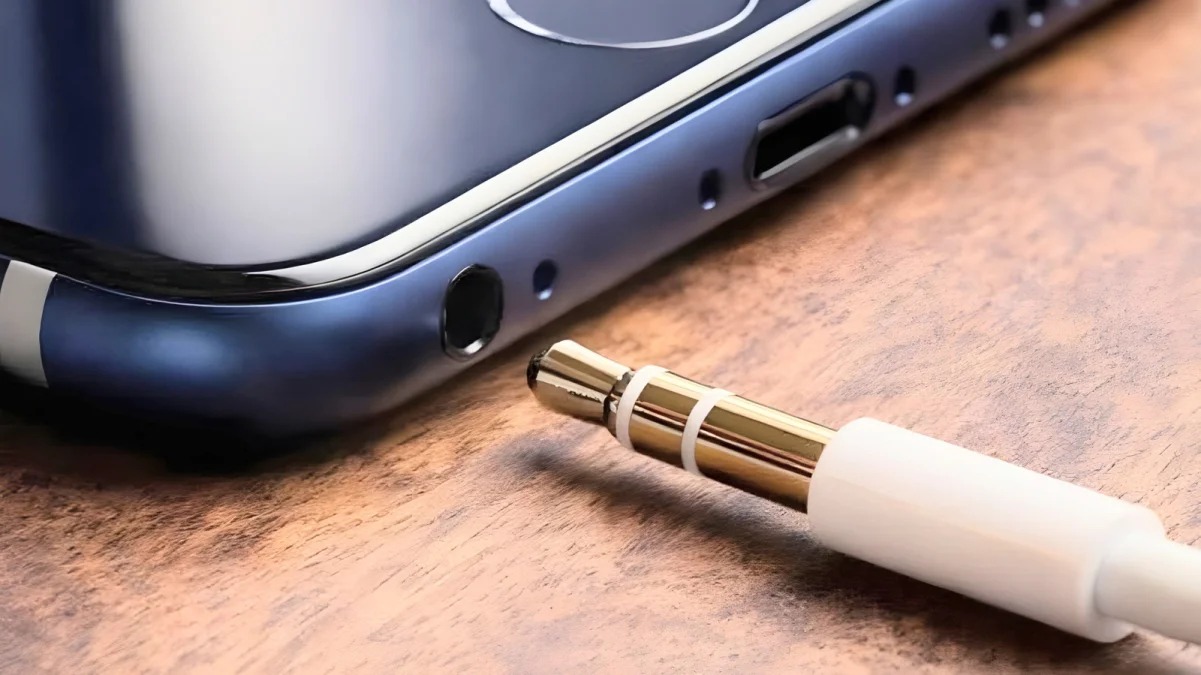
This analysis breaks down the distinctions between the 2.5mm and 3.5mm audio connectors. We examine their physical dimensions, typical applications across various electronics, and which devices typically feature each jack type. The goal is to provide clarity for consumers navigating audio port specifications and making informed purchasing decisions regarding headphones and audio equipment.
Key Facts
-
Standard Connector Size 3.5mm
-
Smaller Connector Size 2.5mm
-
Common Use for 3.5mm Widespread in smartphones, laptops, and consumer audio devices
-
Common Use for 2.5mm Often found in smaller portable devices, landline phones, and some specialized audio equipment
Impact
The prevalence of the 3.5mm jack has cemented its status as the de facto standard for personal audio, simplifying cross-device compatibility for headphones and microphones. This ubiquity allows for a vast market of interchangeable accessories. Conversely, the 2.5mm jack's less common usage can lead to compatibility issues for users who may own specialized audio gear or older communication devices, often requiring adapters.
Key Insights
-
1
Standardization Benefits
The 3.5mm jack's broad adoption has fostered a robust ecosystem of affordable and diverse audio peripherals, benefiting consumers through choice and competitive pricing.
-
2
Niche Application Value
While less prevalent, the 2.5mm jack continues to serve specific market segments where space or particular functionality is prioritized, indicating a continued, albeit smaller, role in certain electronic designs.
Opportunities
For manufacturers, understanding the continued relevance of both jack sizes presents an opportunity to cater to diverse consumer needs. Developing product lines that offer both 2.5mm and 3.5mm options, or providing clear guidance on adapter requirements, can enhance market reach. Furthermore, the transition away from headphone jacks in some flagship devices also opens avenues for companies specializing in high-quality wireless audio solutions.
Risks & Challenges
One significant risk associated with the disparity in audio jack sizes is consumer confusion and potential buyer's remorse. Purchasers might acquire headphones or accessories only to discover they are incompatible with their intended devices, leading to returns and negative brand perceptions. The ongoing trend of eliminating traditional headphone ports from newer smartphones also poses a risk to legacy audio equipment manufacturers and users who have invested in wired accessories.
Source url: https://www.bgr.com/2179123/25mm-vs-35mm-headphone-jack-differences/
Related Articles