Waymo Autonomous Vehicles Cause Unexpected Gridlock in Atlanta Neighborhood
NewsHub
May 15, 2026
1 min read
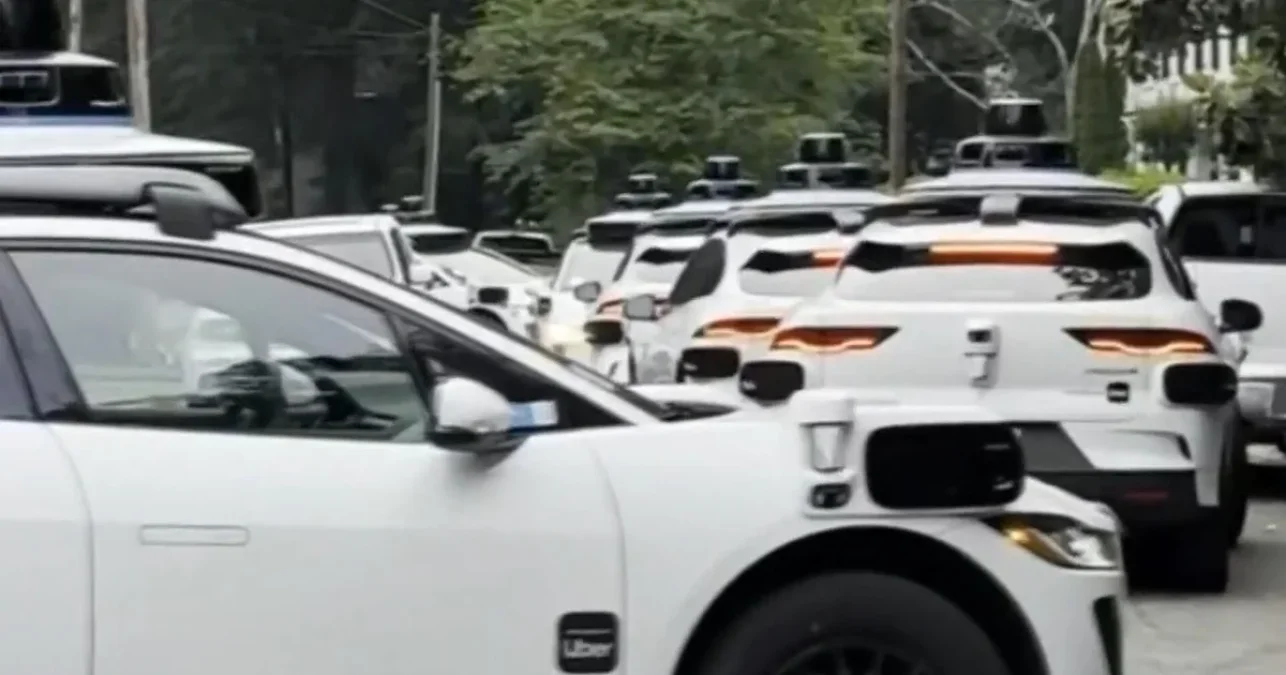
On a recent Friday morning, residents of an Atlanta cul-de-sac encountered an unusual scene: a significant traffic jam caused entirely by Waymo's driverless vehicles. This incident, reportedly detailing a cluster of autonomous cars occupying a residential street, brought early morning disruption and raised immediate questions regarding the operational readiness of self-driving technology in new urban environments. The event underscores the ongoing challenges in integrating autonomous fleets seamlessly into complex city traffic.
Key Facts
-
Event Waymo driverless cars created a traffic jam.
-
Location A cul-de-sac in Atlanta.
-
Timing Friday morning.
-
Vehicles Involved Waymo autonomous vehicles.
-
Impact Disrupted local residents.
Impact
The immediate impact of this incident was local disruption and frustration for Atlanta residents. A traffic jam, regardless of its cause, is inconvenient, but one caused by seemingly stalled autonomous vehicles can also provoke a sense of unease or even distrust in the technology. This localized event quickly becomes a public relations challenge for Waymo, potentially affecting residents' willingness to embrace or tolerate the expansion of driverless services in their city. Beyond the immediate neighborhood, the occurrence carries broader implications for the autonomous vehicle (AV) industry. Such incidents, even minor ones, can fuel public skepticism about the reliability and safety of driverless cars, potentially slowing down regulatory approvals and wider market adoption. For cities considering or already hosting AV trials, this event serves as a reminder of the need for robust operational protocols and swift incident response mechanisms from AV operators.
Key Insights
-
1
Operational Readiness
The incident highlights persistent challenges in developing AV systems capable of navigating unpredictable and less-trafficked residential scenarios without human intervention.
-
2
Scalability Concerns
As Waymo expands into new cities like Atlanta, the ability of its software to adapt to diverse urban layouts and traffic conditions without creating bottlenecks is crucial for scalable deployment.
-
3
Public Perception
Incidents like this can significantly influence public confidence in autonomous technology, demanding transparent communication and swift resolution from Waymo to maintain trust.
-
4
Emergency Protocols
The event underscores the necessity for robust remote monitoring and intervention systems that can quickly identify and resolve AV-induced disruptions, minimizing inconvenience.
Opportunities
This incident, while problematic, presents significant learning opportunities for Waymo and the broader autonomous vehicle industry. It underscores the need for more sophisticated AI and machine learning algorithms capable of predicting and resolving complex, multi-vehicle interactions, particularly in non-standard urban layouts like cul-de-sacs. Developing enhanced predictive analytics that can anticipate potential bottlenecks and proactively reroute or guide vehicles would be a key advancement. Furthermore, there is an opportunity to refine remote assistance and override capabilities. Implementing more granular control systems that allow human operators to efficiently clear gridlock or guide stalled vehicles could drastically improve response times and mitigate public inconvenience. This also extends to developing better communication tools for residents to report issues and receive updates, fostering greater community acceptance and cooperation.
Risks & Challenges
The primary risk stemming from this event is a significant erosion of public trust and confidence in autonomous vehicle technology, specifically Waymo's operations. Repeated or more severe incidents could lead to increased public backlash, calls for stricter regulation, or even outright bans on AV expansion in certain areas. This skepticism could slow down the entire industry's progress, making it harder to secure necessary permits and community buy-in for future deployments. Another substantial risk is potential regulatory slowdowns. City councils and transportation authorities, already cautious about driverless technology, may impose more stringent testing requirements, longer approval processes, or geographical restrictions on AV operations. This could substantially delay Waymo's expansion plans, increase operational costs due to heightened oversight, and create a fragmented regulatory landscape across different municipalities, complicating nationwide scaling efforts.
Source url: https://www.cbsnews.com/video/dozens-driverless-waymo-cars-get-into-traffic-jam-atlanta/