European-Latin American Leftist Summit in Barcelona Signals United Front Against U.S. Global Role
NewsHub
Apr 25, 2026
1 min read
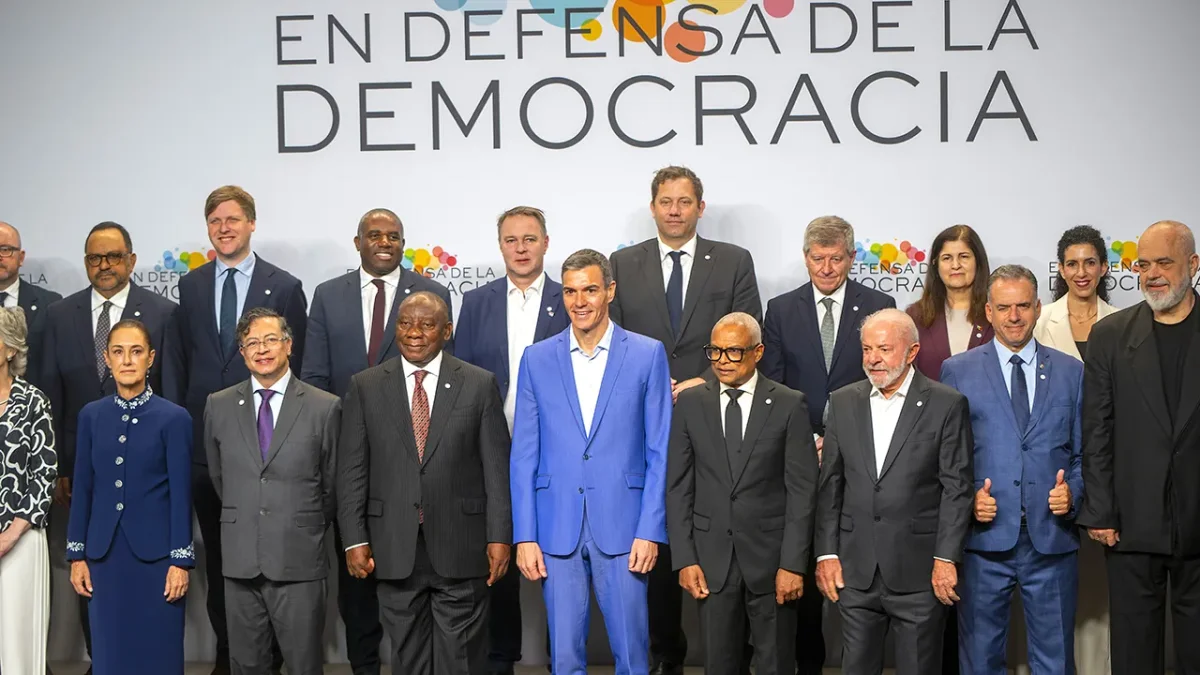
Leaders from Latin American left-wing parties convened in Barcelona, Spain, recently, orchestrated by Spanish Prime Minister Pedro Sánchez. This gathering is widely interpreted by observers as the formation of a cohesive political movement. The explicit aim of this bloc appears to be a coordinated effort to counter the entrenched influence of the United States across Latin America and potentially on a broader international stage. The summit suggests a strategic realignment in global politics, with a focus on fostering alternative alliances and challenging established geopolitical dynamics.
Key Facts
-
Summit Location Barcelona, Spain
-
Key Organizer Spanish Prime Minister Pedro Sánchez
-
Participants Latin American left-wing political figures
-
Stated Goal Challenging U.S. influence
Impact
This summit represents a significant development in international relations, potentially altering the geopolitical landscape of Latin America. The emergence of a unified leftist bloc, supported by a European nation, could lead to a more assertive regional policy independent of Washington's directives. This may translate into shifts in trade agreements, diplomatic alliances, and foreign investment patterns, with a greater emphasis on South-South cooperation and diversified international partnerships. The long-term impact could be a rebalancing of global power dynamics, as countries previously aligned with U.S. foreign policy might find new avenues for engagement and support. This could also embolden other like-minded movements and governments worldwide to seek similar collaborative frameworks, fostering a multipolar world order and potentially reducing the singular dominance of any one superpower.
Key Insights
-
1
Geopolitical Realignment
The meeting underscores a growing desire among progressive Latin American governments and parties to exert greater autonomy in their foreign policy decisions and reduce reliance on traditional, often U.S.-centric, economic and political models.
-
2
Ideological Solidarity
The gathering highlights a resurgence of socialist and progressive ideology in the region, fostering a sense of shared purpose and a desire to present a united front against perceived external interference and hegemonic tendencies.
Opportunities
The formation of this progressive bloc could present considerable opportunities for businesses and technology firms that align with the stated goals of regional autonomy and diversified partnerships. There may be increased demand for infrastructure development, renewable energy projects, and digital transformation initiatives within Latin America, particularly those that prioritize local employment and knowledge transfer. Furthermore, European companies could find new avenues for expansion as trade and investment ties strengthen, creating a more robust economic ecosystem independent of traditional Western markets.
Risks & Challenges
A primary risk associated with this evolving geopolitical landscape is the potential for increased friction with the United States and its allies. Washington may view this united front as a direct challenge to its long-standing interests and influence in the region, potentially leading to retaliatory economic or diplomatic measures. Furthermore, internal challenges within the newly formed bloc could emerge. Differing national interests, economic disparities among participating countries, and varying interpretations of progressive policies might strain the coalition's unity over time. The success of this initiative will hinge on its ability to overcome these internal divisions and present a consistent, pragmatic approach to governance and international engagement.
Related Articles