
LA's Northbound 110 Freeway Indefinitely Closed After Homeless Encampment Fire Compromises Structure
NewsHub
May 06, 2026
1 min read
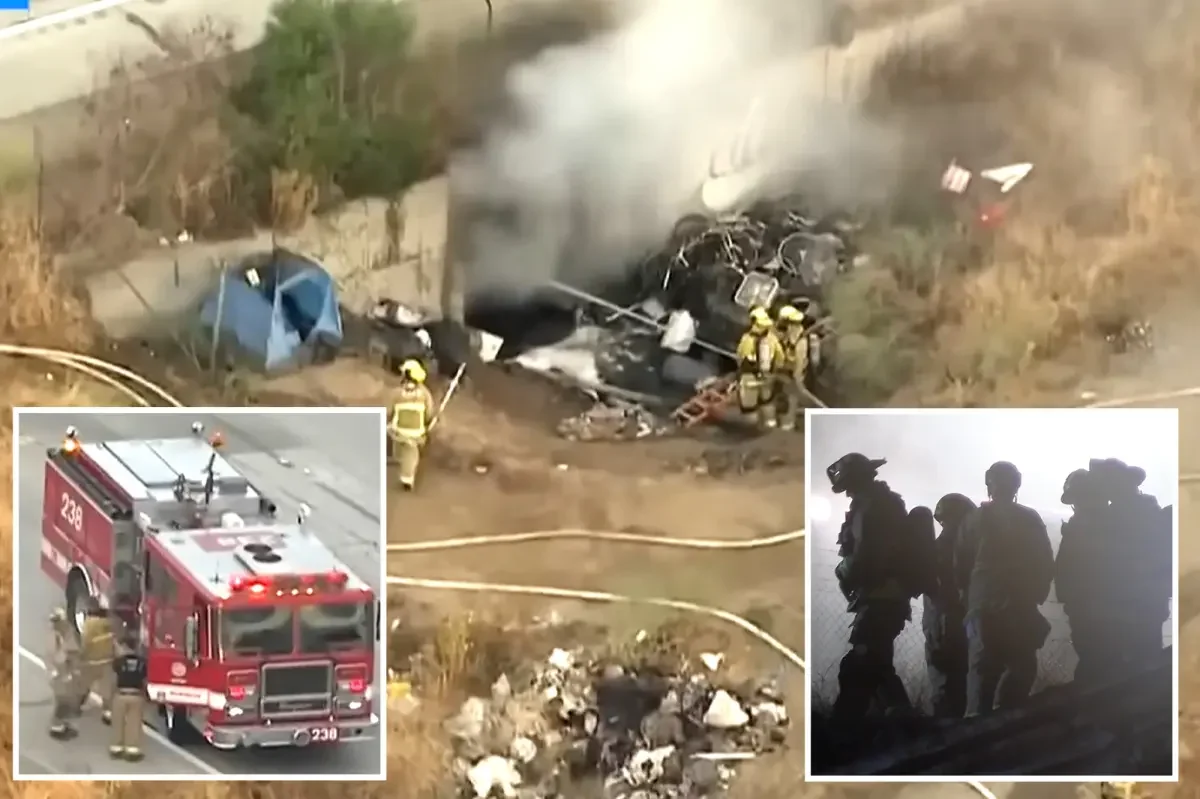
Major disruption has struck Los Angeles commuters as the northbound lanes of the 110 Freeway are shut down indefinitely following a fire originating from a homeless encampment beneath the thoroughfare. The blaze has reportedly caused significant structural damage to the vital roadway, prompting authorities to close the section for comprehensive safety assessments and potential repairs. This incident underscores the escalating challenges at the intersection of urban infrastructure vulnerability and the persistent homelessness crisis, posing immediate gridlock for thousands of daily travelers and raising long-term concerns about public safety and structural integrity.
Key Facts
-
Location Underneath the 110 Freeway, Los Angeles
-
Affected Direction Northbound lanes of the 110 Freeway
-
Closure Status Indefinite
-
Cause of Fire Homeless encampment
-
Primary Concern Major threat and compromise to roadway structural integrity
-
Date of Report May 6, 2026
Impact
The immediate consequence of the northbound 110 Freeway's indefinite closure is severe traffic congestion throughout the greater Los Angeles area. Commuters face significantly extended travel times, forced to reroute onto already overburdened surface streets and alternative freeways, exacerbating gridlock across the metropolitan network. This widespread disruption impacts daily routines, public transport schedules, and emergency response times, creating a ripple effect across the region's operational efficiency. Beyond immediate traffic woes, the incident carries substantial economic implications. Businesses reliant on timely logistics and deliveries will experience delays and increased operational costs. Lost productivity due to extended commutes, coupled with potential impacts on tourism and local commerce, could translate into millions of dollars in economic losses. The necessary structural repairs will also incur significant public expenditure, diverting funds that could otherwise be allocated to other urban development or social services. Furthermore, the event highlights a critical failure point in urban infrastructure resilience. The potential long-term damage to the freeway structure raises questions about future maintenance burdens and the lifespan of the roadway. Public confidence in the safety and reliability of vital transportation arteries may also be eroded, prompting calls for more robust preventative measures and infrastructure hardening.
Key Insights
-
1
Urban Resilience Challenge
The incident exposes a significant vulnerability in urban infrastructure, particularly in regions with a prevalent homelessness crisis. Structures like freeways, not originally designed to withstand frequent fires from underneath, are now facing unprecedented stresses.
-
2
Socio-Economic Intersections
This event is a stark illustration of how complex societal issues, such as homelessness, directly intersect with and impact critical urban infrastructure, leading to tangible disruptions for the broader populace and significant economic costs.
-
3
Infrastructure Protection Gaps
There is a clear need for re-evaluating existing protocols and implementing new strategies for protecting vital public infrastructure from external threats, including those posed by encampments in proximity to critical structural elements.
-
4
Public Safety Imperative
Beyond traffic, the structural compromise of a major freeway poses a direct public safety concern, necessitating immediate and thorough assessment and repair to prevent catastrophic failures.
Opportunities
The indefinite closure of the 110 Freeway presents urgent opportunities for innovation in infrastructure assessment, repair, and protection technologies. There is an immediate demand for advanced structural health monitoring systems, rapid-setting repair materials, and fire-resistant coatings or shielding solutions specifically designed for bridge and overpass structures. Engineering firms specializing in seismic retrofitting and materials science could find new contracts in developing and implementing solutions to fortify existing infrastructure against similar threats. Concurrently, this crisis underscores the critical need for more comprehensive and sustainable solutions to the homelessness epidemic. Opportunities exist for technology companies and social enterprises to develop data-driven outreach programs, innovative temporary housing solutions, and safe, managed encampment alternatives that minimize risks to both individuals and public infrastructure. Investment in integrated social services, mental health support, and vocational training could also see increased urgency and funding.
Risks & Challenges
The most immediate risk is the prolonged economic strain on Los Angeles due to sustained traffic disruptions. If the structural damage is extensive, repairs could take months, severely impacting commerce, supply chains, and daily commuter productivity, potentially pushing small businesses to the brink. Moreover, the budgetary implications for emergency repairs and long-term reinforcement could be substantial, diverting funds from other essential city services and potentially leading to tax increases or cuts elsewhere. Looking forward, there is a significant risk of recurrence if the underlying issues are not addressed. Without comprehensive strategies to manage homeless encampments safely, provide adequate housing, and implement preventative infrastructure hardening measures, similar incidents could plague other vital transportation arteries. This poses a long-term threat to public safety, infrastructure reliability, and civic trust, potentially escalating into a cycle of reactive repairs rather than proactive prevention.
Source url: https://nypost.com/2026/05/05/us-news/northbound-110-freeway-in-la-closed-after-homeless-camp-fire/