
Potential Tropical Storm Arthur: Analyzing Coastal Flood Risk and Preparedness in Mid-June 2026
NewsHub
Jun 17, 2026
1 min read
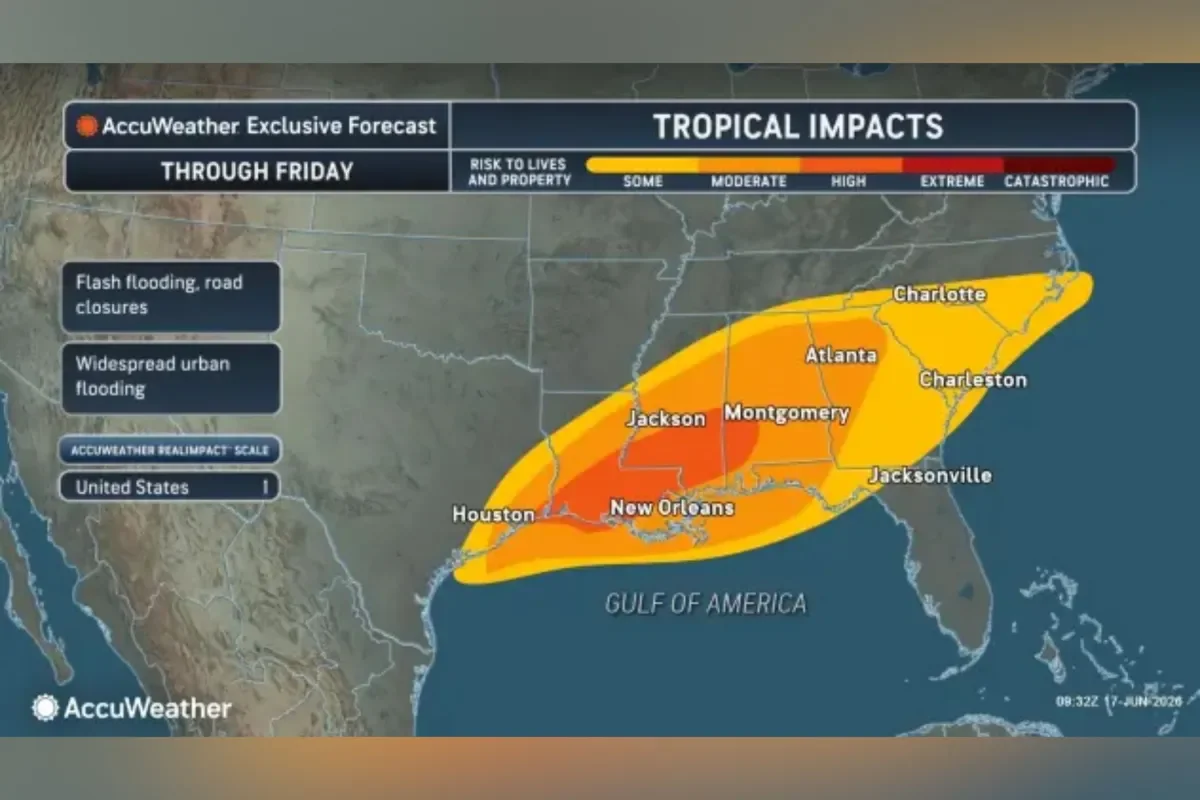
A developing weather system, potentially named Tropical Storm Arthur, is raising significant concerns across coastal regions as of June 17, 2026. Experts emphasize that widespread flooding rain is a primary threat, even if the system does not reach full tropical storm intensity, posing a severe risk to life and property. Meteorological assessments include detailed maps highlighting areas most vulnerable to these anticipated heavy rainfall events, urging residents in identified zones to prepare for severe weather conditions and potential disruptions early in the hurricane season.
Key Facts
-
System Status Developing weather system, potential Tropical Storm Arthur
-
Primary Threat Extensive flooding rain, irrespective of named storm status
-
Risk Level Significant threat to life identified by meteorologists
-
Geographic Tool Detailed threat maps indicating high-risk zones
-
Current Date June 17, 2026 (early in Atlantic hurricane season)
Impact
The impending weather system carries a substantial risk of widespread flooding, which can lead to immediate and severe consequences. Infrastructure, including roads, bridges, and utilities, is highly vulnerable to damage or complete disruption, isolating communities and impeding emergency response efforts. Property damage, encompassing homes and businesses, is a significant concern, potentially leading to displacement of residents, substantial repair costs, and economic losses for affected regions. Agricultural areas could also face inundation, impacting crop yields and local economies. Beyond immediate physical damage, the event poses a considerable public health and safety challenge. Standing floodwaters can create hazardous conditions, increase the risk of waterborne diseases, and attract wildlife. The strain on emergency services, including first responders and healthcare facilities, is expected to be high. Prolonged power outages and disruptions to essential services could further exacerbate difficulties for affected populations, particularly vulnerable groups requiring continuous care or support.
Key Insights
-
1
Early Season Vigilance
The potential for a significant weather event like Arthur so early in the hurricane season (June 17) underscores the importance of year-round preparedness and not underestimating initial system developments.
-
2
Flooding Over Wind
This event highlights a crucial meteorological insight: the danger of tropical systems is not solely defined by wind speed or named storm status; heavy rainfall and associated flooding often pose a greater threat to life and property.
-
3
Risk Communication Imperative
The emphasis by meteorologists on flooding risk, even without full tropical storm strength, demonstrates evolving and more nuanced risk communication strategies aimed at preventing complacency among the public.
Opportunities
The forecasted severe weather presents opportunities for technological innovation and business development in disaster preparedness and response. Companies specializing in advanced hydrological modeling, real-time flood monitoring sensors, and predictive analytics can offer critical tools for local governments and emergency management agencies to better anticipate and mitigate flood impacts. Furthermore, drone technology for rapid damage assessment and mapping, as well as AI-powered platforms for coordinating relief efforts, represent significant growth areas. From a business standpoint, this event can spur demand for resilient infrastructure solutions, flood-resistant building materials, and comprehensive disaster recovery services. The insurance sector will see increased claims, but also an opportunity to innovate in parametric insurance products that trigger payouts based on predefined weather metrics. Additionally, local businesses can review and update their continuity plans, potentially investing in cloud-based systems and remote work capabilities to maintain operations during disruptions.
Risks & Challenges
The most immediate and severe risk is the potential for loss of life due to flash flooding and submerged areas. Beyond direct fatalities, widespread flooding poses significant health and safety hazards, including contaminated water sources, increased risk of accidents, and the spread of waterborne illnesses. Economic risks are substantial, with potential for extensive property damage to homes and businesses, leading to costly repairs, insurance claims, and protracted recovery periods for affected communities. Furthermore, critical infrastructure such as transportation networks, power grids, and communication systems are highly vulnerable to disruption, potentially isolating communities and hindering emergency response efforts. Long-term risks include displacement of residents, psychological trauma for those affected, and significant financial burdens on local and state governments for recovery and rebuilding. The early timing of this potential storm could also set a precedent for a more active and impactful hurricane season, requiring sustained vigilance.
Background
The Atlantic hurricane season officially commences on June 1st and extends through November 30th each year. While the peak activity typically occurs between August and October, early-season systems, often forming from frontal boundaries or tropical waves, are not uncommon. These initial disturbances, even before achieving named storm status, have historically demonstrated the capacity to deliver torrential rainfall and localized flooding. Past weather events, including those that did not reach full hurricane strength, have repeatedly illustrated the severe danger posed by excessive precipitation. The meteorological community increasingly emphasizes that water—both from storm surge and inland flooding—is the deadliest aspect of tropical cyclones, often accounting for a majority of fatalities. This focus guides current public safety messaging, prioritizing flood warnings regardless of a system's official designation.
Related Articles