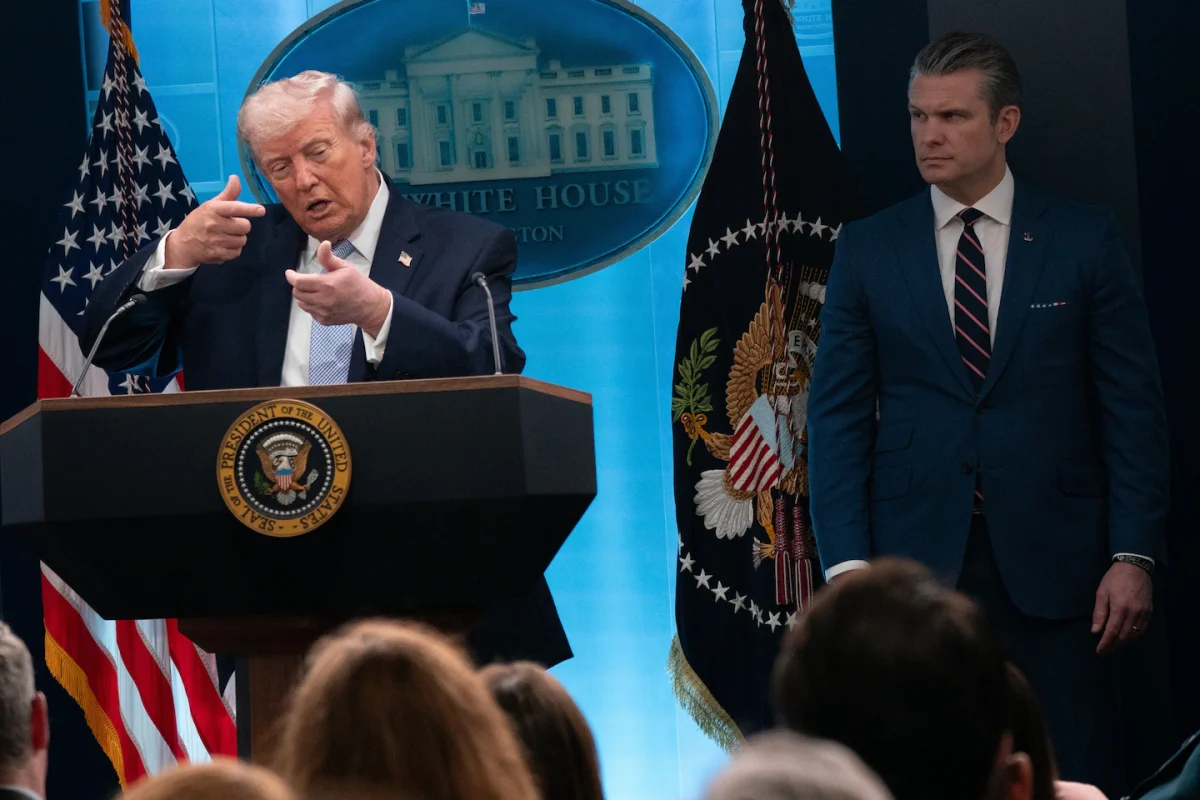
US Affirms Iran's De-escalation in Strait of Hormuz Amidst Regional Tensions
NewsHub
May 06, 2026
1 min read
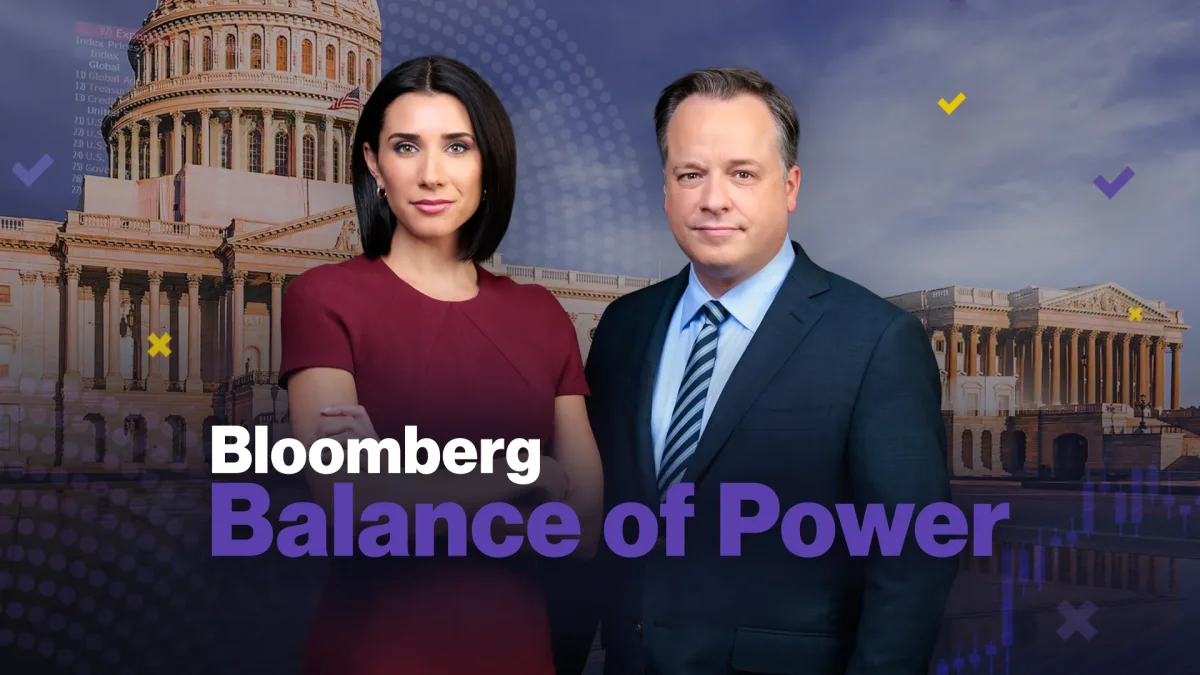
The United States has indicated that an agreed-upon ceasefire between Iran and other parties remains effective, following a recent incident in the strategically vital Strait of Hormuz. This affirmation comes as the international community monitors regional stability. Meanwhile, on the "Balance of Power: Late Edition" program, Republican Representative Bryan Steil emphasized the Federal Reserve's need to base monetary policy decisions on economic data rather than political pressures, expressing a desire for reduced interest rates in the foreseeable future.
Key Facts
-
US Confirmation of Ceasefire The US has stated that Iran's ceasefire commitment is still being upheld.
-
Strait of Hormuz Incident A confrontation occurred in the Strait of Hormuz.
-
Representative Steil's Fed View Rep. Bryan Steil advocates for a data-driven Federal Reserve.
-
Interest Rate Outlook Steil hopes for lower interest rates soon, contingent on economic indicators.
Impact
The confirmation of a de-escalation in the Strait of Hormuz, if sustained, could offer a temporary reprieve for global oil markets and shipping routes that are heavily dependent on this waterway. Any renewed tensions in this critical chokepoint could lead to significant price volatility and disruptions, impacting energy security worldwide. The interplay between diplomatic assurances and military posturing remains a delicate balance for regional powers and international observers.
Key Insights
-
1
Geopolitical Signaling
The US statement serves as a signal to regional actors and the international community regarding Iran's adherence to de-escalation efforts.
-
2
Economic Policy Independence
Representative Steil's comments highlight ongoing debates about the Federal Reserve's mandate and the potential for political influence on monetary policy.
-
3
Interconnectedness of Issues
The news demonstrates how immediate geopolitical events in sensitive regions can intersect with broader economic discussions, such as interest rate policy.
Opportunities
The de-escalation in the Strait of Hormuz could present opportunities for increased trade and investment in the region, provided stability is maintained. For businesses involved in maritime logistics and energy, a period of reduced geopolitical risk could allow for more predictable operational planning and potentially lower insurance premiums. Furthermore, the discussion around data-driven economic policy might foster innovation in financial technology and economic forecasting.
Risks & Challenges
Despite the US affirmation, the inherent volatility of the region presents a persistent risk. A breakdown in the ceasefire or a miscalculation could rapidly escalate tensions, leading to severe disruptions to global energy supplies and international shipping. The ongoing geopolitical rivalries mean that even a temporary period of calm does not eliminate the underlying sources of conflict that could reignite at any moment.
Source url: https://www.bloomberg.com/news/videos/2026-05-06/balance-of-power-late-edition-05-05-2026-video
Related Articles