U.S. Military Readiness Post-Iran Conflict: Analyzing Strategic Vulnerabilities Under Trump
Thomas Kika
Apr 09, 2026
32 min read
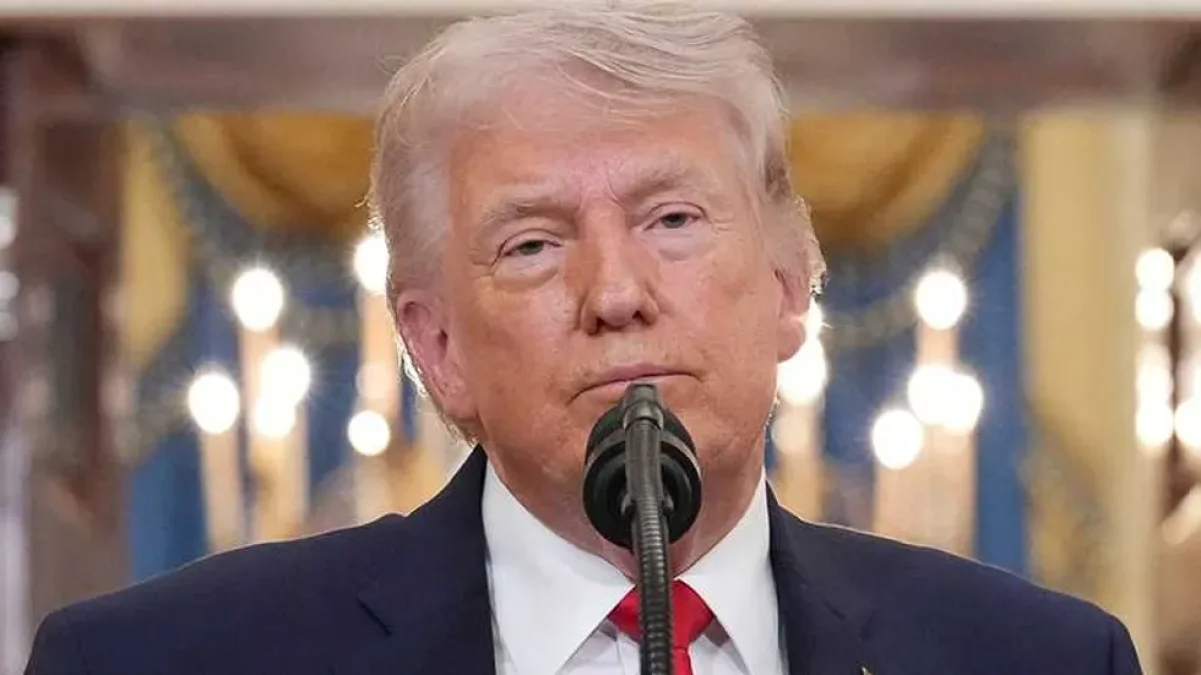
A recent analysis suggests that the series of confrontations with Iran during the administration of former President Donald Trump brought to light significant underlying problems within the U.S. military's operational capabilities and strategic preparedness. This assessment critically examines the implications of the Iran engagements, indicating that they exposed vulnerabilities requiring urgent attention and re-evaluation of defense policies, resource allocation, and readiness levels. The report positions the former administration's strategic decisions as a focal point for understanding the military's perceived shortcomings.
Key Facts
-
Primary Conflict Focus Iran-U.S. engagements during Trump administration
-
Core Revelation Significant vulnerabilities and deep problems within the U.S. military
-
Analysis Target Strategic and operational readiness, defense policies
-
Criticism Implication Former President Trump's handling of the conflict and its impact on military effectiveness
Impact
The identified weaknesses within the U.S. military, revealed through the Iran conflict, are poised to trigger a comprehensive re-evaluation of national defense strategies and budgetary allocations. This could lead to a substantial overhaul of military doctrine, procurement processes, and training methodologies across all branches, aiming to fortify future operational resilience and technological superiority. Such findings also carry significant geopolitical weight, potentially influencing how allied nations and adversaries perceive American military power and reliability on the global stage.
Key Insights
-
1
Strategic Imperative
Highlights the critical need for adaptive strategic planning and foresight in navigating complex international security challenges.
-
2
Modernization Urgency
Underscores the necessity for continuous and rapid military modernization to counter evolving and asymmetrical threats effectively.
-
3
Accountability Scrutiny
Prompts increased scrutiny on political leadership's decision-making processes during periods of international tension and conflict.
-
4
Alliance Reassurance
Emphasizes the importance of transparently addressing vulnerabilities to maintain confidence among key international allies and partners.
Opportunities
The exposure of these military challenges presents significant opportunities for innovation within the defense sector, spurring investment in advanced technologies such as AI-driven logistics, enhanced cyber defenses, and next-generation autonomous systems. This situation could also foster deeper collaboration with private industry and academia to accelerate research and development, ensuring the U.S. military remains at the forefront of technological capability. Furthermore, a renewed focus on multilateral defense agreements and joint training exercises with allies could strengthen collective security postures and share the burden of maintaining global stability.
Risks & Challenges
Should the revealed military vulnerabilities remain unaddressed, the United States risks a significant erosion of its deterrent posture and global influence. This could embolden revisionist powers and non-state actors, potentially increasing the frequency and intensity of international conflicts. Internally, a perceived decline in military effectiveness could undermine public trust in national security institutions, leading to diminished support for defense spending and recruitment challenges.
Source url: https://www.alternet.org/msn-uk/trump-iran-2676691444/
Related Articles