NetherRealm Studios' Mortal Kombat 1 Achieves Global Sales of 8 Million Units
NewsHub
Apr 10, 2026
1 min read
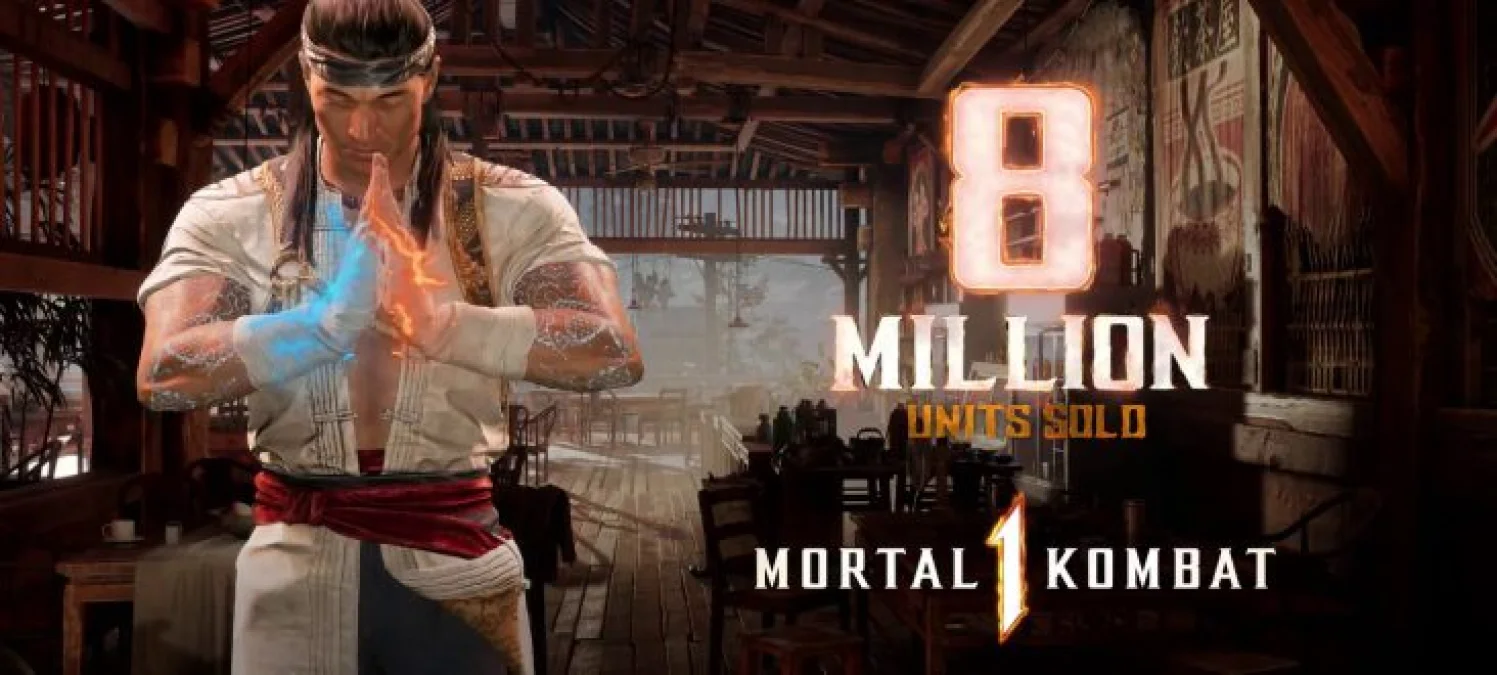
NetherRealm Studios' fighting game, Mortal Kombat 1, has officially surpassed a significant sales milestone, achieving 8 million units sold worldwide. This success highlights the enduring appeal of the long-running franchise and validates the development team's strategic decision to directly follow Mortal Kombat 11 with this new installment, diverging from their previous pattern of alternating between the Mortal Kombat and Injustice series. The strong commercial performance underscores the title's robust market presence and player engagement within the competitive fighting game genre.
Key Facts
-
Game Title Mortal Kombat 1
-
Developer NetherRealm Studios
-
Publisher Warner Bros. Games
-
Global Sales Milestone 8 million copies sold
-
Release Strategy Direct sequel to Mortal Kombat 11
Impact
The robust sales figures for Mortal Kombat 1 represent a significant triumph for both NetherRealm Studios and publisher Warner Bros. Games. This achievement not only solidifies the financial viability of the latest entry but also reinforces the Mortal Kombat brand as a powerhouse in the competitive fighting game market. It validates the strategic pivot to release a direct sequel to Mortal Kombat 11, foregoing the traditional cycle that would have seen an Injustice title next, indicating that focused development on core franchises can yield substantial commercial rewards. Beyond the immediate stakeholders, this milestone sends a positive signal across the broader video game industry, particularly within the AAA fighting game segment. It demonstrates that titles with strong legacies and continuous innovation can still command massive audiences and sales. The success of MK1 could encourage other developers to either invest further in their established fighting IPs or to reconsider sequential release strategies that prioritize momentum within a single popular series. For the player community, hitting 8 million units sold translates to a healthy and active player base, which is crucial for the longevity of a multiplayer-focused game. This strong engagement typically ensures continued post-launch content support, a vibrant online competitive scene, and a strong foundation for future updates, ultimately enhancing the overall player experience and extending the game's lifespan.
Key Insights
-
1
Franchise Resonance
The enduring popularity of the Mortal Kombat franchise, nearly three decades after its inception, demonstrates its deep cultural impact and ability to attract both long-time fans and new players with each iteration.
-
2
Strategic Dexterity
NetherRealm's decision to break its established release pattern and focus directly on Mortal Kombat 1 proved to be a commercially astute move, indicating flexibility and responsiveness to market dynamics.
-
3
Market Demand for Quality
The sales figures underscore a consistent global demand for high-quality, graphically impressive, and mechanically deep fighting games, especially those with strong narrative components.
-
4
Live Service Potential
A large install base of 8 million players provides a strong foundation for ongoing monetization through downloadable content, character packs, and season passes, ensuring continued revenue streams post-launch.
Opportunities
The immense commercial success of Mortal Kombat 1 presents multiple business and technological avenues for growth. From a business perspective, the validated popularity could lead to expanded cross-media initiatives, including new animated series, films, or comic books, leveraging the rich lore and character roster. There's also significant potential to grow the esports ecosystem around MK1, attracting more sponsorships, larger prize pools, and broader viewership, turning competitive play into a major revenue driver and community engagement tool. Technologically, the large player base offers opportunities for further optimization across platforms, including potential enhancements for future console generations or deeper integration with cloud gaming services. Data analytics derived from 8 million players can inform future game design, personalized content delivery, and more effective marketing strategies. Furthermore, the robust engine and art assets could be leveraged for rapid development of spin-offs or additional content, expanding the franchise footprint efficiently.
Risks & Challenges
Despite its current success, Mortal Kombat 1 and the franchise face several potential risks. One significant challenge is managing player expectations and avoiding franchise fatigue. While a direct sequel paid off this time, consistently delivering innovative gameplay and fresh narrative beats with each installment is crucial. Over-relying on established formulas without sufficient evolution could lead to diminishing returns, especially with strong competition from other major fighting game series continually pushing boundaries. Another risk lies in balancing post-launch monetization with player satisfaction. While DLC and season passes are standard, aggressive or perceived "pay-to-win" strategies could alienate the substantial player base that contributed to the 8 million sales. Additionally, maintaining the technical stability, competitive balance, and consistent content flow required to retain a large, active community over several years remains a critical operational challenge for NetherRealm, potentially impacting the long-term health and reputation of the title.
Background
The Mortal Kombat series has a storied history dating back to its arcade debut in 1992, establishing itself as a pioneer in the fighting game genre, particularly renowned for its graphic violence and signature "fatalities." Developed by NetherRealm Studios, the franchise has consistently evolved, transitioning from 2D sprites to 3D models and adopting cinematic story modes that have become a hallmark of modern fighting games. For years, NetherRealm has typically alternated releases between the Mortal Kombat series and the DC Comics-themed Injustice fighting games. Mortal Kombat 1, launched as a narrative "reboot" of the timeline, specifically followed Mortal Kombat 11, breaking the established two-year cycle that would have traditionally seen an Injustice title released first. This strategic decision aimed to rejuvenate the Mortal Kombat universe with a fresh storyline under the stewardship of the Fire God Liu Kang, while retaining the core gameplay mechanics and brutal aesthetic that fans expect. Its release was met with significant anticipation, contributing to its strong initial sales momentum.
Related Articles